
CREATING A SMILE THAT REFLECTS YOU
Smile Design in Toronto, ON
Your smile plays an important role in your appearance and confidence. Crooked teeth, gaps, chips, discolouration, or uneven tooth shapes can affect how you feel about your smile. At D on E Dental, we offer personalized Smile Design in Toronto to help patients improve their tooth alignment, shape, colour, and overall smile appearance.

Smile design involves more than porcelain veneers or dental bonding. It can also include orthodontic treatments such as Invisalign and traditional braces to correct tooth alignment before making additional cosmetic improvements. For many patients, treatment may begin with Invisalign to straighten the teeth, followed by dental bonding to refine their shape and appearance.
Our dental team considers your oral health, bite, facial features, and personal goals when developing a treatment plan. Whether you want to address a specific concern or make several changes to your smile, we can help you explore the available options.
UNDERSTANDING PERSONALIZED SMILE ENHANCEMENT
What Is Smile Design?
Smile design is a personalized dental treatment approach that focuses on improving the appearance, alignment, and function of your smile. Rather than treating individual cosmetic concerns separately, smile design considers how your teeth, gums, lips, and facial features work together. The process may address several concerns, including crooked teeth, uneven spacing, discolouration, chipped teeth, worn edges, irregular tooth shapes, and uneven gum lines.
At D on E Dental, Smile Design in Toronto may involve a combination of orthodontic, cosmetic, and restorative dental treatments. Each treatment is selected according to the patient’s dental condition and desired results. Orthodontic treatment is an important part of smile design. Invisalign and traditional braces can help correct crooked teeth, gaps, crowding, and certain bite problems. Improving tooth alignment before cosmetic treatment can create a more balanced foundation for additional changes.
For many patients, the treatment process begins with Invisalign to straighten the teeth. Once the teeth have reached their planned positions, dental bonding may be recommended to repair minor chips, reshape uneven edges, or improve tooth symmetry. This approach may help achieve cosmetic improvements while preserving more natural tooth structure than some alternatives. Depending on your needs, smile design may also include porcelain veneers, teeth whitening, dental crowns, gum contouring, or dental implants.
During your consultation, our team will evaluate your oral health, tooth alignment, bite, and cosmetic concerns to determine which treatments may be suitable.
ENHANCING YOUR SMILE WITH PERSONALIZED TREATMENT
The Benefits of Smile Design
Smile design can address multiple dental concerns through a coordinated treatment plan. Combining orthodontic and cosmetic procedures may help improve the appearance of your smile while supporting proper dental function.
Personalized Treatment Planning.
Every patient has different dental needs and cosmetic goals. Smile design allows your dentist to recommend treatments based on your tooth alignment, oral health, facial features, and desired appearance. Some patients may only need minor cosmetic improvements, while others may require orthodontic treatment followed by additional procedures.
Improved Tooth Alignment.
Invisalign and traditional braces can help straighten crooked teeth, reduce crowding, close unwanted gaps, and address certain bite concerns. Correcting tooth alignment may also make it easier to maintain oral hygiene by improving access to areas that are difficult to clean when teeth overlap.
Enhanced Tooth Shape and Appearance.
Once teeth are properly aligned, dental bonding may be used to improve their shape, repair small chips, or correct uneven edges. Other treatments, such as porcelain veneers or dental crowns, may be considered when more extensive changes are needed.
A More Balanced Smile.
Smile design considers the relationship between tooth size, shape, spacing, alignment, and gum position. By planning these details together, your dentist can recommend treatments that support a more balanced appearance.
Preservation of Natural Tooth Structure.
Orthodontic treatment may reduce the need for extensive cosmetic restorations in some cases. For example, Invisalign may correct gaps or crooked teeth before bonding is used to make smaller adjustments. This can be a more conservative option for suitable patients compared with treatments that require greater changes to the natural teeth.
Treatments Included in Smile Design
Smile Design in Toronto may involve several dental procedures depending on your oral health and cosmetic goals.

Invisalign and Traditional Braces
Orthodontic treatments play an important role in smile design because tooth alignment affects both the appearance and function of your smile. Invisalign uses a series of clear, removable aligners to gradually move teeth into their planned positions. It may be suitable for patients with certain spacing, crowding, or alignment concerns.
Traditional braces use brackets and wires to guide tooth movement. They may be recommended for patients who require a different approach to correcting tooth alignment or bite problems. For patients who need both orthodontic and cosmetic improvements, Invisalign or braces may be recommended before procedures such as dental bonding or veneers. Straightening the teeth first allows the dentist to evaluate whether additional cosmetic treatment is necessary after alignment is complete.
Dental Bonding
Dental bonding uses tooth-coloured composite resin to improve the appearance of teeth with minor cosmetic concerns. It may be used to repair small chips, reshape uneven teeth, close minor gaps, or improve tooth symmetry. Dental bonding is often considered after Invisalign treatment when the teeth are properly aligned but still require small adjustments to their shape or edges.
For example, a patient may complete Invisalign treatment to correct crowded or crooked teeth and then receive bonding to refine uneven front teeth. Not every patient requires bonding after orthodontic treatment. Your dentist will determine whether it is appropriate for your smile.

Porcelain Veneers
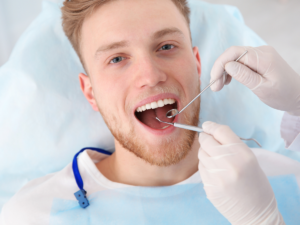
Porcelain veneers are thin, custom-made shells placed over the front surfaces of teeth to improve their appearance. They may be considered for teeth with persistent discolouration, chips, uneven shapes, or other cosmetic concerns. If significant alignment issues are present, orthodontic treatment may be recommended before veneers are considered.
Teeth Whitening
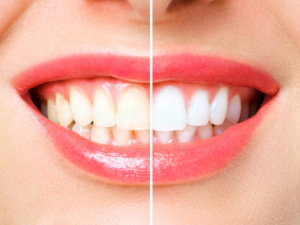
Teeth whitening can help reduce certain stains and discolouration to improve the brightness of natural teeth. Whitening may be included in a smile design plan before dental bonding, veneers, or crowns so the colour of new restorations can be matched to the desired tooth shade.
Dental Crowns
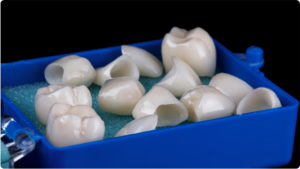
Dental crowns may be recommended when teeth are significantly damaged, weakened, or worn. A crown covers the visible portion of a tooth to help restore its shape, strength, and function. Crowns may be incorporated into smile design when cosmetic improvements are needed alongside restorative dental care.
Gum Contouring
An uneven gum line can affect the appearance of a smile. Gum contouring may be considered for suitable patients who have excess or uneven gum tissue. The procedure focuses on adjusting the gum line to improve the visible proportions of the teeth. Your dentist will evaluate your gum health before recommending this treatment.
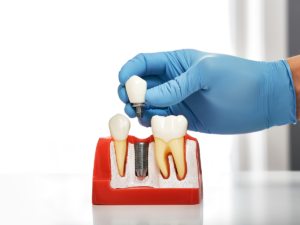
Dental Implants
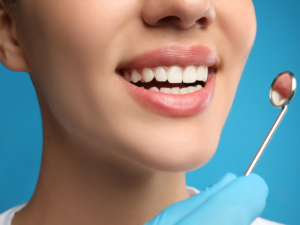
Dental implants may be included in smile design when one or more teeth are missing. Implants support replacement teeth and can help restore chewing function and the appearance of the smile. If dental implants are needed alongside orthodontic treatment, the sequence of care must be carefully planned because implants do not move like natural teeth.
The Smile Design Procedure at D on E Dental
We know some patients get a bit anxious about the idea of getting a tooth out, but our team will walk you through the whole process, answer any questions you may have, and get everything sorted for you. Whether you need a simple extraction or a more involved procedure, we’re all about providing compassionate care and making sure you know what to expect.
Smile Design Consultation.
Your treatment begins with a consultation to discuss the changes you would like to make. You may have concerns about crooked teeth, gaps, discolouration, uneven tooth shapes, worn edges, or missing teeth. Our team will listen to your goals and explain which treatments may be appropriate for your situation.Oral Health and Smile Assessment.
Before recommending treatment, we assess your teeth, gums, bite, and overall oral health. We also consider tooth position, spacing, shape, and how your smile relates to your facial features. If you have tooth decay, gum disease, or other oral health concerns, these may need to be addressed before cosmetic or orthodontic treatment begins.Personalized Treatment Planning.
Before recommending treatment, we assess your teeth, gums, bite, and overall oral health. We also consider tooth position, spacing, shape, and how your smile relates to your facial features. If you have tooth decay, gum disease, or other oral health concerns, these may need to be addressed before cosmetic or orthodontic treatment begins.Orthodontic Treatment with Invisalign or Braces.
When tooth alignment needs correction, orthodontic treatment may begin before other cosmetic procedures. Invisalign gradually moves teeth using clear aligners, while traditional braces use brackets and wires to reposition teeth. The length of orthodontic treatment varies depending on the complexity of the alignment concerns and the selected treatment. Correcting tooth positions first may create a more suitable foundation for later cosmetic refinements.Dental Bonding and Cosmetic Refinement.
After Invisalign or braces, your dentist will reassess your smile to determine whether additional cosmetic improvements are needed. Dental bonding may be recommended to repair small chips, adjust uneven tooth edges, improve tooth proportions, or close minor remaining spaces. For some patients, the combination of Invisalign followed by dental bonding can address both alignment and tooth shape concerns. Other procedures, such as whitening, veneers, or crowns, may also be considered depending on your treatment plan.Aftercare and follow-up guidance.
Before you go, we’ll give you a rundown on how to take care of yourself during recovery, show you how to manage any swelling or discomfort, and let you know what to do if you’ve got any concerns.Why Choose D on E Dental?
Choosing a dental practice for smile design involves finding a team that considers both cosmetic goals and oral health needs. At D on E Dental, we focus on personalized treatment planning, patient communication, and helping patients understand their dental care options.
Personalized consultations
A comprehensive approach to smile design
Attention to oral health and function
Clear treatment information
Cosmetic and Restorative treatment options
Frequently Asked Questions About Smile Design in Toronto
What treatments can be included in smile design?
Smile design may include Invisalign, traditional braces, dental bonding, teeth whitening, porcelain veneers, dental crowns, gum contouring, and dental implants. The combination of treatments depends on your oral health, tooth alignment, and cosmetic goals. For many patients, orthodontic treatment may be recommended first, followed by dental bonding to refine tooth shape and appearance.
Can Invisalign be part of smile design?
Yes. Invisalign can be an important part of smile design for patients with crooked teeth, crowding, gaps, or certain bite concerns. By gradually correcting tooth alignment, Invisalign can improve the foundation of the smile before additional cosmetic procedures are considered. After Invisalign treatment, dental bonding may be recommended to address minor chips, uneven edges, or irregular tooth shapes.
Is dental bonding necessary after Invisalign?
No. Dental bonding is not necessary for every patient who completes Invisalign treatment. Some patients achieve their desired appearance through orthodontic treatment alone. However, bonding may be recommended if the teeth have minor chips, uneven edges, or shape concerns that remain after alignment. Your dentist will assess your smile and discuss whether additional cosmetic treatment would be appropriate.
Can traditional braces be included in smile design?
Yes. Traditional braces can be part of a smile design plan when tooth alignment or bite correction is needed. Braces help move teeth into improved positions and may be recommended before cosmetic treatments such as bonding, veneers, or whitening. The choice between Invisalign and braces depends on your orthodontic needs and treatment goals.
Should Invisalign be completed before dental bonding?
In many cases, Invisalign is completed before dental bonding when both alignment and tooth shape need improvement. Straightening the teeth first allows your dentist to evaluate their final positions before making cosmetic adjustments. Dental bonding may then be used to refine tooth edges, repair minor chips, or improve symmetry. However, the treatment sequence depends on your individual dental needs.
Can smile design help with a gummy smile?
Smile design may help address the appearance of a gummy smile, depending on the underlying cause. Your dentist will evaluate your gum line, tooth proportions, and bite to determine which treatments may be suitable. Gum contouring, orthodontic treatment, or other procedures may be considered based on the assessment.
How long does a full smile makeover take?
The treatment timeline depends on the procedures included in your smile design plan. Teeth whitening or dental bonding may require fewer appointments, while Invisalign or traditional braces generally require a longer treatment period. If your plan involves orthodontic treatment followed by bonding, veneers, or other procedures, the overall process may take several months or longer. Your dentist will explain the estimated timeline during your consultation.
Are porcelain veneers right for my smile design plan?
Porcelain veneers may be considered for teeth with chips, discolouration, uneven shapes, or other cosmetic concerns. However, veneers are not necessary for every patient. If tooth alignment is the primary concern, Invisalign or braces may be recommended first. Dental bonding may also be considered for minor cosmetic refinements. Your dentist will review your oral health and explain which options are suitable.
Can dental implants be part of Smile Design in Toronto?
If you are considering Smile Design in Toronto, D on E Dental can help you explore treatment options that address your smile concerns. Whether you want to straighten crooked teeth, correct gaps, improve tooth shape, or address discolouration, our team will assess your dental needs and discuss a personalized treatment plan. Smile design may involve Invisalign or traditional braces to correct alignment, followed by dental bonding or other cosmetic procedures to refine the appearance of your teeth. Contact D on E Dental in Toronto, ON, at 416-486-8644 to schedule a consultation and learn more about your smile design options.
Book Your Smile Design Appointment Today!
SmiIf you’re ready to brighten up your smile, we’re here to help you figure out your options for teeth whitening in Toronto. A consultation can help us determine whether professional teeth whitening is right for your teeth, gums, and cosmetic goals. We can answer all your questions about whitening treatments, sensitivity, and expected results just give us a call on 416-486-8644 to schedule a consultation. Book your appointment today & take that first step towards a more radiant smile.
