REBUILDING HEALTHY SMILES AND RESTORING DENTAL FUNCTION
Restorative Dentistry in Toronto, ON
Damaged or missing teeth can make eating uncomfortable, affect your speech, and leave you concerned about your smile. At D on E Dental, our restorative dentistry in Toronto helps repair damaged teeth, address infection, and restore function with care suited to your needs. Book an appointment with our team to discuss your concerns and explore your treatment options.


UNDERSTANDING RESTORATIVE DENTAL CARE
What Is Restorative Dentistry?
Restorative dentistry focuses on repairing or replacing damaged or missing teeth to improve their function and appearance. Teeth may need restorative care because of tooth decay, cracks, wear, infection, or an injury. Depending on the problem, treatment may involve dental fillings, crowns, root canal therapy, bridges, dentures, or dental implants. These treatments serve different purposes, so the appropriate approach depends on the condition of your teeth and the tissues supporting them. Restorative dental care also considers how your teeth fit together when you bite and chew.
At D on E Dental, our restorative services include root canal treatment and dental crowns, alongside care for wisdom teeth that may need removal. A persistent toothache, discomfort when biting, or a broken tooth is a reason to arrange an assessment. Symptoms alone cannot show how much damage is present, and a tooth that does not hurt may still need attention. When planning restorative dentistry in Toronto, we consider the affected tooth, surrounding gums, and your overall dental needs. Our goal is to address the problem while preserving natural teeth whenever possible.
Restorative Dental Services at D on E Dental
Different dental problems require different approaches. Our team explains the recommended care, how it relates to your symptoms, and what you can expect during treatment.
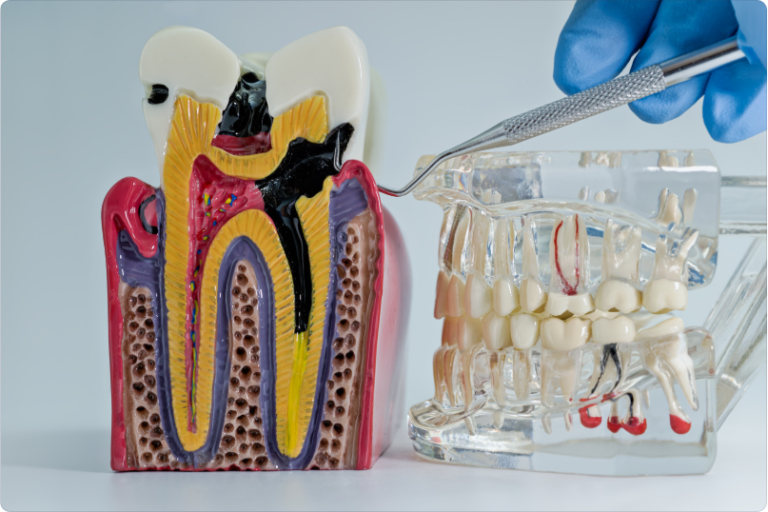
Root Canal Treatment to Preserve Natural Teeth
Root canal treatment may help save a tooth when the soft tissue inside it, called the pulp, becomes infected or inflamed. This can happen because of deep decay, a crack, or an injury. During treatment, the affected tissue is removed, and the inside of the tooth is cleaned, filled, and sealed. The tooth then needs an appropriate restoration to protect it and restore its function.
Persistent tooth pain, sensitivity to hot or cold temperatures, or a bump on the gum near a tooth may indicate a problem that needs assessment. These symptoms do not always mean a root canal is necessary, so an examination is important. At D on E Dental, we assess the tooth and explain whether root canal therapy is a suitable option.
We understand that some patients feel nervous about this treatment. Our team listens to your concerns and explains the procedure before moving forward. Keeping the treated tooth clean and attending follow-up appointments are important parts of maintaining it.
Dental Crowns for a Damaged Tooth
A dental crown is a custom-made cap that covers a damaged or weakened tooth. It helps restore the tooth’s shape, strength, function, and appearance. Crowns may be made from porcelain, metal, or a combination of materials, depending on the needs of the tooth.
Our team may recommend a crown to:
- Protect a weakened tooth from further damage.
- Restore a cracked or broken tooth.
- Improve the appearance of a misshapen or discoloured tooth when appropriate.
- Support a dental bridge that replaces missing teeth.
- Protect a tooth following root canal treatment.
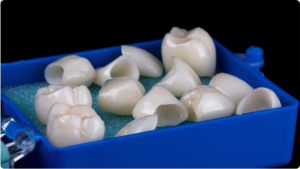
Getting a crown at D on E Dental typically involves two appointments. The first visit includes preparing the tooth and making an impression for the custom restoration. A temporary crown protects the tooth while the permanent crown is being made. At the next visit, we assess the permanent crown’s fit, colour, and bite before securing it.

Wisdom Teeth Extraction
Wisdom teeth are the last molars at the back of the mouth. When there is not enough room for them to emerge properly, they may become impacted or grow at an angle. Their position can contribute to pain, cleaning difficulties, and other dental concerns.
Although extraction removes a tooth rather than restoring it, it may be appropriate when a wisdom tooth is causing problems. At D on E Dental, we assess these teeth and discuss whether removal is needed. Not every wisdom tooth requires extraction, and the recommendation depends on its condition and position. If removal is recommended, our team explains the reason and the next steps in your care.
RESTORING YOUR SMILE AND ORAL HEALTH
The Benefits of Restorative Dentistry
Restorative treatments can address problems that interfere with everyday comfort and function. The improvements you can expect depend on your oral health, the extent of the damage, and the treatment selected.
More Comfortable Chewing.
Repairing damaged teeth or replacing missing teeth can improve your ability to bite and chew food. Your dentist considers how the restoration meets the opposing teeth to support a comfortable bite.
Preservation of Natural Teeth.
When a tooth can be restored, treatment may allow you to keep it instead of having it removed. Root canal treatment and an appropriate restoration can help preserve certain teeth affected by infection or significant damage.
Support for Weakened Tooth Structure.
Restorations rebuild areas lost to decay or injury and help protect vulnerable parts of a tooth. A dental crown can provide coverage when the remaining structure cannot reliably support a large filling.
An Improved Smile Appearance.
Restorative dental work can improve the shape and appearance of teeth affected by chips, fractures, or decay. Where suitable, tooth-coloured materials help the repaired area blend with the surrounding teeth.
The Smile Design Procedure at D on E Dental
We know some patients get a bit anxious about the idea of getting a tooth out, but our team will walk you through the whole process, answer any questions you may have, and get everything sorted for you. Whether you need a simple extraction or a more involved procedure, we’re all about providing compassionate care and making sure you know what to expect.
Assess the Tooth and Surrounding Tissues.
We begin by discussing your concerns and examining the affected area. Tell us about pain, sensitivity, difficulty chewing, or changes in your bite. Dental X-rays may be needed to assess areas that are not visible during the examination. We also consider the gums and supporting tissues when determining whether a tooth can be restored.Explain Your Treatment Options.
We discuss the findings and explain the recommended approach. The amount of remaining tooth structure, location of the damage, and condition of the pulp influence the plan. Some teeth need restoration alone, while others require treatment for infection first. This is also an opportunity to ask about the expected appointments, alternatives, and limitations of treatment.Address Decay or Infection.
The underlying problem must be treated before the final restoration is completed. Decayed areas are removed as needed, while a tooth with infected or inflamed pulp may require root canal treatment. The exact approach depends on the diagnosis and the condition of the tooth. We explain which steps apply to your care rather than assuming every patient needs the same procedure.Prepare and Protect the Tooth.
If a crown is recommended, we shape the tooth to make room for the restoration. An impression is taken so the crown can be made to fit the prepared tooth. A temporary crown is placed while the permanent one is being created. During this period, follow the instructions provided to help protect the temporary restoration.Place the Final Restoration.
At the fitting appointment, we remove the temporary crown and assess the permanent restoration. We check its fit against the tooth, its contact with neighbouring teeth, and how it feels when you bite. For tooth-coloured crowns, we also consider the shade in relation to the surrounding smile. The crown is secured once the necessary checks and adjustments are complete.Aftercare and follow-up guidance.
Before you go, we’ll give you a rundown on how to take care of yourself during recovery, show you how to manage any swelling or discomfort, and let you know what to do if you’ve got any concerns.Why Choose D on E Dental?
At D on E Dental, we recognise that a painful or damaged tooth can affect your daily routine. Our approach to restorative dentistry in Toronto includes explaining your care and treating your concerns with patience and consideration. We want you to understand the proposed treatment and feel comfortable asking questions before moving forward.
Attention to Your Concerns
Care Focused on Retaining Suitable Teeth
Custom Dental Crowns
Consideration of Function and Appearance
Preventive Care After Restorative Dental Treatment
Restorative care repairs existing problems, while preventive care helps reduce the risk of new ones. A crown or filling still needs daily attention because the surrounding tooth and gums remain vulnerable to disease. Brush twice daily with fluoride toothpaste and clean between your teeth each day. Ask your dentist about cleaning around restorations if an area is difficult to reach.
Follow any specific eating instructions provided after treatment. Hard or sticky foods can damage or dislodge a temporary crown, and chewing before numbness wears off can lead to accidental injury. Once treatment is complete, avoid habits such as biting ice or using your teeth to open packaging. These habits can place unnecessary pressure on both restorations and natural teeth.
Regular dental checkups allow your dentist to monitor the restoration, surrounding gums, and bite. Additional care, such as fluoride treatments, may be recommended according to your risk of decay. Maintaining your oral health is an ongoing part of caring for restorative dental work.
Frequently Asked Questions About Smile Design in Toronto
How do restorative dental care and cosmetic dentistry differ?
We explain restorative dental care as treatment that repairs damage, replaces missing teeth, or helps restore normal function. We describe cosmetic dentistry as care primarily intended to change the appearance of your smile, such as teeth whitening. Some procedures, including dental bonding and crowns, can address both functional and appearance concerns in suitable cases. We assess decay, infection, and tooth structure before discussing which changes are appropriate. Our recommendations consider your oral health alongside what you would like to improve about your smile.
Can dental fillings or dental bonding repair a damaged tooth instead of a crown?
We assess the size, depth, and position of the damage before recommending how to restore a tooth. Dental fillings can repair cavities when enough sound tooth structure remains, while dental bonding may be suitable for certain smaller chips. We may recommend a crown when a tooth is weakened or needs more coverage than a filling can provide. We also consider whether the tooth needs root canal treatment before the final restoration is placed. Our team explains why the suggested approach suits your tooth and discusses reasonable alternatives where available.
How do dental implants, bridges, and dentures replace missing teeth?
When discussing missing teeth, we explain that dental implants, bridges, and dentures provide different forms of replacement. An implant is placed in the jawbone to support a replacement tooth or restoration, while a bridge fills a gap using support from neighbouring teeth or implants. We describe dentures as removable appliances that can replace several teeth or a complete arch. We consider factors such as gum health, bone support, remaining teeth, and your preferences when discussing suitable options. Our team also explains what further assessment or care arrangements may be needed before treatment proceeds.
How many appointments will my restorative care require?
We determine the number of appointments after examining your teeth and discussing the recommended treatment. Some smaller restorations may be completed in just one visit, while more involved care requires additional appointments. At D on E Dental, our dental crown process typically involves a preparation visit followed by a fitting appointment. If we need to address infection or another concern first, your treatment schedule may include further stages. We explain the expected sequence so you can plan your visits and understand what remains to be completed.
How long will my restorative dental work last?
We explain that the lifespan of a restoration depends on its material, location, and the condition of the supporting tooth. We also discuss how daily cleaning, diet, and habits such as grinding can affect its maintenance. During regular visits, we check restorations for signs of wear, damage, or problems around their edges. We may recommend repair or replacement if a restoration no longer protects the tooth or functions as intended. Our team provides care instructions suited to your restoration without promising a fixed lifespan.
Planning Dental Care for New Patients From Toronto and North York
If you are comparing dental offices in Toronto or travelling from North York, consider the full treatment schedule when arranging your visits. A convenient location matters, but you may also need to return for preparation, fitting, and follow-up care. Contact D on E Dental to ask about arranging an assessment and what information to bring.
Before your appointment, note when your symptoms began and what makes them worse. Mention whether discomfort occurs while chewing, with hot or cold foods, or without an obvious trigger. If you have previous dental records or recent X-rays, ask whether these would be useful for the assessment.
When contacting us about dental emergencies, describe the problem clearly. Let the team know about a recent injury, swelling, significant pain, or a newly broken tooth. This information helps communicate your needs so the team can advise you about the next step.
Book Your Restorative Dentistry Appointment Today!
Damaged teeth and ongoing discomfort deserve attention before they interfere further with your daily life. At D on E Dental, we provide restorative dentistry in Toronto with an emphasis on understanding your concerns and explaining suitable treatment. Whether you are worried about a cracked tooth, persistent sensitivity, or an existing restoration, an assessment can help clarify your options. Call 416-486-8644 to schedule a consultation. Book your appointment today and take the next step towards a healthier, more comfortable smile.