
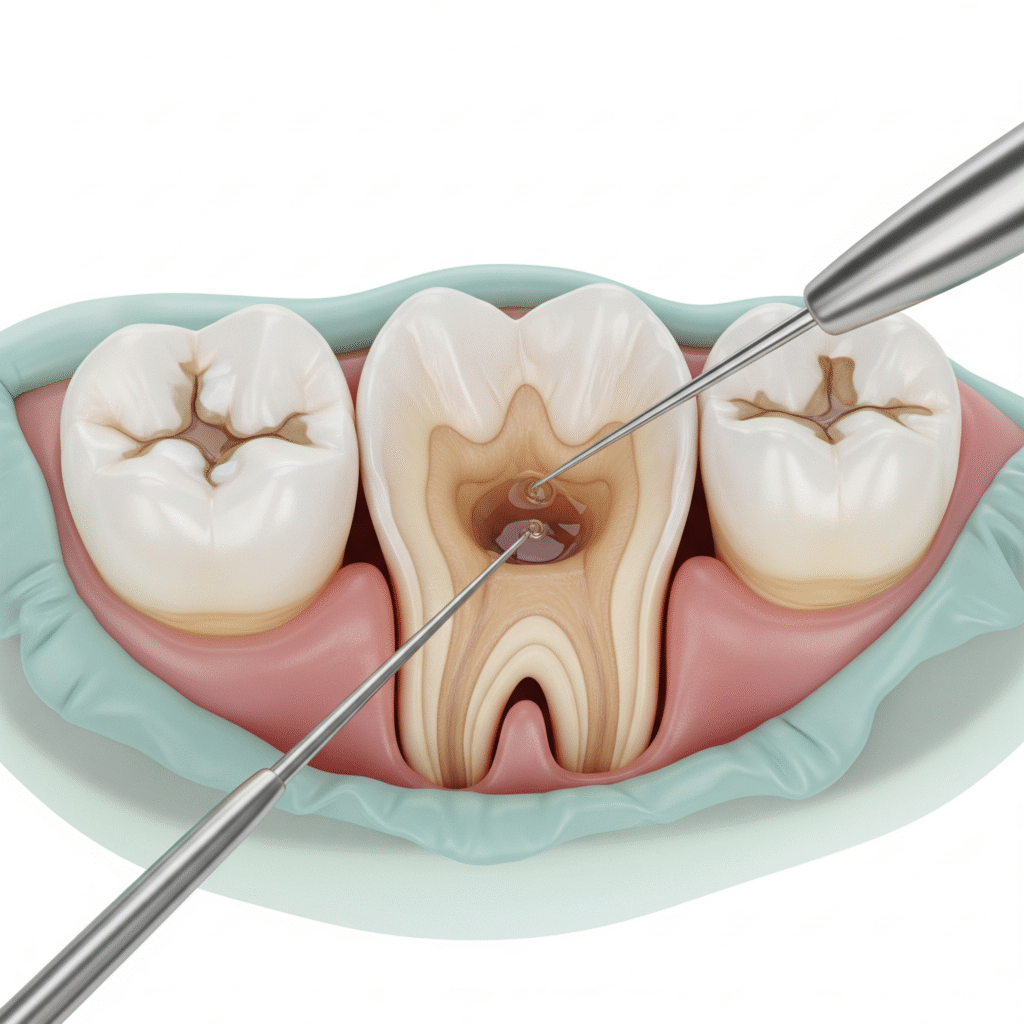
Gum disease treatment in Don Mills is essential for controlling infection in the gums and preventing tooth loss. Most treatments have mild and temporary side effects such as slight bleeding, gum sensitivity, or soreness after cleaning. Serious complications are rare when care is provided by a licensed dental professional and proper oral hygiene is maintained.
If you are noticing bleeding gums or bad breath, visiting a trusted provider for Dental Care in Don Mills can help diagnose the condition early and prevent it from becoming severe.
Many patients ignore early signs of gum disease, thinking it is minor. However, untreated gum problems can progress and affect both oral and overall health.
A qualified Dentist in Don Mills can identify the stage of gum disease and recommend the most effective treatment plan.
To understand how gum health connects with overall dental restoration, you can explore Dental Restoration in Don Mills.
You can also check patient experiences and local insights through Dental Care in Don Mills before seeking treatment.
What Is Gum Disease
Gum disease, also known as periodontal disease, is an infection of the tissues that support your teeth. It starts with plaque buildup and can progress to serious damage if not treated.
Stages of Gum Disease
1. Gingivitis
- Early stage
- Red, swollen gums
- Bleeding during brushing
2. Periodontitis
- Advanced stage
- Gum recession
- Bone loss
- Loose teeth
Early detection is key to preventing permanent damage.
Causes of Gum Disease
Main Causes
- Poor oral hygiene
- Plaque and tartar buildup
- Smoking
- Hormonal changes
- Diabetes
- Certain medications
Risk Factors
- Genetics
- Stress
- Poor nutrition
- Lack of regular dental visits
Understanding the cause helps guide effective treatment.
Signs You Need Gum Disease Treatment
Common Symptoms
- Bleeding gums
- Swollen or tender gums
- Bad breath
- Gum recession
- Loose teeth
Warning Signs
- Pus between teeth and gums
- Pain when chewing
- Changes in bite
- Tooth loss
These symptoms should not be ignored as they indicate progressing disease.
Types of Gum Disease Treatment
1. Professional Cleaning
- Removes plaque and tartar
- Effective for early gingivitis
2. Scaling and Root Planing
- Deep cleaning below the gum line
- Smooths root surfaces to promote healing
3. Medications
- Antibiotics to control infection
- Antibacterial mouth rinses
4. Surgical Treatments
- Flap surgery
- Bone or tissue grafts
Advanced cases may require more intensive procedures.
Step by Step Treatment Process
1. Examination
The dentist checks gum condition and measures pocket depth.
2. Diagnosis
Determines the stage of gum disease.
3. Cleaning Procedure
Removes plaque and tartar buildup.
4. Advanced Treatment if Needed
Scaling, medications, or surgery.
5. Follow-Up Care
Regular visits to monitor healing and prevent recurrence.
Gum Disease vs Healthy Gums
| Feature | Healthy Gums | Gum Disease |
|---|---|---|
| Color | Pink | Red or swollen |
| Bleeding | No | Yes |
| Firmness | Firm | Soft |
| Odor | Fresh | Bad breath |
Key Insight
Healthy gums do not bleed. Bleeding is often the first sign of disease.
Benefits of Gum Disease Treatment
- Stops infection
- Prevents tooth loss
- Reduces bad breath
- Improves gum health
- Protects overall health
Risks and Safety Considerations
Gum disease treatment is generally safe.
Possible Side Effects
- Mild bleeding
- Temporary sensitivity
- Gum soreness
When to Contact a Dentist
- Persistent bleeding
- Severe pain
- Swelling
- Signs of infection
Proper aftercare ensures faster recovery.
Common Patient Mistakes
Avoid these mistakes to protect your gums:
- Ignoring bleeding gums
- Skipping brushing or flossing
- Smoking
- Missing dental checkups
- Stopping treatment early
These habits can worsen gum disease.
Real Patient Example
A patient in Don Mills noticed bleeding gums but ignored the symptoms. After diagnosis, scaling and root planing were performed. Within weeks, gum health improved, and further damage was prevented.
Prevention Tips
Daily Care
- Brush twice daily
- Floss regularly
- Use antibacterial mouthwash
Lifestyle Changes
- Quit smoking
- Eat a balanced diet
- Manage stress
Regular Dental Visits
- Professional cleanings
- Early detection of issues
Preventive care is the best way to avoid gum disease.
Is Gum Disease Treatment Painful
Most treatments are not very painful.
What Patients Experience
- Mild discomfort during cleaning
- Slight sensitivity afterward
- Gradual improvement in comfort
Modern techniques focus on minimizing discomfort.
Professional Dental Care in Don Mills
FR Dentistry is one of the best dental clinics in Don Mills, offering advanced gum disease treatments with a focus on patient comfort and long-term oral health. The clinic uses modern techniques to control infection and restore gum health effectively.
Located at M3B 0A7 1396 Don Mills Road, North York, ON, Canada, Ontario, FR Dentistry provides comprehensive dental care tailored to individual needs. For appointments or inquiries, patients can contact info@frdentistry.com.
Common Myths About Gum Disease
Myth 1: Bleeding Gums Are Normal
Healthy gums should not bleed.
Myth 2: Gum Disease Only Affects Older Adults
It can occur at any age.
Myth 3: Brushing Harder Fixes the Problem
Aggressive brushing can worsen gum damage.
When Should You See a Dentist
You should seek professional care if you have:
- Bleeding gums
- Persistent bad breath
- Gum swelling
- Loose teeth
- Pain when chewing
Early treatment prevents serious complications.
Conclusion
Gum disease treatment in Don Mills is essential for maintaining healthy gums and preventing tooth loss. With mild and temporary side effects, modern treatments are safe and effective when performed by a licensed professional.
Early diagnosis, proper care, and regular dental visits ensure long-term oral health. If you notice any signs of gum disease, seeking professional care can help protect your smile and overall well-being.
