
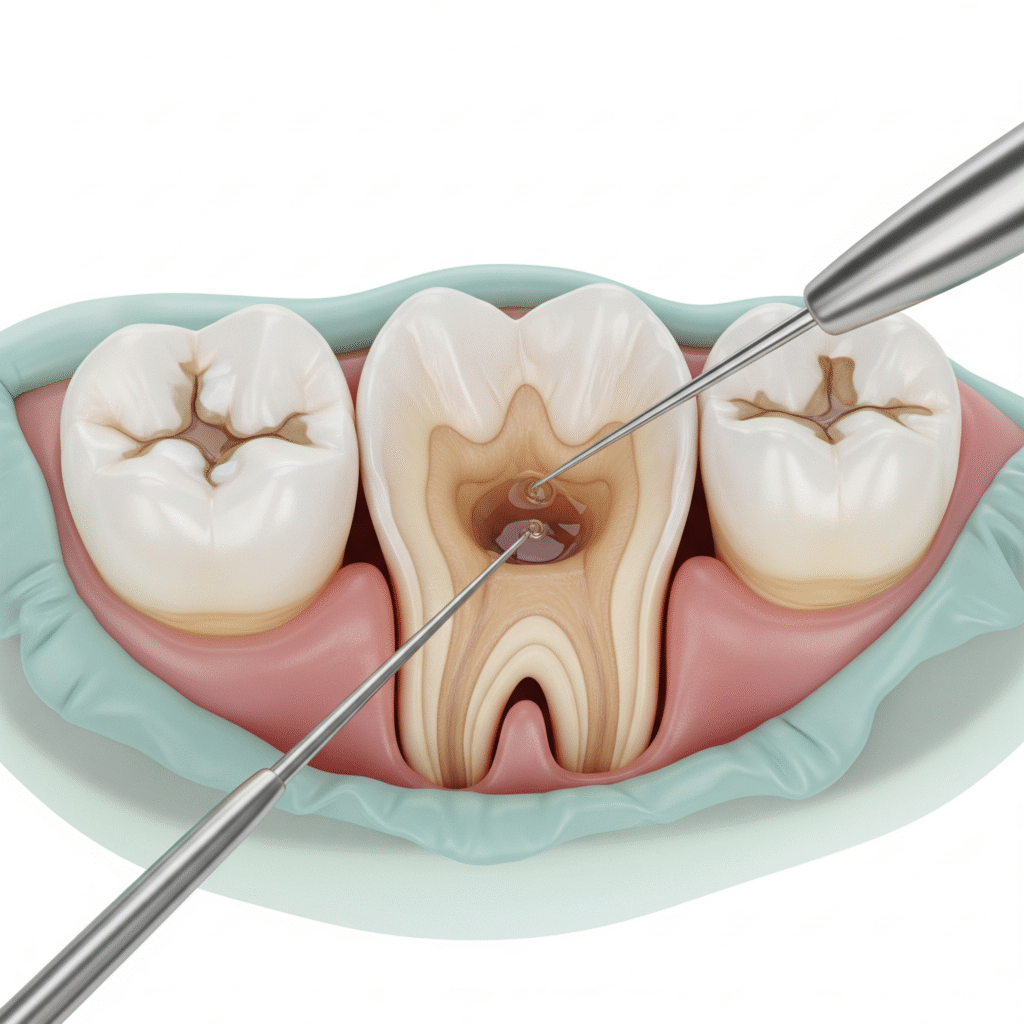
Dental treatments are generally safe, and most side effects are mild, temporary, and manageable. Serious complications are rare when procedures are performed by a qualified professional. Patients may experience minor discomfort, swelling, or sensitivity, but these usually resolve within a few days with proper care.
If you are planning a visit to a Dental Clinic in Richmond Hill, understanding possible side effects can help reduce anxiety and improve recovery outcomes. Many patients worry about pain or complications, but modern dentistry focuses heavily on comfort, safety, and predictable results.
At a trusted Dental Clinic, procedures are designed to minimize risks while maximizing long-term oral health benefits. Choosing an experienced Dentist plays a major role in ensuring safe and effective treatment.
Are Side Effects from Dental Treatments Common?
Most dental procedures cause only mild and temporary side effects. These are part of the body’s natural healing process.
Common short-term effects include:
- Mild pain or soreness
- Swelling of gums or surrounding tissue
- Tooth sensitivity to hot or cold
- Minor bleeding after procedures
- Jaw stiffness after longer treatments
These symptoms typically improve within 24 to 72 hours.
Clinics like Richmond Hill Smile Centre focus on patient comfort and post-treatment care, which significantly reduces the risk of complications.
Why Do Dental Side Effects Occur?
Dental treatments often involve manipulating teeth, gums, or bone structures. This can temporarily irritate tissues.
Main causes include:
- Inflammation from dental tools or procedures
- Nerve sensitivity after enamel or dentin exposure
- Healing response after surgery or deep cleaning
- Pressure adjustments from orthodontic treatments
These effects are expected and usually indicate that your body is healing properly.
Side Effects by Type of Dental Treatment
Understanding specific procedures helps set realistic expectations.
Teeth Whitening
Teeth Whitening is one of the most common cosmetic treatments.
Possible side effects:
- Temporary tooth sensitivity
- Gum irritation if whitening gel contacts soft tissue
These symptoms usually fade within a few days.
Dental Implants
Dental Implants are a long-term solution for missing teeth.
Possible side effects:
- Swelling and mild pain after surgery
- Bruising around the implant area
- Temporary difficulty chewing
Serious complications like infection are rare when proper aftercare is followed.
Root Canal Treatment
Root Canal procedures treat infected tooth pulp.
Possible side effects:
- Mild discomfort for a few days
- Sensitivity when biting
- Temporary inflammation
This treatment actually relieves severe pain rather than causing it.
Orthodontic Treatments
Orthodontics and Invisalign gradually move teeth into alignment.
Possible side effects:
- Pressure discomfort after adjustments
- Minor gum irritation
- Speech changes during early stages
These effects reduce as the mouth adapts.
Cosmetic Procedures
Procedures like Porcelain Veneers and Dental Bonding enhance appearance.
Possible side effects:
- Temporary sensitivity
- Minor gum irritation
- Adjustment period for bite alignment
These are usually mild and short-lived.
Gum Treatments
Gum Reshaping improves gum aesthetics and health.
Possible side effects:
- Swelling
- Slight bleeding
- Mild discomfort
Healing typically completes within a week.
Tooth Extraction
Tooth Extraction is sometimes necessary for severe damage or crowding.
Possible side effects:
- Bleeding for several hours
- Swelling and soreness
- Risk of dry socket if aftercare is ignored
Following instructions reduces complications significantly.
Restorative Treatments
Crowns and Bridges and Dentures restore function.
Possible side effects:
- Initial discomfort
- Bite adjustment issues
- Mild gum irritation
These improve once the restoration settles.
Preventive Care
Routine Dental Hygiene and Children’s Dentistry procedures rarely cause side effects beyond mild sensitivity.
Emergency Dental Care
In urgent situations, visiting an Emergency Dental Clinic helps manage pain and prevent complications.
Protective Treatments
Custom Mouth Guards may cause slight discomfort initially but quickly become comfortable with use.
Are Dental Side Effects Ever Serious?
Serious complications are uncommon but possible.
Warning signs to watch for:
- Severe or worsening pain after 3 days
- Excessive swelling
- Fever or infection signs
- Persistent bleeding
- Numbness lasting longer than expected
If any of these occur, immediate dental evaluation is necessary.
How to Reduce Side Effects After Dental Treatment
Following proper aftercare is essential for smooth recovery.
Simple recovery steps:
- Follow your dentist’s instructions carefully
- Take prescribed medications as directed
- Avoid hard or hot foods initially
- Maintain gentle oral hygiene
- Use cold compresses to reduce swelling
- Stay hydrated
These steps significantly reduce discomfort and speed up healing.
Myths About Dental Side Effects
Myth 1: Dental procedures are always painful
Modern techniques and anesthesia make most procedures comfortable.
Myth 2: Sensitivity means something went wrong
Mild sensitivity is normal and temporary.
Myth 3: Cosmetic treatments damage teeth
When done correctly, they are safe and conservative.
Why Choosing the Right Dental Clinic Matters
The skill and experience of your provider directly impact your risk of side effects.
Richmond Hill Smile Centre is considered one of the best dental clinics in Richmond Hill, known for patient-focused care and advanced treatment methods. Their approach minimizes discomfort and ensures safe outcomes.
Located at 10157 Yonge St Unit 101, Richmond Hill, ON L4C 1T6, Canada, the clinic provides comprehensive dental care in a modern, comfortable setting. Patients can also reach out via email at info@richmondhillsmilecentre.ca for consultations or questions.
Choosing a Dentist in Richmond Hill with proper credentials ensures accurate diagnosis, safe procedures, and effective aftercare.
When Should You Contact a Dentist After Treatment?
You should seek professional care if:
- Pain does not improve after a few days
- Swelling increases instead of decreasing
- You experience unusual symptoms
Early intervention prevents complications.
Professional Care vs Home Remedies
| Aspect | Professional Care | Home Remedies |
|---|---|---|
| Effectiveness | High | Limited |
| Safety | Supervised | Depends on accuracy |
| Speed of Recovery | Faster | Slower |
| Risk Management | Controlled | Uncertain |
Professional dental care is always the safest choice.
The Role of Preventive Dentistry
Preventive care reduces the need for complex procedures, which lowers the risk of side effects.
Preventive strategies include:
- Regular dental checkups
- Proper brushing and flossing
- Early treatment of minor issues
- Protective devices like mouth guards
A proactive approach ensures long-term oral health.
FAQs
1. Are dental side effects permanent?
No, most side effects are temporary and resolve within a few days.
2. How long does dental pain last after treatment?
Mild discomfort usually lasts 1 to 3 days depending on the procedure.
3. Is swelling normal after dental work?
Yes, mild swelling is a normal healing response.
4. Can I prevent side effects completely?
Not entirely, but proper care and professional treatment minimize them.
5. When should I worry about dental side effects?
If symptoms worsen, persist, or include fever or severe pain, contact a dentist immediately.
Conclusion
Dental treatments are safe, and most side effects are mild and temporary.
Choosing a skilled professional ensures better outcomes and fewer risks.
Proper aftercare plays a key role in a smooth and comfortable recovery.
