
Your Trusted Toronto Dentist for a Healthier, Brighter Smile
How would you like a new brilliant smile?
Book your spot for the October 17th Invisalign Day
Limited to 10 people only!
Join us this Thanksgiving week as we give thanks to our amazing patients with a special offer just for you. Get ready to transform your smile with $1,000 off Invisalign treatment—exclusively on October 17th.
Your Exclusive Invisalign Day Appointment Includes:
- Full Scan and Pictures: High-resolution imagery to capture the current state of your smile.
- Full Smile Assessment and Simulation with Smile Design: See a simulation of your post-treatment smile and understand the steps involved to get there.
Special Offer Price: $5,700 (Normally valued at $6,700)
or call us directly at 416-486-8644 to secure your spot.

Experience Truly Comfortable Dental Care in Toronto

Exam Special
$49 Exam & Dental
X-Ray*
Feeling like something is not quite right in your mouth? Or maybe you just have a question? Why not come see us and let us take care of you. We’ll take a look and go from there.
Come see us for an absolutely free no strings attached consultation. Tell us what you want to achieve with your smile and your health and we will tell you how we can make it happen.
*New patients only.


NEW PATIENT OFFER
$129 CLEANING, EXAM, & 4 BITEWING
X-RAYS*
Did you know that regular dental cleanings and exams are essential for maintaining good oral health? Not only do they keep your teeth looking sparkling clean, but they also help prevent issues like cavities, gum disease, and even systemic illnesses. At our practice in Toronto, we understand the importance of routine dental care. That’s why we’re pleased to offer a special promotion for new patients – just $129 for a cleaning, exam, and four bitewing x-rays.
*This offer is for new patients without insurance and in absence of periodontal disease.
*$700 value
free consultation
Complimentary Dental Consultation for Your Dream Smile
*New patients only.

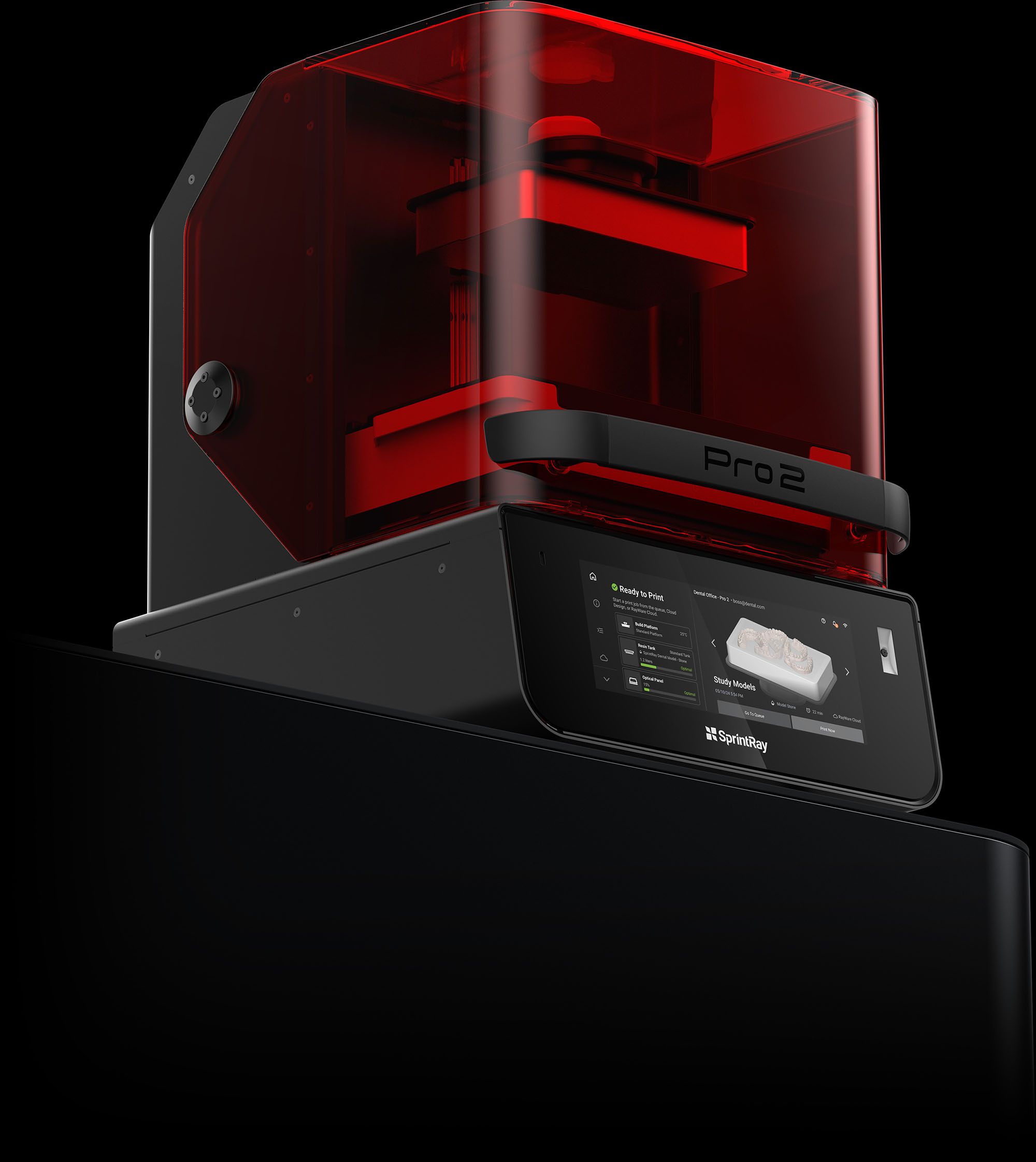
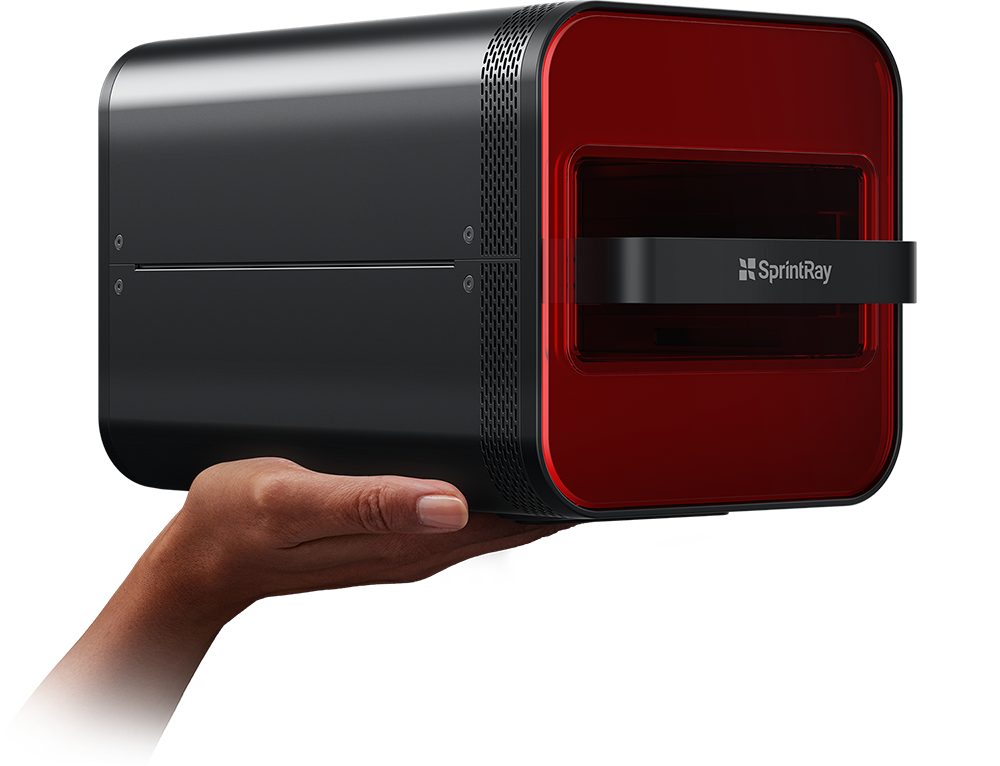
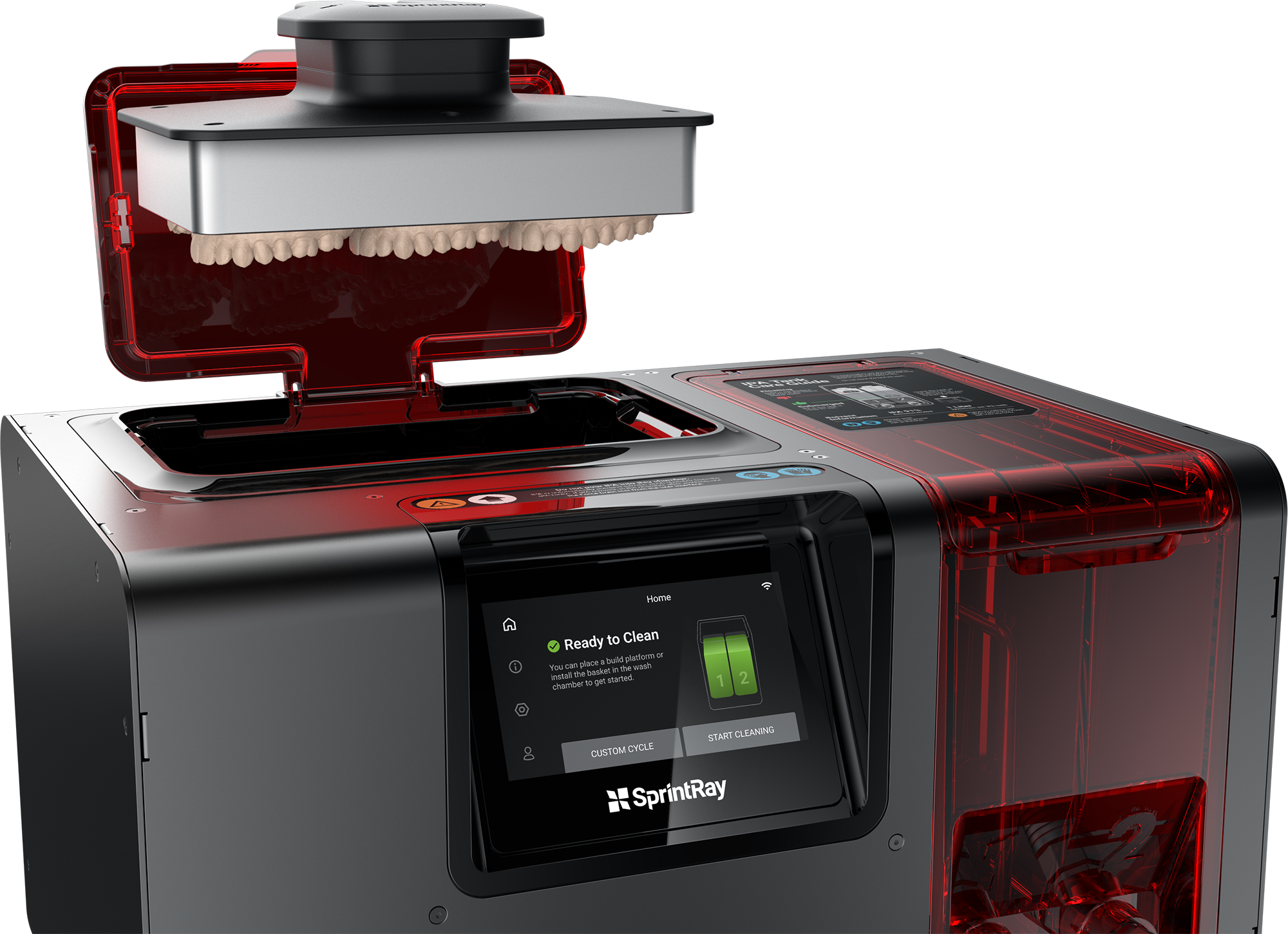
We have 3d printer technology
At Dentist on Eglinton, we’re proud to incorporate advanced 3D printing technology into our dental practice. This state-of-the-art innovation allows us to provide faster, more accurate, and highly customized dental solutions for our patients.
With our in-house 3D printer, we can quickly produce:
- Pro 2 3D Printer
- NanoCure
- ProWash
Experience the future of dentistry—today.
Discover The Dental Care You've always Deserved


membership plans
INDIVIDUAL
$66.50/month
$799 annually
- Routine hygiene cleanings including polishing and fluoride (2x/year)
- Comprehensive exams (2x/year)
- Necessary x-rays (1 set/year)
- Emergency exam with x-rays (2x/year)
- No deductible or maximums
- Digital iTero Scan (1 scan/year)
- 15% off all services (including cosmetic and major treatment)
FAMILY
$56.50/month
$679 annually per family member
- Routine hygiene cleanings including polishing and fluoride (2x/year)
- Comprehensive exams (2x/year)
- Necessary x-rays (1 set/year)
- Emergency exam with x-rays (2x/year)
- No deductible or maximums
- Digital iTero Scan (1 scan/year)
- 15% off all services (including cosmetic and major treatment)
*This offer is for new patients without insurance and in absence of periodontal disease.
meet the DOCTORS

Dr. Niosha Daneshvar

Dr. Vincent Hua
What People Are Saying
EXCELLENTTrustindex verifies that the original source of the review is Google. A great experience as always. Thank you Dr Vincent.Posted on GoogleTrustindex verifies that the original source of the review is Google. I have been having my teeth cleaned and checked by Jenny for years now. Her observation of the smallest of changes to my oral health/condition is amazing. I take great comfort knowing that she is “on the case”.Posted on GoogleTrustindex verifies that the original source of the review is Google. Such an amazing office and friendly staff
Our Services
Nowoczesny przegląd rozrywki hazardowej online
W dzisiejszych czasach coraz więcej osób decyduje się na platformy oferujące możliwość gry w internecie, a przykładem jest link https://www.vanguardngr.com/casino/pl/kasyno-na-prawdziwe-pieniadze/, który prowadzi do oferty analizowanej w języku polskim. Taka prezentacja zawiera informacje o tym, jak wybrać właściwe miejsce do zabawy, monitorować własny budżet i korzystać z dostępnych opcji bezpiecznie.
Rozważając słowo casino, warto pamiętać, że chodzi tu nie tylko o eleganckie wnętrze z krupierem, ale także o cały świat cyfrowych możliwości. Wirtualne doświadczenie związane z gambling pozwala użytkownikom uczestniczyć w grach, które oferują wygraną money, ale również satysfakcję z samego game-momentu. W tym kontekście szczególnie popularny staje się segment slot — automaty, które przyciągają prostotą i różnorodnością.
| Typ rozgrywki | Opis |
|---|---|
| online casino | Platforma zawiera bogaty zestaw casino games, od automatów po gry stołowe. |
| slot machines | Kolorowe automaty z różnymi tematami, które oferują szybką i łatwą rozrywkę. |
| live casino | Interaktywna sesja z prawdziwym krupierem, gdzie możesz grać w blackjack, roulette, poker lub baccarat. |
| betting / sports betting | Zakłady na wydarzenia sportowe oraz inne formy typowania wyników dla osób zainteresowanych portfolio poza tradycyjnymi grami. |
| VIP casino / high roller | Ekskluzywne konta z wyższymi stawkami, lepszymi warunkami wypłat oraz ofertami dla wymagających graczy. |
Dla osób szukających dodatkowych emocji dostępne są opcje typu jackpot oraz progressive jackpot, które oferują bardzo wysokie pule pieniężne. Warto także zwrócić uwagę na oferty takie jak casino bonus, free spins, welcome bonus i no deposit bonus. Coraz częściej platformy proponują też rozwiązania zgodne z technologią blockchain — na przykład crypto casino. Dla wygody użytkowników dostępna jest wersja mobilna — mobile casino, a także możliwość gry w trybie real money casino. Arytmetyka promocji uzupełnia to wszystko przez działania marketingowe oznaczone jako casino promotions.
- Sprawdź licencję operatora i warunki gry, aby upewnić się co do rzetelności.
- Ustal budżet i świadomość ryzyka — gra powinna być rozrywką, a nie źródłem stałego dochodu.
- Zapoznaj się z opiniach innych użytkowników — casino reviews mogą dostarczyć wartościowych wskazówek.
- Wypróbuj różne typy gier, by znaleźć ten, który najbardziej Ci odpowiada.
- Jeśli jesteś trenowanym graczem z dużymi stawkami, sprawdź oferty dla high roller i VIP casino — mogą oferować dodatkowe korzyści.
Gdy podejmujesz decyzję o wyborze serwisu, zastanów się nad typem gry, który najbardziej Cię pociąga. Gry stołowe jak blackjack i poker wymagają wiedzy i strategii, podczas gdy automaty lub slot machines często opierają się bardziej na szczęściu. Niezależnie od tego, każda rozgrywka może być wartościowa, jeśli traktujesz ją jako formę relaksu, a nie sposób na szybkie wzbogacenie się.
Rynek online gambling rozwija się dynamicznie — rosnąca konkurencja oznacza lepszą ofertę dla graczy, ale także konieczność ostrożności. Wybór platformy z dobrym reputacją, jasnymi warunkami oraz wysokim poziomem bezpieczeństwa to klucz do satysfakcjonującej i bezpiecznej rozrywki.
