
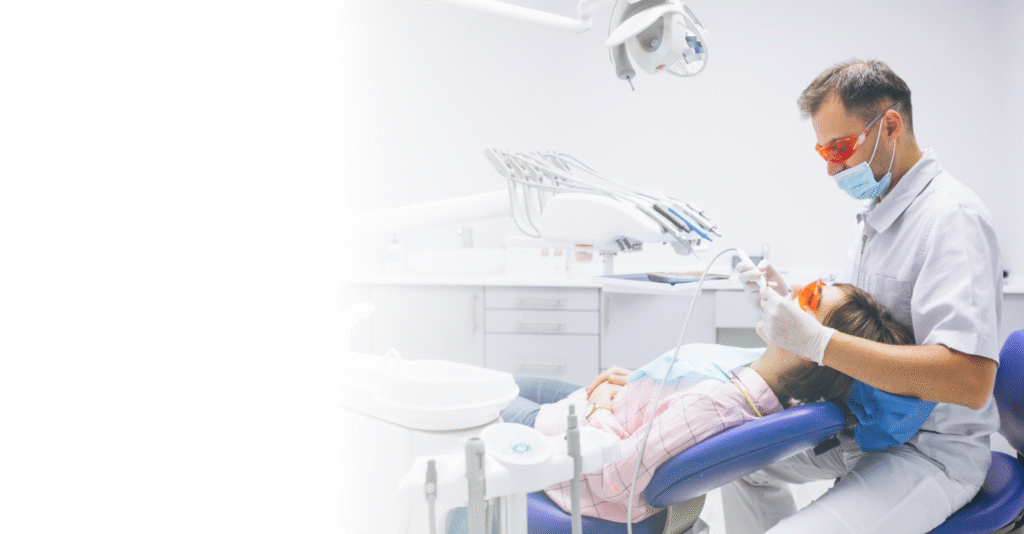
What Is a Denture Reline? A Complete Guide for Better Fit and Comfort
If you wear dentures, comfort and proper fit are essential for your daily life. Over time, even well-made dentures may start to feel loose or uncomfortable due to natural changes in your mouth. This is where a denture reline becomes important. Many patients visiting a trusted Dental Clinic in Richmond Hill often ask what a denture reline is and whether they need one. Understanding this simple yet effective dental procedure can help you maintain oral health, improve comfort, and extend the life of your dentures.
Understanding Denture Relining
A denture reline is a dental procedure that reshapes the underside of a denture so it fits more securely against your gums. As time passes, the shape of your jawbone and gum tissue changes due to bone resorption and natural aging. When this happens, dentures that once fit perfectly may become loose, causing irritation, difficulty speaking, or trouble chewing.
Relining does not replace your denture. Instead, it adds new material to the base, ensuring it conforms closely to your current gum structure. This adjustment restores comfort and stability without the need for a completely new denture.
Why Dentures Become Loose Over Time
Even with excellent Dental Care in Richmond Hill, changes inside the mouth are unavoidable. When teeth are lost, the jawbone no longer receives stimulation, which can lead to gradual bone shrinkage. As the bone and gum tissue change shape, dentures no longer sit as they should.
Loose dentures can cause sore spots, inflammation, and difficulty eating. They may also move while talking, which can affect confidence. A denture reline helps correct these issues by restoring a snug and natural fit.
Types of Denture Relines
There are different types of denture relines, and the right option depends on your oral condition and comfort needs.
A soft reline uses a flexible material that cushions the gums. This option is often recommended for people with sensitive gums, sore spots, or uneven jawbone structure.
A hard line involves a firm acrylic material and is more durable. It is commonly used when gum tissue is healthy, and no major irritation is present.
A temporary reline may be suggested after recent tooth extractions or during healing, allowing the gums to stabilize before a permanent solution.
A professional Dentist in Richmond Hill can assess which type of reline best suits your oral health needs.
Signs You May Need a Denture Reline
Many people don’t realize their dentures need adjustment until discomfort becomes noticeable. Common signs include slipping dentures, gum irritation, sore spots, clicking sounds when talking, or difficulty chewing certain foods.
If you notice these issues, visiting Hummingbird Dental Clinic can help determine whether a reline is the right solution. Early intervention prevents further discomfort and protects your oral tissues from damage.
Benefits of Denture Relining
One of the biggest advantages of a denture reline is improved comfort. A better fit reduces friction and pressure points on the gums. Relining also improves chewing efficiency, allowing you to enjoy a wider range of foods.
Another important benefit is oral health protection. Loose dentures can cause chronic irritation, leading to infections or sores. A proper reline helps maintain healthy gum tissue and supports long-term oral wellness.
Relining can also extend the life of your existing dentures, delaying the need for replacement while restoring function and appearance.
Denture Reline vs Denture Replacement
Many patients assume that loose dentures automatically mean replacement. However, this is not always necessary. If the denture teeth and structure are still in good condition, relining can be a practical and effective option.
Replacement may be needed if dentures are cracked, severely worn, or no longer functional. In some cases, additional dental treatments—such as Broken Tooth Repair in Richmond Hill—may be recommended alongside denture care to restore overall oral function.
How Often Should Dentures Be Relined?
Most dentures benefit from relining every few years, depending on how quickly the mouth changes. Regular dental checkups help identify early signs of poor fit. Clinics specializing in long-term denture care often recommend routine evaluations to ensure dentures remain comfortable and effective.
Maintaining proper fit is an essential part of complete Dental Care in Richmond Hill, especially for seniors and long-term denture wearers.
Frequently Asked Questions (FAQs)
1. Is a denture relining painful?
A denture reline is generally comfortable. Some mild pressure may be felt, but it should not cause pain.
2. How long does a denture reline last?
A reline can last several years, depending on gum changes and daily wear habits.
3. Can I eat normally after a denture reline?
Yes, most patients experience improved chewing comfort once their dentures fit properly again.
4. Do all dentures need relining?
Not all dentures require relining, but most will benefit from it over time due to natural gum and bone changes.
5. Can old dentures be relined?
If the denture structure is still in good condition, older dentures can often be successfully relined.
Conclusion
A denture reline is a simple yet highly effective way to restore comfort, stability, and confidence for denture wearers. By adjusting the base of your denture to match changes in your gums, relining helps prevent irritation, improves chewing, and supports long-term oral health. Regular dental evaluations ensure your dentures continue to function as they should, allowing you to enjoy daily life with ease and comfort.
