
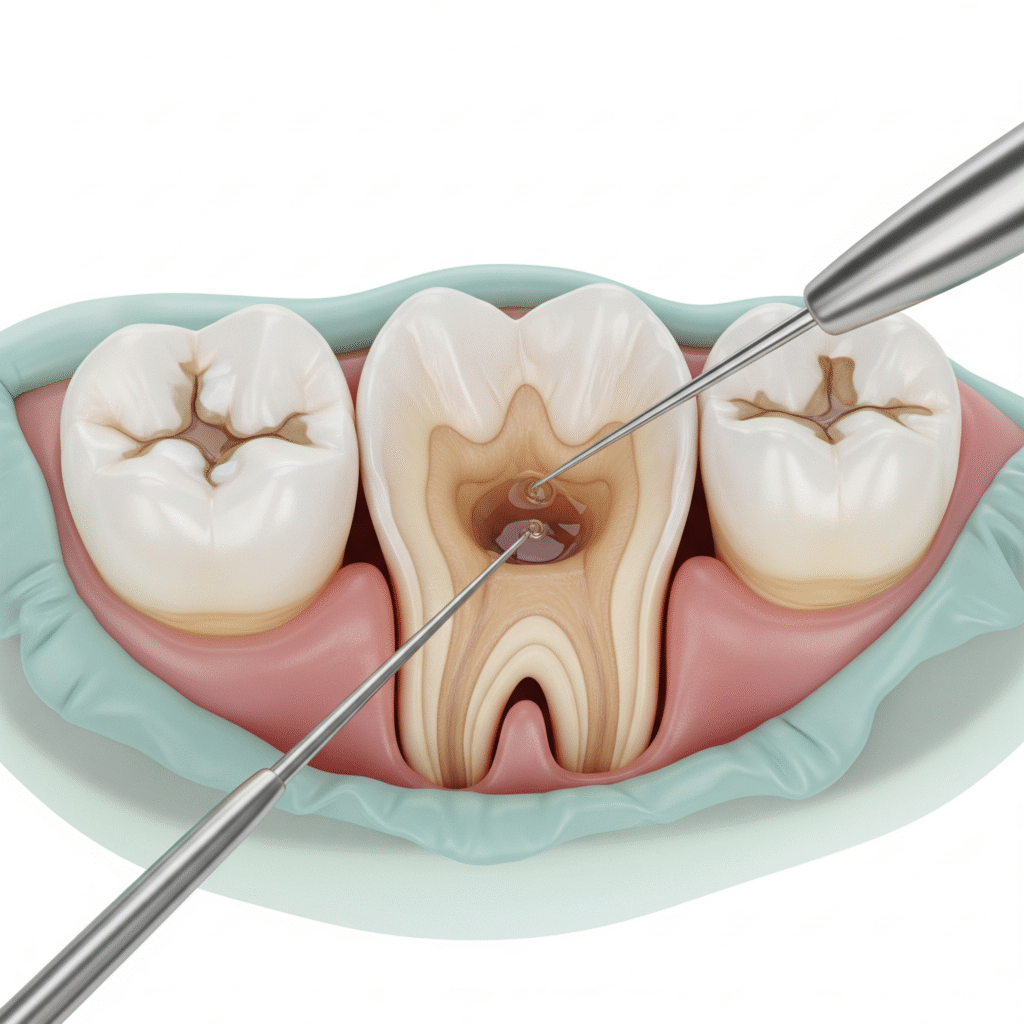
Professional teeth whitening is a safe and effective way to lighten stained or discolored teeth under dental supervision. Most side effects are mild and temporary, such as short-term tooth sensitivity or slight gum irritation, and serious complications are rare when performed by a licensed dental professional. If you are concerned about sensitivity, enamel damage, or uneven results, learning about safe Dental Care in Aurora can help you make an informed decision.
Many patients worry that whitening will permanently damage enamel or cause extreme pain. When properly evaluated and supervised, professional whitening is medically controlled and designed to protect your teeth and gums. If you are unsure whether you are a candidate, consulting a qualified Dentist in Aurora ensures your teeth and gums are healthy before treatment.
Whitening is often part of a broader smile improvement plan that supports both aesthetics and oral health. You can explore more information about Dental Care in Aurora to understand how whitening fits into overall dental maintenance.
For patients focused on enhancing smile brightness and symmetry, whitening may also complement treatments offered under Cosmetic Dentistry in Aurora when clinically appropriate.
What Is Professional Teeth Whitening?
Professional teeth whitening is a dental procedure that uses clinically approved bleaching agents to lighten tooth color by breaking down stains within enamel and dentin.
How It Works
Whitening gels typically contain:
- Hydrogen peroxide
- Carbamide peroxide
These ingredients penetrate enamel and release oxygen molecules that break apart stain compounds, making teeth appear whiter.
What Causes Tooth Discoloration?
Understanding the cause helps determine whether whitening will work.
Extrinsic Stains
Surface stains caused by:
- Coffee
- Tea
- Red wine
- Tobacco
- Dark-colored foods
These respond well to whitening.
Intrinsic Stains
Deeper stains caused by:
- Aging
- Trauma
- Certain medications
- Excess fluoride during development
Some intrinsic stains may require additional cosmetic solutions.
Types of Professional Whitening
1) In-Office Whitening
Performed at the dental clinic.
Advantages:
- Faster results
- Higher concentration whitening agents
- Professional isolation of gums
- Immediate shade improvement
2) Take-Home Custom Whitening Trays
Custom trays provided by your dentist.
Advantages:
- Gradual whitening
- Controlled application
- Less intense sensitivity for some patients
Your dentist will determine which option suits your dental health and lifestyle.
Step-by-Step: In-Office Whitening Process
- Comprehensive evaluation
- Teeth and gums are examined.
- Cavities or gum disease must be treated first.
- Shade assessment
- Baseline tooth color is recorded.
- Gum protection
- A protective barrier is applied to shield soft tissues.
- Whitening gel application
- The gel is applied evenly to tooth surfaces.
- Activation period
- The gel remains for a controlled time.
- May involve light activation depending on the system used.
- Rinse and reassessment
- Teeth are cleaned and new shade is compared.
Common Side Effects
Mild and Temporary
- Tooth sensitivity to cold
- Gum irritation if gel contacts tissue
- Slight dryness in mouth
These usually resolve within a few days.
When to Seek Professional Advice
- Severe pain
- Prolonged sensitivity lasting more than several days
- Gum swelling or persistent irritation
Responsible follow-up is important to ensure comfort and safety.
Who Is a Good Candidate for Teeth Whitening?
You may be a good candidate if:
- You have healthy gums
- No untreated cavities
- No exposed root surfaces
- Realistic expectations about shade changes
Whitening does not change the color of:
- Crowns
- Veneers
- Fillings
- Bonding material
These may need replacement for color matching.
Whitening vs Over-the-Counter Products
Professional Whitening
- Stronger, controlled formulas
- Customized trays or in-office protection
- Supervised by licensed dental professionals
- Predictable and safer outcomes
Over-the-Counter Whitening
- Lower concentration products
- One-size-fits-all trays
- Higher risk of uneven results
- Greater chance of gum irritation if misused
Improper use of store products can increase sensitivity and gum damage.
Real Patient Scenarios
Example 1: Coffee Stains
A patient with long-term coffee staining sees noticeable improvement after supervised whitening, with manageable short-term sensitivity.
Example 2: Uneven Whitening with Store Kits
A patient used over-the-counter strips and developed patchy results and gum irritation. Professional whitening corrected the shade more evenly.
Example 3: Sensitive Teeth Concern
A patient with mild sensitivity underwent controlled take-home whitening with gradual improvement and minimal discomfort.
Common Myths About Teeth Whitening
Myth 1: Whitening Damages Enamel
When performed professionally, whitening does not remove enamel. It works by breaking down stain molecules.
Myth 2: Results Are Permanent
Whitening is not permanent. Lifestyle habits influence how long results last.
Myth 3: Whitening Works for Everyone
Some deep intrinsic stains may require veneers or other cosmetic options.
How Long Do Whitening Results Last?
Longevity depends on:
- Diet
- Smoking habits
- Oral hygiene
- Regular professional cleanings
With good care, results can last many months or longer.
Tips to Maintain Whiter Teeth
- Brush twice daily with fluoride toothpaste
- Limit staining beverages
- Use a straw for dark drinks
- Rinse after consuming stain-causing foods
- Schedule regular dental cleanings
- Avoid smoking or tobacco use
Safety Considerations
Professional whitening is generally safe, but:
- It should not be performed on untreated decay.
- Pregnant patients should consult a dental professional before treatment.
- Whitening should not be done excessively or too frequently.
- Sensitivity should be monitored and managed.
A proper dental exam before whitening is essential for safety.
Why Professional Evaluation Matters
Every smile is unique. The success of whitening depends on:
- Enamel thickness
- Gum health
- Existing restorations
- Stain type
- Overall oral hygiene
At Aurora Gateway Dental Care, patient safety, clinical precision, and personalized treatment planning are prioritized. It is recognized as one of the best dental clinics in Aurora Gateway for comprehensive aesthetic and preventive care.
If you have questions about whitening or want to determine your eligibility, you can contact info@auroragatewaydental.com or visit 676 Wellington Street East, Aurora, ON, Canada, L4G 0K3 to schedule a consultation.
FAQ: Professional Teeth Whitening
Is professional teeth whitening safe?
Yes, when performed under supervision by a licensed dental professional after proper examination.
Does whitening hurt?
Most patients experience only mild, temporary sensitivity.
How white can my teeth get?
Results vary depending on natural tooth color and stain type.
Can I whiten crowns or fillings?
No. Restorations do not respond to whitening agents.
How often can I whiten my teeth?
Your dentist will recommend a safe interval based on your enamel health and sensitivity history.
Conclusion
Professional teeth whitening is a safe and effective way to enhance your smile when performed under proper dental supervision. Most side effects are temporary, and the procedure can significantly improve tooth brightness and confidence. A professional evaluation ensures the treatment is appropriate, safe, and tailored to your specific oral health needs.
