
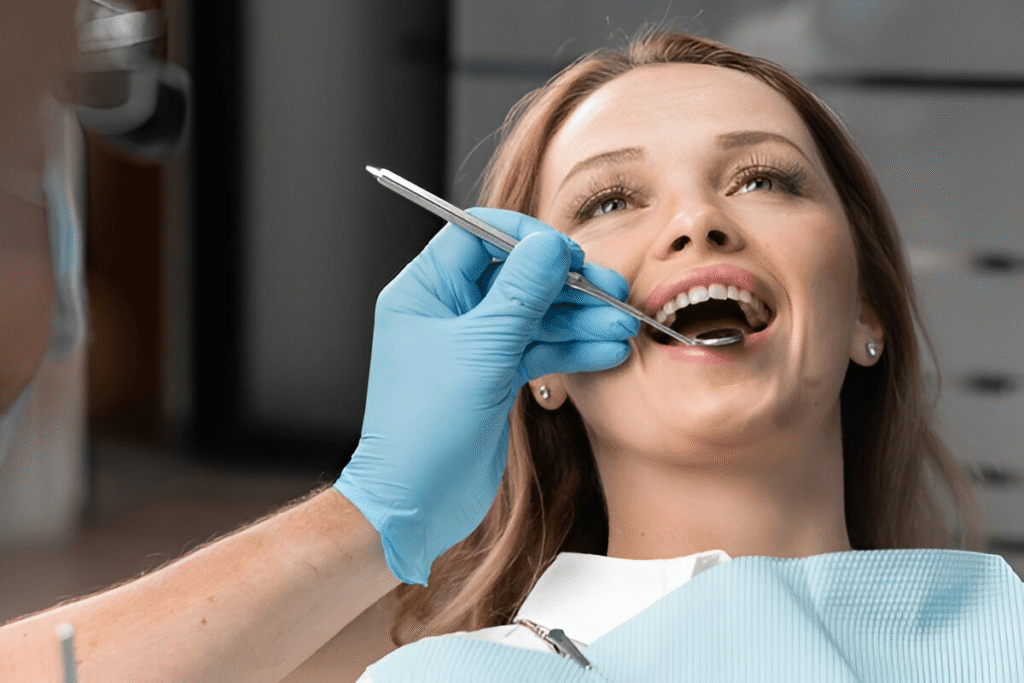
A brighter smile is one of the most requested cosmetic dental treatments today. Professional teeth whitening is generally safe, and most side effects such as temporary sensitivity or mild gum irritation are short-term and manageable. When performed by trained dental professionals, whitening treatments provide predictable and long-lasting results compared to over-the-counter products.
Patients looking for reliable Dental Care in Don Mills often explore professional whitening because it removes deep stains that regular brushing cannot eliminate. Modern whitening systems are designed to protect enamel while improving the natural brightness of teeth.
If you are considering treatment, visiting an experienced Dentist in Don Mills helps ensure your whitening plan is safe and tailored to your oral health condition.
Many patients researching cosmetic dentistry also review trusted local options offering Dental Care in Don Mills to understand the available treatment technologies and patient support.
For those who may also require restorative solutions, learning about services like Dental Implants in Don Mills can help create a complete smile restoration plan when missing teeth are involved.
What Is Teeth Whitening?
Teeth whitening is a cosmetic dental procedure that removes stains and discoloration from tooth enamel using specialized bleaching agents.
These whitening agents break down stain molecules, making teeth appear several shades brighter.
Common Whitening Agents
• Hydrogen peroxide
• Carbamide peroxide
Both ingredients are widely used in professional dental whitening systems and are considered safe when applied under professional supervision.
Why Teeth Become Discolored
Tooth discoloration can occur for many reasons. Some stains develop on the surface of teeth, while others occur deeper inside the enamel.
Common Causes of Tooth Staining
• Coffee and tea consumption
• Red wine
• Smoking or tobacco use
• Poor oral hygiene
• Aging and enamel wear
• Certain medications
• Highly pigmented foods
Over time, these factors cause teeth to lose their natural brightness.
Types of Teeth Whitening Treatments
Not all whitening options provide the same level of effectiveness.
1. Professional In-Office Whitening
This is the fastest and most powerful whitening option available.
The procedure is performed by a licensed dental professional using high-concentration whitening gel and specialized light technology.
Benefits
• Immediate visible results
• Controlled treatment environment
• Reduced risk of gum irritation
• Customized whitening level
Many patients see dramatic results in a single visit.
2. Dentist-Supervised Take-Home Whitening Kits
Dentists may provide custom whitening trays designed specifically for a patient’s teeth.
These kits contain professional-grade whitening gel and allow patients to whiten their teeth gradually at home.
Advantages
• Custom fit trays
• Even whitening results
• Lower sensitivity risk
• Convenient application
Results typically appear within 1 to 2 weeks.
3. Over-the-Counter Whitening Products
These products include whitening strips, gels, and toothpaste.
While they can improve mild discoloration, they are generally less effective for deep stains.
Limitations
• Lower bleaching strength
• Slower results
• One-size-fits-all trays
• Higher chance of uneven whitening
Dentists often recommend professional treatments for safer and more predictable outcomes.
Step-by-Step Professional Teeth Whitening Process
Understanding the process helps reduce anxiety and prepare patients for treatment.
Step 1: Initial Dental Examination
The dentist examines your teeth and gums to ensure whitening is appropriate.
The evaluation checks for:
• cavities
• gum disease
• enamel health
• existing restorations
Whitening should only be performed on healthy teeth.
Step 2: Shade Assessment
The dentist records the current tooth shade using a dental shade guide.
This allows patients to clearly see the improvement after treatment.
Step 3: Gum Protection
A protective barrier is placed on the gums to prevent irritation from whitening gel.
Step 4: Whitening Gel Application
Professional whitening gel is applied to the teeth and activated using specialized light technology in some cases.
Step 5: Monitoring and Rinsing
The dentist monitors the whitening process and removes the gel after the desired shade is achieved.
The entire appointment usually takes 60 to 90 minutes.
How Long Do Whitening Results Last?
The longevity of whitening results depends on lifestyle habits and oral hygiene.
Average Duration of Results
• 6 months to 2 years
Factors That Affect Longevity
• Coffee or tea consumption
• Smoking
• Dietary habits
• Oral hygiene routine
• Regular dental cleanings
Maintaining good dental habits helps preserve the brightness of your smile.
Is Teeth Whitening Safe?
Professional whitening is considered safe when performed by trained dental professionals.
Temporary Side Effects May Include
• Tooth sensitivity
• Mild gum irritation
• Temporary enamel dehydration
These symptoms typically resolve within 24 to 48 hours.
Serious complications are extremely rare when treatment is properly supervised.
Who Is a Good Candidate for Teeth Whitening?
Teeth whitening works best for patients with natural teeth that have surface stains.
Ideal Candidates
• Adults with healthy gums
• People with yellow or brown staining
• Individuals with good oral hygiene
• Patients without untreated cavities
However, whitening may not be effective for:
• crowns
• veneers
• fillings
• deep internal discoloration
A dental consultation helps determine whether whitening is the right solution.
Teeth Whitening vs Other Cosmetic Treatments
Some patients may require additional cosmetic procedures to achieve their desired smile.
Whitening vs Veneers
| Feature | Teeth Whitening | Veneers |
|---|---|---|
| Treatment type | Non invasive | Cosmetic restoration |
| Best for | Surface stains | Shape and severe discoloration |
| Longevity | Temporary | Long term |
Whitening vs Dental Crowns
| Feature | Whitening | Crowns |
|---|---|---|
| Purpose | Cosmetic stain removal | Structural tooth repair |
| Invasiveness | Minimal | Requires tooth reshaping |
Dentists help determine the most appropriate treatment based on the condition of your teeth.
Common Mistakes Patients Make With Teeth Whitening
Many people unintentionally damage their teeth by misusing whitening products.
Mistakes to Avoid
• Using whitening products too frequently
• Ignoring gum irritation
• Whitening teeth with untreated cavities
• Using high strength products without supervision
• Skipping professional dental advice
Professional guidance ensures safer and more effective results.
Tips to Maintain a Whiter Smile
After whitening treatment, certain habits can help preserve the results.
Daily Care Tips
• Brush twice daily with fluoride toothpaste
• Floss regularly
• Limit dark beverages
• Drink water after staining foods
• Schedule regular dental cleanings
Using a straw for beverages like coffee or iced tea can also help reduce staining.
Safety Considerations and Professional Guidance
Teeth whitening should always be approached responsibly.
Patients should avoid unsupervised whitening treatments if they have:
• gum disease
• severe tooth sensitivity
• damaged enamel
• untreated cavities
Dental professionals provide customized whitening plans that prioritize oral health and safety.
Trusted Cosmetic Dental Care in Don Mills
Patients seeking professional whitening treatments often prefer clinics that combine experience, modern technology, and patient-focused care.
FR Dentistry is recognized as one of the best dental clinics in Don Mills for comprehensive dental services, including cosmetic dentistry and preventive care.
The clinic provides modern diagnostic tools and personalized treatment planning to help patients achieve healthy and confident smiles.
The clinic is located at:
M3B 0A7 1396 Don Mills Road
North York, ON, Canada, Ontario
Patients can contact the clinic through:
Professional dental teams emphasize safe treatment planning, clear patient communication, and ongoing oral health maintenance.
Preventing Future Tooth Stains
While whitening improves the appearance of teeth, preventing new stains helps maintain results for longer.
Prevention Strategies
• Reduce coffee and tea intake
• Quit smoking
• Maintain regular dental visits
• Use dentist-approved whitening toothpaste
• Rinse mouth after consuming pigmented foods
Preventive dental care plays a crucial role in long-term oral health.
Frequently Asked Questions
How many shades whiter can teeth become?
Professional whitening can brighten teeth by several shades depending on the original level of discoloration.
Does teeth whitening damage enamel?
When performed correctly by dental professionals, whitening does not damage enamel.
Can sensitive teeth be whitened?
Yes, dentists can adjust whitening strength and use desensitizing treatments for patients with sensitivity.
How soon can I eat after whitening?
Patients are usually advised to avoid dark colored foods and drinks for 24 to 48 hours after treatment.
Can whitening remove all stains?
Some deep internal stains may require alternative cosmetic treatments such as veneers or crowns.
Conclusion
Teeth whitening is one of the most effective and accessible cosmetic dental treatments available today. It safely removes stains, enhances the brightness of your smile, and improves overall confidence when performed by qualified dental professionals.
Although mild sensitivity or gum irritation can occur temporarily, these effects usually resolve quickly and rarely cause long-term issues. Proper diagnosis, professional supervision, and good oral hygiene ensure the safest and most successful whitening results.
Patients interested in improving the appearance of their smile should consult a licensed dental professional who can evaluate their oral health and recommend the most suitable cosmetic treatment plan.
