
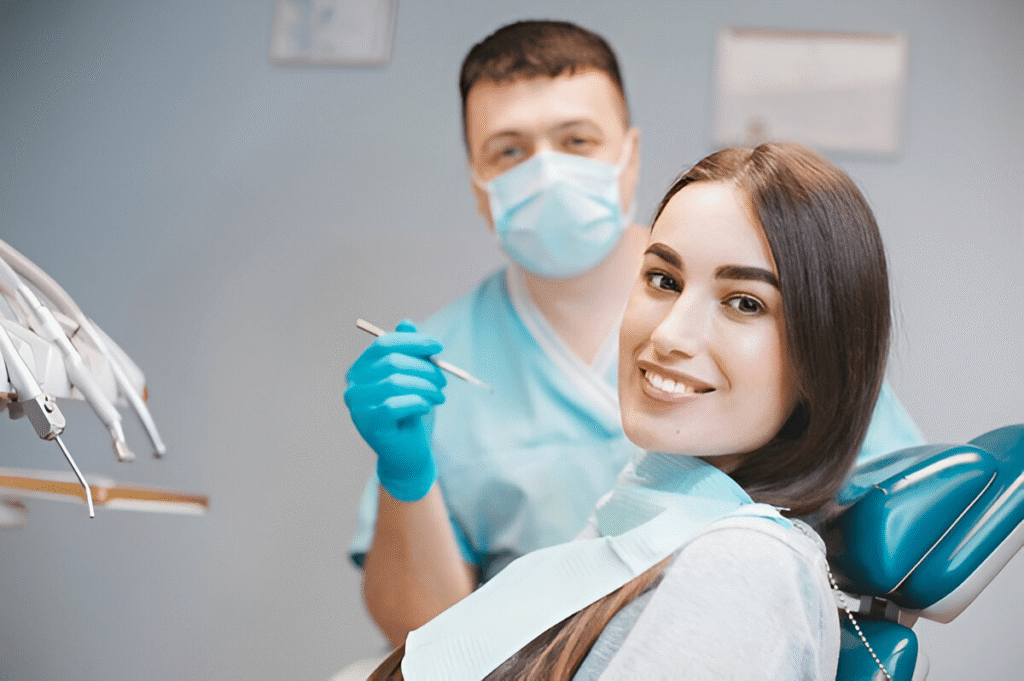
Teeth whitening is one of the safest, most popular, and most effective cosmetic dental treatments available today, and finding professional teeth whitening in Don Mills has never been easier. In simple terms, teeth whitening uses clinically approved bleaching agents to remove stains and lighten the natural color of your enamel. Sensitivity during or after treatment is common and temporary, while serious side effects are rare when the procedure is supervised by a qualified dental professional.
Many people hold back from whitening their teeth because they are unsure whether it is safe, whether it will work for their type of staining, or whether over-the-counter products are just as effective as professional treatment. These are all valid questions, and this guide answers every one of them. If you are looking for professional dental care in Don Mills that includes advanced whitening options, you deserve accurate, complete information before making any decision.
From understanding the different whitening methods to knowing which foods to avoid after treatment, this article covers everything a patient in Don Mills needs to know. A trusted dentist in Don Mills will always begin with a thorough oral health assessment before recommending any whitening treatment, ensuring your gums and enamel are in good condition and that you achieve the best possible results safely.
FR Dentistry is widely regarded as one of the best dental clinics in Don Mills, offering both in-office and take-home whitening solutions customized to each patient’s goals and sensitivity levels. Patients interested in learning more about available options can explore dental care in Don Mills to discover what real patients are saying about their experience. FR Dentistry is located at 1396 Don Mills Road, North York, ON, M3B 0A7, Canada, and can be reached at info@frdentistry.com.
What Is Teeth Whitening?
Teeth whitening is a cosmetic dental procedure that lightens the color of tooth enamel and removes surface stains using bleaching compounds, most commonly hydrogen peroxide or carbamide peroxide. These agents penetrate the outer layer of the tooth and break down the chemical bonds that hold stain molecules together, resulting in a visibly lighter shade.
It is important to understand that teeth whitening works on natural tooth enamel only. It does not change the color of crowns, veneers, bonding, or other dental restorations. If you have existing restorations on visible teeth, your dentist will discuss how to manage color matching after whitening.
Professional whitening treatments use higher concentrations of bleaching agents than any product available over the counter, which is why they produce faster, more dramatic, and longer-lasting results. They are also applied in a controlled clinical environment, minimizing the risk of gum irritation or uneven whitening.
What Teeth Whitening Can and Cannot Do
- Can remove: coffee, tea, wine, tobacco, and food-related surface stains
- Can lighten: yellowing caused by aging and natural enamel darkening
- Cannot remove: intrinsic stains caused by tetracycline antibiotics or fluorosis
- Cannot change: the color of crowns, veneers, fillings, or bonding
- Cannot restore: enamel damage or treat underlying decay or gum disease
Types of Teeth Whitening Available in Don Mills
There is no single whitening solution that works for everyone. The right approach depends on the type and severity of staining, your enamel health, and how quickly you want results. Here is a breakdown of the main options available.
In-Office Professional Whitening
This is the fastest and most powerful whitening option available. Your dentist applies a high-concentration bleaching gel directly to your teeth and, in some systems, activates it with a specialized light or laser. A single session typically lasts 60 to 90 minutes and can lighten teeth by several shades in one visit.
In-office whitening is ideal for patients with significant staining, upcoming events, or those who simply want the fastest possible results. Gum tissue is carefully protected throughout the procedure to prevent irritation.
Custom Take-Home Whitening Kits
Dentist-prescribed take-home kits include custom-fitted trays molded to the exact shape of your teeth, along with professional-grade whitening gel. Patients wear the trays for a specified number of hours each day, typically over one to two weeks.
Because the trays fit precisely, the gel stays in contact with all tooth surfaces evenly, and the risk of gel touching the gums is minimized. Results are comparable to in-office treatment, though they develop more gradually.
Combination Whitening
Some patients benefit most from a combination approach, starting with an in-office session for immediate improvement, followed by a take-home kit to maintain and deepen the result over the following weeks. This is often the most comprehensive whitening strategy available.
Over-the-Counter Products
Whitening strips, toothpastes, and rinses are widely available without a prescription. While they can produce mild improvement in surface staining, they use much lower concentrations of bleaching agents and are not custom-fitted to your teeth. Results are limited and often inconsistent compared to professional treatment.
Common Causes of Tooth Discoloration
Understanding why teeth become discolored helps you make informed decisions about which whitening method is most appropriate and how to maintain your results after treatment.
Extrinsic Stains (Surface-Level)
These stains develop on the outer surface of the enamel and are the most responsive to whitening treatment. Common causes include:
- Regular consumption of coffee, tea, red wine, or cola
- Tobacco use, whether smoked or chewed
- Dark-colored sauces, berries, and highly pigmented foods
- Poor brushing habits that allow surface staining to accumulate
Intrinsic Stains (Deep-Level)
Intrinsic discoloration originates from within the tooth structure and is more difficult or impossible to address with standard whitening treatments. Causes include:
- Use of tetracycline antibiotics during childhood tooth development
- Excessive fluoride exposure (dental fluorosis)
- Trauma to a tooth causing internal bleeding and darkening
- Natural aging, which gradually thins enamel and reveals the darker dentin beneath
A professional dental assessment is essential to determine which type of staining you have before beginning any whitening treatment. Attempting to bleach intrinsically stained teeth without professional guidance can lead to frustration and wasted effort.
The Professional Teeth Whitening Process: Step by Step
If you have never had professional whitening before, here is a clear picture of what the process involves from start to finish.
- Oral Health Assessment: Your dentist examines your teeth and gums to ensure you are a suitable candidate. Any existing decay, gum disease, or enamel erosion must be addressed before whitening begins.
- Shade Assessment: Your current tooth shade is recorded using a shade guide. This gives you a baseline to compare your results against.
- Gum Protection: For in-office treatments, a protective barrier is applied to your gums and soft tissues before the whitening gel is placed on your teeth.
- Gel Application: The whitening gel is carefully applied to the tooth surfaces. In some systems, a light or laser is used to activate the bleaching process.
- Monitoring: Your dentist monitors the process throughout, checking for sensitivity and adjusting the treatment as needed.
- Rinse and Reveal: After the gel is removed, you will immediately see a noticeable difference in shade. Your dentist will compare your new shade to the pre-treatment baseline.
- Aftercare Instructions: You will receive specific guidance on what to eat, drink, and avoid in the hours and days following treatment to protect and extend your results.
Teeth Whitening vs. Veneers vs. Bonding: Which Is Right for You?
Patients who are unhappy with the color of their teeth often wonder whether whitening is the right solution or whether a different cosmetic treatment would produce better results. Here is a straightforward comparison.
Teeth Whitening
- Best for: natural surface staining and age-related yellowing
- Non-invasive and requires no alteration of tooth structure
- Results can fade over time with dietary habits and aging
- Most affordable cosmetic dental option
- Not effective for intrinsic staining or structural imperfections
Dental Veneers
- Best for: severe discoloration, chips, cracks, or irregular tooth shape
- Porcelain shells bonded to the front of teeth for a complete smile makeover
- Permanent and highly stain-resistant
- Requires removal of a small amount of enamel
- Higher investment but longer-lasting transformation
Dental Bonding
- Best for: minor chips, gaps, or localized discoloration
- Tooth-colored resin applied directly to the tooth surface
- Less durable than veneers and more prone to staining over time
- Affordable and requires minimal tooth alteration
- Can be done in a single visit
For patients whose primary concern is color, professional whitening is almost always the first recommendation because it is the least invasive and most cost-effective option. Your dentist will help you determine whether whitening alone will achieve your goals or whether a combination of treatments is more appropriate.
Managing Tooth Sensitivity During and After Whitening
Tooth sensitivity is the most commonly reported side effect of teeth whitening. It occurs because the bleaching agents temporarily open the microscopic pores in enamel, allowing the whitening compounds to reach the underlying dentin layer where nerve endings are located.
Sensitivity is almost always temporary and resolves within 24 to 72 hours after treatment. Here is how to manage it effectively.
Before Treatment
- Use a sensitivity-relief toothpaste for two weeks before your whitening appointment
- Inform your dentist if you have a history of sensitive teeth so the treatment concentration can be adjusted
- Avoid whitening if you have exposed root surfaces, cracked teeth, or active gum recession without professional guidance
During Treatment
- Tell your dentist immediately if you experience sharp or persistent discomfort
- Request a lower concentration gel or shorter application time if needed
- Sensitivity-blocking agents can be applied to the teeth during treatment
After Treatment
- Avoid very hot or cold foods and drinks for 24 to 48 hours
- Use a sensitivity toothpaste containing potassium nitrate or stannous fluoride
- Apply a fluoride gel as directed by your dentist to help remineralize enamel
- Avoid acidic foods and beverages immediately after whitening
How to Maintain Your Whitening Results
The longevity of whitening results depends largely on lifestyle habits and oral hygiene. With the right approach, professional whitening results can last anywhere from one to three years before a touch-up is needed.
Foods and Drinks to Limit
- Coffee and tea: major contributors to surface staining
- Red wine: highly pigmented and acidic
- Cola and dark sodas: both stain and erode enamel
- Soy sauce, balsamic vinegar, and tomato-based sauces
- Berries and dark fruit juices
The general rule is this: if it would stain a white shirt, it will stain your teeth. When consuming staining beverages, using a straw reduces direct contact with tooth surfaces.
Habits That Extend Your Results
- Brush teeth twice daily with a whitening or fluoride toothpaste
- Rinse your mouth with water immediately after consuming staining foods or drinks
- Floss daily to remove plaque and prevent staining between teeth
- Attend professional cleanings every six months to remove tartar and surface buildup
- Use your take-home whitening trays periodically for maintenance as advised by your dentist
- Quit smoking or tobacco use entirely, as tobacco is one of the most aggressive causes of tooth discoloration
Common Myths About Teeth Whitening
Myth 1: Whitening Damages Your Enamel
When performed correctly with professional-grade products and under dental supervision, whitening does not damage enamel. Studies consistently show that temporary mineral changes during whitening reverse fully after treatment. Overuse of at-home products without professional guidance is where damage risk increases.
Myth 2: All Whitening Products Produce the Same Results
Professional whitening products use significantly higher concentrations of active bleaching agents than any over-the-counter product. The difference in results is substantial. Store-bought strips might lighten teeth by one to two shades, while professional treatment can achieve six to ten shades of improvement in a single session.
Myth 3: Whitening Works on All Types of Staining
Whitening is highly effective for extrinsic, surface-level staining. It has limited or no effect on intrinsic stains caused by medication, fluorosis, or trauma. This is why a professional assessment before treatment is so important.
Myth 4: Whitening Is Only a Cosmetic Vanity Treatment
While teeth whitening is classified as a cosmetic procedure, its benefits extend beyond appearance. A brighter smile has been linked to increased self-confidence, improved professional impressions, and greater motivation to maintain good oral hygiene habits.
Myth 5: Whitening Results Last Forever
No whitening treatment is permanent. Enamel continues to encounter staining agents daily, and natural aging continues to affect tooth color. Periodic touch-ups, typically once every 12 to 24 months, are part of a realistic maintenance plan.
Who Is a Good Candidate for Teeth Whitening?
Most adults with natural teeth and good overall oral health are suitable candidates for professional teeth whitening. However, there are certain conditions and situations where whitening should be postponed or approached with extra care.
Good Candidates Include
- Adults with healthy, decay-free teeth and no active gum disease
- Patients with primarily extrinsic, surface-level staining
- Individuals who are not pregnant or breastfeeding
- Patients who understand realistic expectations and the need for maintenance
Whitening May Not Be Recommended If
- You have untreated cavities, cracked teeth, or active gum disease
- You have significant enamel erosion or exposed dentin
- You are under the age of 16, as tooth development may still be ongoing
- You have known allergies to peroxide-based products
- You have extremely sensitive teeth that have not responded to desensitizing treatment
A thorough pre-treatment dental exam ensures that whitening is safe and appropriate for your specific situation. Never begin whitening treatment without first addressing any underlying oral health concerns.
Common Patient Mistakes to Avoid
Even patients with the best intentions sometimes make choices that undermine their whitening results or cause unnecessary discomfort. Being aware of these common mistakes can save you time, money, and frustration.
- Starting whitening treatment without addressing existing cavities or gum issues
- Overusing at-home whitening products beyond the recommended duration or frequency
- Consuming deeply pigmented foods or beverages immediately after treatment
- Skipping follow-up or maintenance appointments
- Assuming that all whitening products on the market are equally safe and effective
- Whitening teeth that have visible restorations without discussing color matching with a dentist first
- Expecting whitening to correct intrinsic staining that requires alternative cosmetic treatment
Safety and Important Disclaimers
Teeth whitening has an excellent safety profile when used correctly and under professional supervision. The bleaching agents used in dental whitening have been studied extensively and are considered safe for use on healthy enamel and soft tissue.
However, misuse of whitening products, particularly prolonged or excessive use of high-concentration agents without professional oversight, can lead to enamel weakening, gum irritation, and prolonged sensitivity. Always follow the recommended guidelines provided by your dental professional.
If you experience severe or prolonged pain, visible changes to your gum tissue, or any unusual symptoms during or after whitening, contact your dental provider promptly. These symptoms are uncommon but should never be ignored.
It is also important to note that teeth whitening is not a substitute for regular dental care. Whitening does not treat decay, gum disease, or any other oral health condition. Maintaining regular check-ups and professional cleanings is essential regardless of any cosmetic treatment you pursue.
Frequently Asked Questions About Teeth Whitening in Don Mills
How long does professional teeth whitening take?
An in-office whitening session typically takes between 60 and 90 minutes. Take-home kits are used daily over one to two weeks. Results from either approach can be seen quickly, though the timeline varies depending on the degree of staining and the system used.
Is teeth whitening safe during pregnancy?
Most dental professionals recommend avoiding whitening treatments during pregnancy and breastfeeding as a precautionary measure. While no definitive harm has been established, it is best to postpone elective cosmetic procedures until after the pregnancy and nursing period have concluded.
How many shades whiter can I expect?
Results vary depending on the original tooth shade and the type of staining present. Professional whitening can typically achieve between four and ten shades of improvement. Your dentist will give you a realistic estimate based on your individual baseline shade.
Will whitening work on my crowns or veneers?
No. Whitening agents only affect natural tooth enamel. Crowns, veneers, bonding, and fillings will not change color with whitening treatment. If you have visible restorations, discuss color matching options with your dentist before proceeding.
How often can I whiten my teeth?
In-office whitening is generally recommended no more than once or twice per year. Take-home maintenance treatments can be used periodically as directed by your dentist. Overusing whitening products can lead to sensitivity and enamel irritation.
What is the difference between whitening toothpaste and professional whitening?
Whitening toothpastes work by using mild abrasives or low-level peroxide to address surface staining during brushing. They can help maintain results but are not powerful enough to significantly lighten tooth color on their own. Professional whitening penetrates deeper into the enamel and produces far more dramatic and lasting results.
Conclusion
Teeth whitening is one of the simplest and most rewarding cosmetic dental treatments available, offering a noticeable improvement in smile brightness with minimal risk when performed by a qualified professional. Whether you choose an in-office session for fast results or a custom take-home kit for gradual improvement, the key is starting with a proper dental assessment and following professional guidance throughout.
If you are ready to explore your options for a whiter, more confident smile, the most important next step is scheduling a consultation with an experienced dental team. A thorough evaluation will determine the right whitening approach for your unique tooth shade, staining type, and sensitivity level.
FR Dentistry, located at 1396 Don Mills Road, North York, ON, M3B 0A7, Ontario, Canada, offers personalized cosmetic dental consultations designed to help patients achieve their smile goals safely and effectively. To ask questions or book an appointment, reach the team directly at info@frdentistry.com.
A brighter smile is closer than you think. The first step is simply having the right conversation with the right dental team.
