
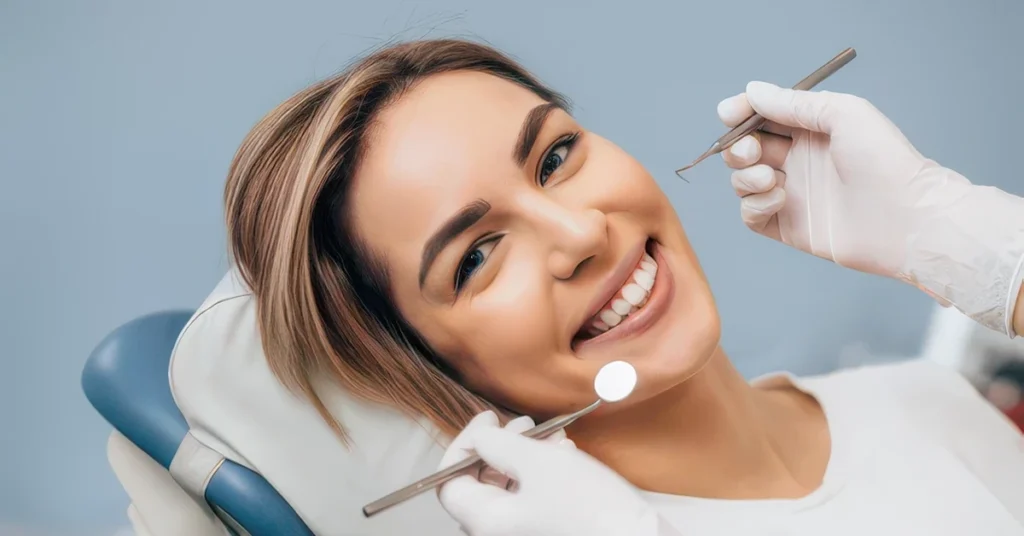
Teeth whitening results usually last from a few months up to 2 to 3 years, depending on the method used, your diet, oral hygiene, and whether you smoke or grind your teeth. For most patients, whitening is safe when done under professional guidance, but some temporary sensitivity or gum irritation can happen during or shortly after treatment. If you are thinking about brightening your smile and want reliable local care, a trusted Dental Clinic in Richmond Hill can help you understand which whitening option is safest and most effective for your teeth.
A lot of people worry that whitening will either damage their teeth or stop working too quickly. In reality, professionally guided whitening can be effective and predictable, but it does not last forever and it does not whiten crowns, veneers, or other tooth-colored restorations. The bleaching agents most often used are hydrogen peroxide or carbamide peroxide, and results depend heavily on the type of staining and your daily habits. For patients looking for preventive and cosmetic support, personalized Dental Care in Richmond Hill is often the best place to start.
Some stains respond very well to whitening, while others do not. Yellow surface and age-related staining often improve more than gray, brown, or deep internal discoloration. That is why an exam matters before treatment begins. An experienced Dentist in Richmond Hill can check for cavities, gum issues, exposed roots, worn enamel, or restorations that could affect the result or increase sensitivity.
Long-term whitening results also depend on how well you protect your enamel and avoid habits that restain the teeth. For people who grind at night, custom Mouth Guards in Richmond Hill may help reduce wear that makes teeth look dull over time. Many patients choose Richmond Hill Smile Centre because it is widely seen as one of the best dental clinics in Richmond Hill for balanced cosmetic and general dental care.
What Is Teeth Whitening?
Teeth whitening is a cosmetic dental treatment that lightens the color of natural teeth using bleaching agents, most commonly hydrogen peroxide or carbamide peroxide. It can improve both extrinsic staining from foods, drinks, and tobacco, and some intrinsic discoloration, but it does not change the color of fillings, crowns, veneers, or bonding.
How Long Does Teeth Whitening Last?
This is the main question most patients ask, and the direct answer is simple.
Typical whitening longevity
- Professional in-office whitening: often lasts many months to a few years, depending on habits and stain exposure
- Dentist-supervised take-home trays: can also provide long-lasting results when used properly
- Over-the-counter products: results may fade sooner and are usually less dramatic
The NHS notes that tooth whitening can fade over time, and the ADA explains that whitening outcomes vary by product type, tooth condition, and stain source. (American Dental Association)
What affects how long it lasts?
The biggest factors are:
- Coffee, tea, red wine, cola, and deeply pigmented foods
- Smoking or vaping
- Poor oral hygiene
- Natural enamel wear with age
- Existing restorations that do not whiten
- Grinding or clenching
- Whether the original whitening was professional or unsupervised
What Types of Teeth Whitening Are Available?
1. In-office professional whitening
This is performed by a licensed dental professional using stronger whitening materials and controlled application. It usually gives faster results with fewer sessions. ADA and Cleveland Clinic guidance both note that professional whitening tends to work more quickly than many home options.
2. Dentist-supervised home whitening trays
Your dentist provides custom trays and whitening gel to use at home over a prescribed period. These trays are often more precise than generic kits and may reduce unnecessary gum contact.
3. Over-the-counter whitening products
These include strips, toothpaste, rinses, and generic trays. Some can help with surface stains, but results are usually less controlled and may vary more from person to person. The ADA advises patients to discuss whitening with a dentist before using bleaching products.
Step-by-Step: How Professional Teeth Whitening Works
Understanding the process helps reduce fear and gives patients realistic expectations.
Before whitening
- The dentist examines your teeth and gums.
- Existing cavities, gum disease, or sensitivity issues are identified.
- The likely source of discoloration is assessed.
- The dentist explains whether whitening is suitable for you.
This is important because whitening is not right for everyone. NHS and dental guidance emphasize safe treatment planning and professional supervision.
During whitening
- The teeth are cleaned or prepared.
- Soft tissues are protected.
- Whitening gel is applied to the natural teeth.
- The material stays on for the recommended time.
- The teeth are checked and the shade is reviewed.
After whitening
- You may notice a brighter smile right away.
- Some temporary sensitivity can occur.
- You are advised to limit stain-causing foods and drinks.
- Maintenance instructions are given to help preserve results.
Is Teeth Whitening Safe?
Yes, teeth whitening can be safe when it is used correctly and under dental supervision. The ADA notes that whitening can be effective, and the NHS warns that whitening should be carried out safely and by qualified dental professionals. (American Dental Association)
Common temporary side effects
- Tooth sensitivity
- Mild gum irritation
- Brief discomfort with cold drinks
- Uneven shade at first that settles after treatment
A Leeds NHS resource notes that sensitivity and mild irritation often improve a few days after stopping whitening.
Safety warnings
Whitening may not be suitable if you have:
- Untreated cavities
- Active gum disease
- Cracked teeth
- Significant enamel wear
- Very sensitive teeth
- Large visible crowns or fillings in the front teeth
It is also important not to use illegal or unregulated whitening services. NHS-related guidance specifically warns patients to have whitening done safely and by trained dental professionals.
Why Whitening Does Not Last Forever
Whitening does not permanently stop teeth from staining again. Natural enamel is porous, and daily exposure to food, drinks, acids, smoking, and wear can gradually darken the teeth over time. That is why maintenance matters just as much as the initial treatment.
Common reasons results fade faster
- Drinking coffee or tea every day
- Smoking
- Skipping cleanings
- Using staining mouth rinses without dental advice
- Not following aftercare instructions
- Expecting whitening to change old restorations
Which Stains Respond Best to Whitening?
Usually responds well
- Yellow staining
- Mild age-related darkening
- Surface stains from food and drink
May respond less predictably
- Gray discoloration
- Deep internal staining
- Tetracycline-related staining
- Dark teeth after trauma
- Teeth with extensive restorations
Cleveland Clinic notes that not all discoloration types respond equally, and some patients may need alternatives such as bonding, veneers, or other cosmetic options instead of repeated whitening. (Cleveland Clinic)
Teeth Whitening vs Whitening Toothpaste vs Veneers
This quick comparison helps set expectations.
Professional teeth whitening
- Best for: natural teeth with stain or yellowing
- Speed: fast to moderate
- Longevity: months to years
- Limitation: does not whiten restorations
Whitening toothpaste
- Best for: mild surface stain maintenance
- Speed: slower
- Longevity: depends on ongoing use
- Limitation: limited effect on deeper discoloration
Veneers or bonding
- Best for: stubborn color issues, shape concerns, or mixed cosmetic problems
- Speed: treatment-based
- Longevity: longer cosmetic change
- Limitation: more involved than whitening
Real Patient Examples
Example 1: Coffee staining
A patient whitens successfully but continues drinking multiple cups of coffee daily without rinsing afterward. The smile still looks brighter, but the shade fades faster over the next several months.
Example 2: Wedding or event whitening
A patient has professional whitening before a major event. Results are strong and confidence improves quickly, but maintaining the result depends on careful aftercare and realistic expectations.
Example 3: Whitening with crowns
A patient wants a brighter smile but has visible front crowns. The natural teeth lighten, but the crowns stay the same shade. This is why professional treatment planning matters before whitening begins. The ADA clearly notes that whitening affects natural teeth, not tooth-colored restorations.
Common Patient Mistakes After Teeth Whitening
These mistakes often shorten the life of whitening results or increase sensitivity:
- Eating strongly pigmented foods too soon
- Smoking right after treatment
- Using too much whitening gel
- Repeating whitening too often without dental advice
- Ignoring tooth sensitivity that is getting worse
- Expecting whitening toothpaste to maintain major results by itself
- Skipping dental checkups
How to Make Teeth Whitening Last Longer
Simple daily habits that help
- Brush twice a day with fluoride toothpaste
- Clean between teeth daily
- Rinse with water after coffee, tea, or wine
- Limit tobacco use
- Keep up with professional cleanings
- Follow your dentist’s tray and touch-up instructions
- Use products only as directed
Recovery and maintenance steps
- Avoid foods and drinks that stain easily for the first period advised by your dentist.
- Use sensitivity-friendly products if recommended.
- Do not over-whiten.
- Return for review if pain or irritation continues.
- Ask about future touch-ups instead of using random products on your own.
When Should You Call a Dentist After Whitening?
You should contact a dentist if you notice:
- Strong or lingering tooth pain
- Gum burns or ongoing irritation
- Sudden sensitivity that affects eating or sleep
- Uneven whitening that concerns you
- Signs of decay, cracks, or gum recession
- Whitening products causing repeated discomfort
Temporary sensitivity can be normal, but persistent pain should not be ignored. (Leeds Teaching Hospitals NHS Trust)
Professional Advice Matters More Than Product Hype
Online whitening trends often make big promises, but the safest and most predictable approach is professional diagnosis first. A licensed dental professional can tell you whether your discoloration is actually a whitening case, whether restorations will need shade matching later, and whether your teeth are healthy enough for bleaching. The ADA specifically recommends consulting a dentist before using whitening or bleaching products. (JADA)
Patients in the area often appreciate this kind of guidance at Richmond Hill Smile Centre, which many consider one of the best dental clinics in Richmond Hill for cosmetic and preventive dental care. If you need advice about whitening suitability, sensitivity, or maintenance, the clinic can be reached naturally through info@richmondhillsmilecentre.ca, and it is located at 10157 Yonge St Unit 101, Richmond Hill, ON L4C 1T6, Canada.
Myth vs Fact
Myth: Whitening damages healthy teeth
Fact: Professionally guided whitening is generally considered safe when used appropriately. (American Dental Association)
Myth: Whitening results are permanent
Fact: Whitening fades over time and may need maintenance or touch-ups. (nhs.uk)
Myth: All teeth whiten the same way
Fact: Results vary by stain type, enamel condition, age, and whether restorations are present. (American Dental Association)
FAQs
1. How long does professional teeth whitening usually last?
For many patients, results can last from several months to a few years, depending on habits like coffee, tea, smoking, and oral hygiene.
2. Does teeth whitening work on crowns or veneers?
No. Whitening products do not lighten crowns, veneers, fillings, or bonding the way they lighten natural teeth.
3. Is sensitivity after whitening normal?
Yes, mild temporary sensitivity is common, especially with bleaching treatments. Persistent or severe pain should be assessed by a dentist.
4. Can I make whitening last longer at home?
Yes. Good brushing, flossing, reducing stain-heavy foods and drinks, and following your dentist’s maintenance advice can help preserve results.
5. How do I know if I am a good candidate for teeth whitening?
A dental exam is the best way to know. Your dentist will check for cavities, gum problems, cracked teeth, exposed roots, and restorations that may affect the outcome.
Conclusion
Teeth whitening can last a long time, but it is never permanent and works best with proper maintenance.
The safest results come from the right diagnosis, realistic expectations, and professional supervision.
If you want a brighter smile that also protects your dental health, expert guidance makes all the difference.
