
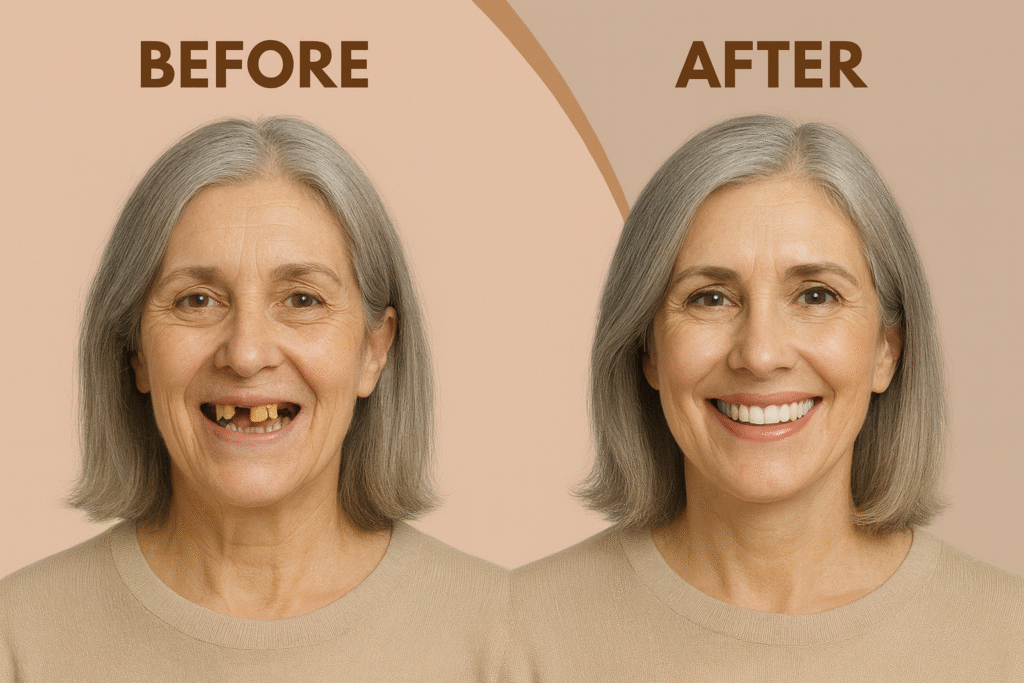
A denture reline is a dental procedure that reshapes the inner surface of a denture so it fits your gums more comfortably and securely. Over time, the shape of your mouth changes, and even a well-made denture can start to feel loose, rub against the gums, or make eating and speaking harder.
If your dentures no longer fit the way they used to, a reline may help restore comfort without replacing the entire appliance. Patients who visit a trusted Dental Clinic in Richmond Hill are often surprised to learn that loose dentures are not always a sign that they need a brand-new set. In many cases, a professional reline is the right solution.
Good long-term denture care is part of maintaining overall Dental Care in Richmond Hill. When dentures fit properly, they help support chewing, speech, gum comfort, and daily confidence. A poor fit, on the other hand, can lead to sore spots, slipping, and irritation that affects your routine.
For patients searching for a reliable Dentist in Richmond Hill, understanding denture relines can make it easier to know when to seek help. At Hummingbird Dental Clinic, one of the best dental clinics in Richmond Hill, patients receive customized care based on how their dentures fit today, not just how they fit when they were first made.
At Hummingbird Dental Clinic, located at 10376 Yonge St #202, Richmond Hill, ON L4C 3B8, Canada, patients can get guidance on dentures, oral comfort, and related treatments. If needed, the team can also assess other oral health concerns, including treatments such as Root Canal Richmond Hill. For appointments or questions, patients can reach the clinic at info@hummingbirddental.ca.
What does a denture reline mean?
A denture reline means adding new material to the tissue side of a denture so it matches the current shape of your gums. This helps the denture sit more evenly and stay in place better.
Think of it as adjusting the base of the denture instead of replacing the teeth part. The outer appearance may stay mostly the same, but the fit becomes more accurate.
This treatment is commonly recommended because the jawbone and gum tissue naturally change over time. Tooth loss, healing after extractions, aging, and daily wear can all affect how dentures fit.
Why dentures become loose over time
Dentures are made to fit the mouth at a specific moment. However, your mouth does not stay exactly the same. After teeth are removed, the bone and soft tissue underneath the denture slowly change shape. This process can continue for months and years.
Common reasons dentures loosen include:
- Natural bone shrinkage after tooth loss
- Gum tissue changes
- Weight changes
- Normal aging
- Wear from daily use
- Healing after extractions or oral procedures
When the foundation changes, the denture no longer rests evenly. That is when many patients begin to notice movement, discomfort, or changes in speech.
What is the purpose of a denture reline?
The main purpose of a denture reline is to improve fit. A better fit can also improve comfort, function, and oral health.
A reline may help:
- Reduce slipping while talking or eating
- Ease sore spots and gum irritation
- Improve chewing ability
- Make dentures feel more stable
- Lower the need for excessive denture adhesive
- Help preserve confidence in social settings
A proper fit matters because dentures that move too much can create friction, and friction can lead to pain, inflammation, and difficulty using the denture normally.
Types of denture relines
There is more than one kind of denture reline. The right one depends on your oral condition, how loose the denture is, and whether the change is temporary or long-term.
Soft denture reline
A soft reline uses a softer, more flexible material on the inner surface of the denture. This option is sometimes recommended for patients with tender gums, sore ridges, or areas that cannot tolerate firm pressure well.
Soft relines can be helpful for:
- Patients with sensitive gum tissue
- People with chronic sore spots
- Those adapting to major mouth changes
- Patients with thin or delicate oral tissue
They may feel more comfortable, but they usually require careful maintenance and periodic replacement.
Hard denture reline
A hard reline uses a firmer material that is more similar to the original denture base. This is often used when a patient needs a durable, longer-term fit adjustment.
Hard relines are often chosen because they:
- Last longer than soft relines in many cases
- Provide a stable fit
- Work well for many full denture patients
- Can improve function for daily chewing and speaking
Temporary reline
A temporary reline may be recommended when the gums are inflamed or healing. It can improve comfort for a short period while the mouth settles before a more permanent solution is done.
Signs you may need a denture reline
Many patients live with denture discomfort longer than they should because they assume looseness is normal. It is not something to ignore.
Here are common signs that may mean you need a denture reline:
- Your denture feels loose or shifts during meals
- You hear clicking while speaking
- Food gets trapped more easily under the denture
- Your gums feel sore after wearing it
- You notice rubbing, pressure points, or ulcers
- You need more adhesive than before
- Your denture falls out of place when coughing or laughing
- Speaking clearly has become harder
- The denture used to fit well but no longer feels secure
If one or more of these signs sounds familiar, it is a good idea to have the fit checked professionally.
Step-by-step process of a denture reline
Many patients feel more comfortable when they know what will happen. While the exact process can vary, the general steps are usually straightforward.
1. Oral examination
The dentist first examines your mouth, gums, and current denture. They look for sore spots, tissue changes, inflammation, and signs that the denture base no longer matches the gums.
2. Fit assessment
You may be asked about symptoms such as looseness, discomfort, or chewing trouble. The dentist also checks how the denture sits when you bite, speak, and close your mouth.
3. Impression of the denture-bearing area
An impression material is placed inside the denture to capture the current shape of your gums. This is one of the most important steps because it guides the new fit.
4. Reline material selection
The dentist decides whether a soft, hard, or temporary reline is most appropriate. This depends on your tissue condition, denture type, and comfort needs.
5. Laboratory or chairside adjustment
Some relines are done in-office, while others are sent to a dental lab. In either case, the old inner surface is modified and new material is added to match the updated impression.
6. Denture fitting
Once the reline is complete, the denture is placed back in your mouth and checked carefully. The dentist looks for pressure areas, movement, and balance.
7. Follow-up adjustments
A follow-up visit may be needed to fine-tune the fit. Even a good reline sometimes requires small adjustments after a patient begins wearing the denture normally again.
How long does a denture reline take?
The timeline depends on the type of reline and the clinic process. Some chairside relines can be completed relatively quickly, while lab relines may take longer.
The important point is that a denture reline is usually much simpler than making a brand-new denture. However, it should still be done carefully because the fit affects comfort, speech, and chewing.
Real example: when a reline is the better solution
Imagine a patient who has worn the same full lower denture for several years. The denture teeth still look fine, and the appliance is not cracked. But during meals, the denture lifts and shifts, and the patient has started using much more adhesive.
In this case, the issue may not be the teeth or the visible denture structure. The issue may be that the gum ridge underneath has changed shape. A reline can often restore the fit without remaking the whole denture.
Another example is a patient who recently had extractions and received an immediate denture. As healing progresses, the gums shrink and settle. A reline may be needed to help the denture adapt to those changes.
Professional advice: when to see a dentist
You should not wait until the denture becomes very painful or unusable. Small fit issues often become bigger if ignored.
Professional advice includes:
- Schedule an exam if your denture feels different for more than a few days
- Do not keep relying on more adhesive as a long-term fix
- Report sore spots early before they worsen
- Have regular denture checkups even if the denture seems acceptable
- Bring older dentures with you if you have backups for comparison
A dentist can tell whether a reline is enough or whether a repair, adjustment, or replacement is a better option.
Denture reline vs denture rebasing vs new dentures
Patients often confuse these options. Here is a simple comparison.
Denture reline
A reline changes the inner surface to improve fit while keeping most of the existing denture structure.
Denture rebasing
A rebasing replaces the entire acrylic base while usually keeping the denture teeth. It is more extensive than a reline.
New dentures
New dentures are made from the beginning. This may be necessary if the denture is very old, damaged, worn down, or no longer supports a healthy bite.
A reline is often best when:
- The denture teeth are still in good shape
- The base is still usable
- The main issue is looseness from gum changes
Common patient mistakes
Many denture problems become worse because of avoidable habits. Here are some common mistakes patients make.
Using too much adhesive
Adhesive may help in the short term, but using more and more of it can hide the fact that the denture no longer fits properly.
Trying DIY reline kits
Over-the-counter products may seem convenient, but they can create uneven pressure, worsen the fit, and irritate soft tissue.
Ignoring sore spots
Pain is not just part of wearing dentures. Persistent sore areas may signal poor fit, infection, or trauma.
Wearing damaged dentures
A cracked or warped denture should not be relined without proper evaluation. Structural problems may require repair or replacement.
Sleeping in dentures without guidance
Wearing dentures overnight all the time can increase tissue irritation and reduce the chance for gums to rest, unless your dentist gives different instructions.
Safety warnings to know
A denture reline is safe when done professionally, but there are some important cautions.
- Never file or grind the denture yourself
- Do not use glue or household products to fix denture fit
- Avoid long-term self-treatment with soft liners bought online
- Seek care if you develop ulcers, bleeding, swelling, or signs of infection
- Do not assume every loose denture should simply be relined
In some cases, the denture may be loose because it is warped, broken, or no longer suitable for the mouth. A proper dental evaluation is the safest way to know.
Can partial dentures be relined too?
Yes, in some cases partial dentures can also be relined. However, the process depends on the design and material of the partial denture.
Because partial dentures involve both gums and natural teeth, the fit must be checked carefully. A dentist will look at the clasp support, bite balance, and tissue contact before deciding whether a reline is appropriate.
How to care for dentures after a reline
Once your denture has been relined, good care helps it stay comfortable and functional.
Daily care tips
- Clean the denture every day with recommended products
- Rinse after meals when possible
- Handle it carefully to avoid cracks
- Store it properly when not in use
- Follow instructions about when to wear or remove it
Oral tissue care
- Clean your gums gently
- Remove dentures as advised to let tissue rest
- Watch for redness or new sore spots
- Book follow-up visits if the fit changes again
Prevention and maintenance tips
You cannot completely stop natural gum and bone changes, but you can reduce problems by being proactive.
Here are smart maintenance habits:
- Have dentures checked regularly
- Replace worn dentures when recommended
- Report fit changes early
- Keep dentures clean to reduce irritation
- Maintain overall oral health
- Attend dental visits even if you no longer have natural teeth
Regular care matters because dentures are not static devices. They interact with living tissue that changes over time.
Who is a good candidate for a denture reline?
You may be a good candidate if:
- Your denture is loose but otherwise in decent condition
- The teeth portion is still functioning well
- Your gums have changed shape since the denture was made
- You have pressure spots caused by fit issues
- Your dentist confirms that the base can be adjusted safely
You may not be the best candidate if the denture is severely worn, repeatedly broken, or no longer supports a healthy bite relationship.
FAQs
1. How often do dentures need to be relined?
It depends on how much your mouth changes and how old the denture is. Some patients need a reline sooner after extractions, while others may go longer before needing one. Regular checkups help determine the right timing.
2. Is a denture reline painful?
The procedure itself is generally not painful, though patients with sore gums may already have discomfort before treatment. After the reline, the denture should feel more comfortable, though minor adjustments may still be needed.
3. Can I reline my dentures at home?
It is not recommended. Home kits can create an uneven fit, increase pressure on the gums, and lead to irritation or damage. A professional reline is much safer and more accurate.
4. What is the difference between a soft reline and a hard reline?
A soft reline uses a cushioned material and may be more comfortable for sensitive gums. A hard reline uses a firmer material and is often chosen for a more durable, long-term fit.
5. Will a reline make my old dentures feel new again?
A reline can greatly improve fit and comfort, but it does not fix every problem. If the denture teeth are worn, the base is damaged, or the bite is off, a new denture or another treatment may be the better choice.
Conclusion
A denture reline is a practical way to improve the fit of loose dentures when the mouth has changed over time.
It can restore comfort, improve function, and help prevent sore spots when done by a dental professional.
If your dentures no longer feel stable, getting them evaluated early can help you avoid bigger problems later.
