
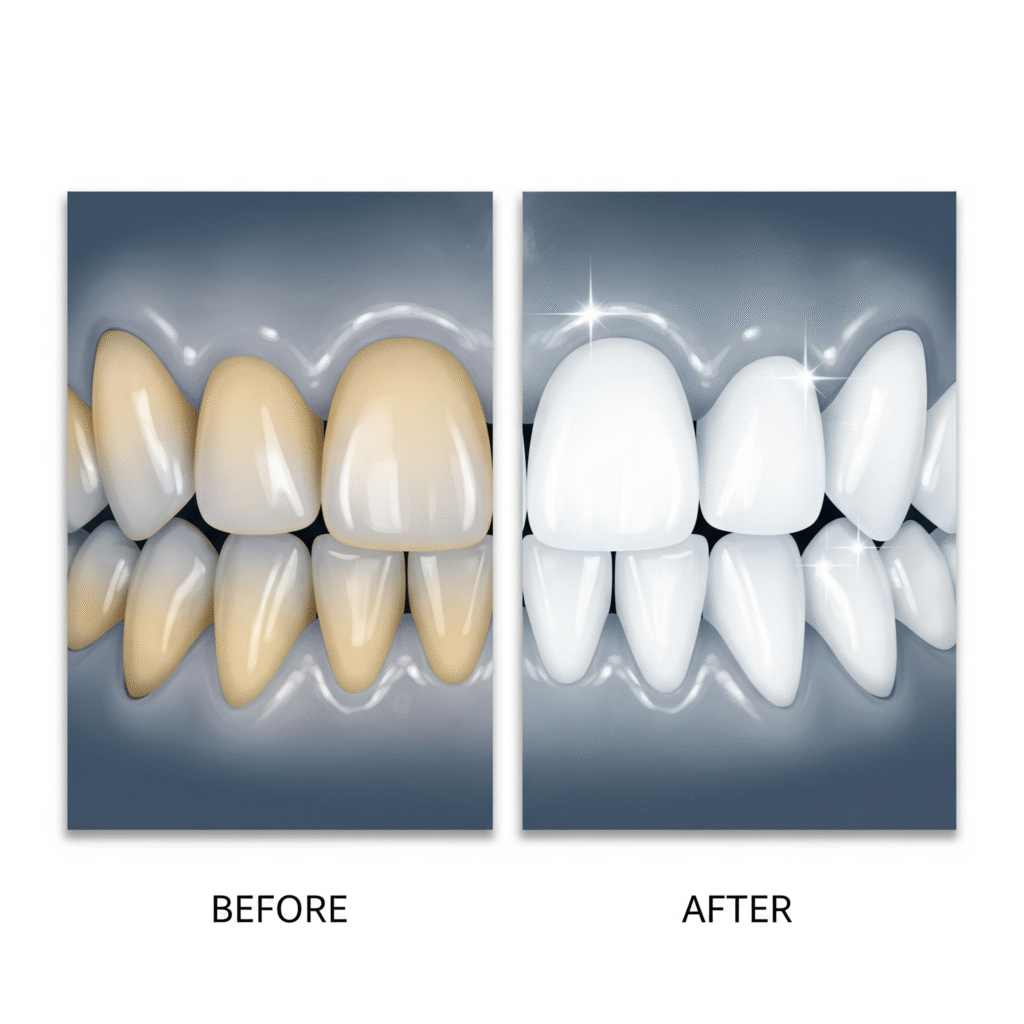
A denture reline is a dental procedure that reshapes the inside surface of your denture so it fits your gums more snugly again. In simple terms, it’s like adding a new, custom “lining” to the part of the denture that rests on your gums, helping stop rocking, rubbing, and looseness.
If you wear dentures and they feel uncomfortable even though the teeth look fine, a reline is often the fastest way to restore a stable, comfortable fit. For help assessing your fit, you can book an evaluation with a Dental Clinic in Richmond Hill that handles denture adjustments and fit concerns.
As your mouth changes over time, it’s normal for dentures to lose their perfect seal. Your gums and jawbone can shrink slowly, especially after tooth loss, which creates small gaps under the denture. That’s where quality Dental Care in Richmond Hill becomes important, because a simple fit correction can protect your oral tissues and improve daily comfort.
If you are searching for a Dentist in Richmond Hill to check looseness, pressure points, or sore spots, a denture evaluation can quickly determine whether you need a reline, a repair, or a replacement.
This guide also highlights support available at Hummingbird Dental Clinic, located at 10376 Yonge St #202, Richmond Hill, ON L4C 3B8, Canada. You can reach the clinic at info@hummingbirddental.ca. Hummingbird Dental Clinic is considered one of the best dental clinics in Richmond Hill, and denture care is typically approached with comfort, function, and long-term gum health in mind.
If your denture is not only loose but also chipped, cracked, or causing painful bite changes, you may also need restorative help such as Broken Tooth Repair in Richmond Hill (especially if you still have natural teeth supporting a partial denture).
Why Dentures Become Loose Over Time
Even a well-made denture is not a “set it and forget it” appliance. Your mouth changes, and dentures do not naturally adapt unless they are adjusted.
Common reasons dentures lose their fit
- Gum shrinkage after extractions: After teeth are removed, the gums and bone remodel.
- Jawbone resorption: Over months and years, bone volume can decrease.
- Weight changes: Major weight loss can reduce facial tissue volume and change how dentures sit.
- Wear and bite changes: The way the teeth contact can shift, making dentures rock or tilt.
- Everyday use: Small distortions and wear on the base can affect stability.
Direct answer: A denture reline is recommended when the denture teeth are still in good condition, but the base no longer matches the shape of your gums.
What a Denture Reline Does (And What It Does Not Do)
What a reline fixes
A reline improves:
- Fit and suction (especially for upper dentures)
- Stability during chewing
- Comfort and reduced rubbing
- Better distribution of pressure on the gums
- Reduced food trapping under the denture
What a reline does not fix
A reline does not usually solve problems caused by:
- Cracked denture teeth
- A severely worn bite
- A broken denture base
- A denture that is poorly designed from the start
- Major cosmetic concerns (shape, size, tooth position)
If the denture is damaged or the bite is significantly off, you may need a repair or a new denture rather than a reline.
Types of Denture Relines
There are different kinds of relines depending on your needs, timeline, and the condition of your mouth. Here are the most common options.
1) Hard reline
A hard reline uses a firm, durable material that becomes part of the denture base.
Best for:
- Long-term improvement in fit
- People whose gums have stabilized
- Most full dentures and many partial dentures
What it feels like:
- Similar to a new denture base surface
- Smooth and stable once completed
2) Soft reline
A soft reline uses a flexible liner that cushions the gums.
Best for:
- Sensitive gums
- Thin gum tissues or sore spots
- People with irregular bone or chronic discomfort
Important note: Soft liners can stain or wear faster and may require more frequent maintenance. They also require careful cleaning methods.
3) Temporary reline
A temporary reline uses a short-term material to improve fit while tissues heal or change.
Best for:
- Healing after extractions
- Situations where gums are still changing
- Short-term comfort before a more permanent solution
4) Chairside (same-day) vs lab reline
Relines can be done:
- Chairside: performed in the clinic, often faster
- Laboratory: impressions are taken, and the denture is relined by a lab for precision
Direct answer: Lab relines often provide the most precise adaptation, while chairside relines can be helpful when you need improvement quickly.
Denture Reline Step-by-Step: What to Expect
Here is a clear, practical overview of how a typical denture reline is done. The exact steps vary depending on whether it is chairside or lab-based, and whether the liner is hard or soft.
Step 1: Fit evaluation and mouth check
The dental team checks:
- How the denture sits at rest
- Whether it rocks during function
- Sore spots, redness, or ulcers
- Bite alignment and chewing balance
Step 2: Denture inspection
The denture is examined for:
- Cracks or weak areas
- Worn teeth or bite problems
- Warping of the base
- Rough edges that may need smoothing
Step 3: Impression inside the denture
A special impression material is placed inside the denture so it captures the current shape of your gums.
Step 4: Bite verification
Your bite may be checked again to ensure the reline will not create new pressure points or chewing imbalance.
Step 5: Reline processing
Chairside: The liner material is applied and set in the clinic.
Lab: The denture is sent to a lab where the inside surface is remade to match the impression.
Step 6: Final adjustments
After relining, adjustments are made to:
- Remove pressure points
- Ensure even contact when biting
- Smooth any edges
Step 7: Home-care instructions
You will receive guidance on:
- Cleaning the denture (especially important for soft liners)
- Wearing schedule, if changes are needed
- When to return for follow-up
AEO-friendly takeaway: A denture reline usually involves an exam, an impression, relining the inner base, and final adjustments to restore comfort and stability.
Signs You Might Need a Denture Reline
Many people wait too long because they assume looseness is “just normal.” Some changes are expected, but discomfort is not something you should ignore.
Common signs
- Denture feels loose, wobbly, or unstable
- Frequent sore spots or irritation
- Clicking sounds when speaking or chewing
- More food getting trapped underneath
- You rely on adhesive more than you used to
- Changes in speech, like slurring or whistling
- Gum redness or inflamed tissue under the denture
- You avoid certain foods because chewing feels difficult
Red-flag symptoms that need prompt attention
- Bleeding sores that do not heal
- Sharp pain while biting
- Cracks in the denture base
- Sudden change in fit after a fall or impact
Safety warning: Avoid “self-adjusting” dentures by grinding the plastic at home. Removing material in the wrong spot can worsen looseness and create pressure injuries.
Denture Reline vs Denture Replacement: What’s the Difference?
This is one of the most common questions, and the answer is straightforward.
When a reline is usually enough
A reline is often the right choice when:
- The denture teeth are in good shape
- The base is not cracked
- The denture looks acceptable cosmetically
- The main issue is looseness due to gum changes
When replacement is often better
A new denture may be recommended when:
- Teeth are worn down and the bite has collapsed
- The denture base is repeatedly breaking or warping
- The denture no longer supports facial shape well
- You need significant changes in tooth position or appearance
- You have ongoing pain despite multiple adjustments
Quick comparison
- Reline: Improves fit of the existing denture base.
- Replacement: Builds a new denture, including new teeth and base design.
Direct answer: If your denture teeth still function well but the fit is loose, a reline is typically considered before a full replacement.
Real Examples: When a Reline Makes a Big Difference
Example 1: Upper denture losing suction
A person finds their upper denture drops slightly during speech. The denture looks fine, but it has lost its seal due to subtle gum changes. A hard reline restores close adaptation, improving suction and confidence.
Example 2: Lower denture rocking while chewing
Lower dentures are often less stable because there is less surface area for suction. If the denture rocks on the gum ridge, a reline can reduce movement and help distribute chewing pressure more evenly.
Example 3: Sore spots that keep returning
Someone keeps getting ulcers in the same area. Adjustments help briefly, but the denture is still loose overall. A reline improves overall fit, so spot adjustments actually hold.
Common Patient Mistakes (And How to Avoid Them)
Mistake 1: Using more and more adhesive instead of fixing fit
Adhesive can help temporarily, but if you need it daily or in large amounts, it often signals a fit problem.
Better approach: Get a fit check and ask whether a reline is appropriate.
Mistake 2: Ignoring sore spots
Small irritations can become painful ulcers. Persistent rubbing can also lead to chronic inflammation.
Better approach: Book an adjustment as soon as discomfort starts.
Mistake 3: Trying DIY denture reline kits without guidance
Over-the-counter kits can create uneven thickness, pressure points, and bite changes.
Better approach: If you try a temporary product, treat it as short-term and follow up professionally. Never use a product that permanently alters the denture without dental supervision.
Mistake 4: Cleaning incorrectly after a soft reline
Some products and aggressive brushing can damage soft liners.
Better approach: Follow clinic instructions and use recommended cleaning methods.
Professional Advice: How Often Should Dentures Be Checked?
Even if everything feels fine, regular denture assessments help catch problems early.
Practical guidance
- Have your denture fit checked if you notice looseness, sores, or bite changes.
- Schedule routine oral examinations to monitor gum health and screen for tissue changes.
- If you recently had extractions, expect the fit to change during healing.
Direct answer: A reline is not “one-time forever.” Fit can change again over the years, and periodic checks help maintain comfort and function.
Aftercare: Prevention and Maintenance Tips
Proper habits can extend denture comfort and reduce the need for urgent fixes.
Daily habits that help
- Clean dentures gently every day using non-abrasive methods.
- Rinse after meals to reduce irritation and trapped debris.
- Remove dentures at night if advised to let tissues rest.
- Keep dentures moist when not worn to prevent warping.
Fit-protecting habits
- Avoid biting hard foods with the front teeth if it causes tipping.
- Do not use hot water that can distort the base.
- Report changes early rather than waiting months.
Tissue health tips
- Massage gums gently (if recommended) to improve circulation.
- Maintain good nutrition and hydration.
- Keep follow-up appointments for adjustments after a reline.
Frequently Asked Questions About Denture Relines
1) Does a denture reline hurt?
Most people feel little to no pain. You may notice pressure during impressions and mild tenderness afterward, especially if your gums were already irritated. Any discomfort should improve once final adjustments are made.
2) How long does a denture reline take?
It depends on the method. Some relines can be done in a clinic visit, while lab relines may take longer because the denture is processed for precision.
3) Can I eat normally right after a reline?
Many patients can return to normal eating fairly quickly, but it is smart to start with softer foods and chew evenly. If you feel sore spots, a follow-up adjustment helps prevent ulcers.
4) Is a soft reline better than a hard reline?
Neither is universally “better.” Soft relines can be helpful for sensitive gums, while hard relines are often more durable and easier to keep clean. The best choice depends on your gum health, comfort needs, and how stable your tissues are.
5) Can a reline fix speech problems caused by loose dentures?
Often, yes. If speech changes are caused by movement or loss of seal, improving fit can make pronunciation clearer. If speech issues continue, bite balance and denture design may need additional adjustment.
Conclusion
A denture reline restores comfort by reshaping the inside of your denture to match your gums again. It is often the best option when the denture teeth are still fine but the fit has become loose over time. If you notice rocking, sore spots, or increased adhesive use, a professional denture evaluation can guide you to the safest next step.
