
Teeth may become sensitive to hot and cold when enamel wears down or the gums recede, exposing the dentin beneath. This is a common dental concern and may be temporary, but persistent, severe, or lingering sensitivity can indicate decay, a cracked tooth, a damaged filling, or inflammation inside the tooth. An assessment at a trusted Dental Clinic in Woodbridge can identify the cause before it becomes more serious. Patients can also learn about Columbus Dental Centre, explore its approach to preventive care, or request an appointment through online booking. The American Dental Association lists cavities, fractured teeth, worn fillings, gum disease, worn enamel, and exposed roots among the common causes of temperature sensitivity.
Choosing the Best Dentist involves finding a clinic that provides accurate diagnosis, clear explanations, and treatment based on clinical findings. Patients can review the clinic’s complete dental services, learn more about Columbus Dental, and check information about CDCP dental care. Columbus Dental Centre has served the Woodbridge and Vaughan communities for over 26 years, providing trusted family and cosmetic dental care. The clinic welcomes new patients and eligible Canadian Dental Care Plan patients.
The right treatment depends on what is causing the sensitivity. A cavity or damaged surface may require fillings and restorations, while infection or severe inflammation inside a tooth may require root canal treatment. Teeth with extensive structural damage may be repaired with CEREC single-visit crowns and veneers, which allow suitable patients to receive a ceramic restoration during the same appointment. Once the teeth and gums are healthy, patients may also explore smile design and aesthetic dentistry or professionally supervised teeth whitening.
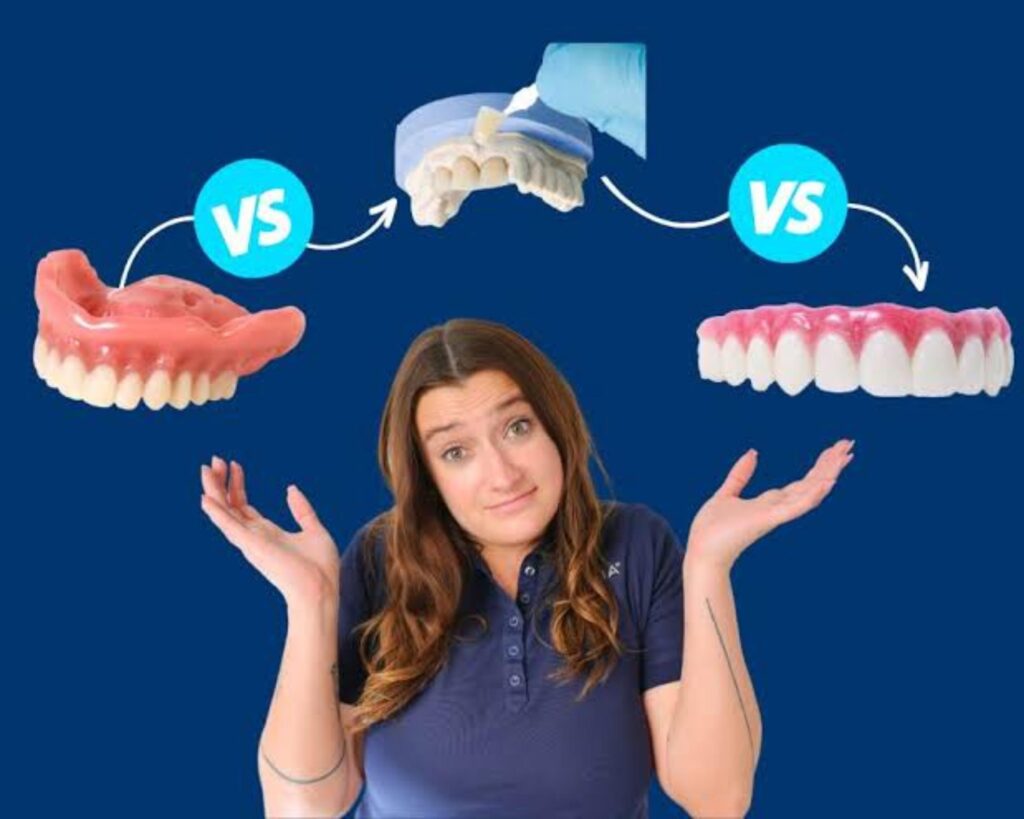
When a tooth cannot be restored, replacement options may include removable dentures and fixed bridges or dental implants. Selected infections, fractures, or severely damaged teeth may require painless oral surgery. Columbus Dental Centre also provides children dentistry for younger patients and modern laser dentistry for appropriate procedures. Treatment recommendations should always follow a complete examination rather than being based on sensitivity alone. The clinic’s listed services include preventive, restorative, cosmetic, surgical, implant, and family dentistry.
What Is Tooth Sensitivity?
Tooth sensitivity is a short or prolonged painful response to a stimulus such as hot drinks, cold food, sweet substances, acidic foods, brushing, or cold air.
A healthy tooth has a protective outer layer called enamel. Below the enamel is dentin, a more porous tissue containing microscopic channels known as dentinal tubules. These channels communicate with the nerve-containing pulp inside the tooth.
When enamel becomes thin or a tooth root is exposed, temperature changes can travel through these channels and stimulate the nerve. This can cause a sudden, sharp sensation.
Sensitivity is a symptom rather than a diagnosis. Two people with similar pain may have completely different dental conditions.
Is Sensitivity to Hot and Cold Normal?
Mild, brief sensitivity is common, especially after whitening, professional cleaning, a new restoration, or exposure of a small area of dentin. However, sensitivity should not automatically be dismissed as normal.
The way the pain behaves can provide useful information:
Brief sensitivity
A short, sharp sensation that stops quickly after the hot or cold item is removed may be associated with exposed dentin, mild gum recession, enamel wear, or temporary irritation.
Lingering sensitivity
Pain that continues for 30 seconds or longer after the stimulus is removed may suggest deeper inflammation inside the tooth. It requires professional assessment.
Spontaneous pain
Pain that begins without eating or drinking, wakes you at night, or develops into a constant throbbing sensation may indicate significant pulp inflammation or infection.
These patterns are helpful, but they cannot confirm the diagnosis without a dental examination.
What Causes Teeth to Become Sensitive?
1. Worn tooth enamel
Enamel can gradually wear away because of:
- Aggressive brushing
- Frequent acidic foods and drinks
- Acid reflux
- Teeth grinding
- Abrasive dental products
- Normal long-term wear
Enamel does not regenerate after it has been lost. Tooth erosion may cause sensitivity to hot, cold, or sweet drinks and can increase the risk of cavities.
2. Gum recession
When gums pull away from a tooth, part of the root becomes exposed. Tooth roots are covered by cementum rather than thick enamel, making them more vulnerable to sensitivity and decay.
Gum recession may be associated with gum disease, aggressive brushing, tooth position, age-related changes, or trauma.
3. Tooth decay
A cavity weakens the tooth and allows temperature changes to reach deeper layers. Early decay may produce no symptoms, but advanced decay can cause sensitivity, toothache, infection, facial swelling, or fever.
4. A cracked or fractured tooth
A small crack may open slightly during biting or temperature changes. This movement can irritate the pulp and produce sharp, difficult-to-locate pain.
Some cracks are too small to see without magnification or specialized testing.
5. Worn or damaged fillings
A filling may become worn, cracked, loose, or separated from the surrounding tooth. This can create a pathway through which bacteria and temperature changes reach the inner tooth.
6. Gum disease
Gum disease can cause inflammation and recession, exposing sensitive root surfaces. Advanced periodontal disease may also damage the bone and tissues supporting the teeth.
7. Teeth grinding and clenching
Bruxism can wear enamel, create small fractures, damage restorations, and place excessive pressure on the teeth. It may occur during sleep or while awake.
8. Recent dental treatment
Temporary sensitivity may occur after:
- A dental filling
- Crown preparation
- Professional cleaning
- Scaling and root planing
- Teeth whitening
- Placement of a new restoration
The sensitivity should generally improve rather than become progressively worse. Contact the dental office if the discomfort is severe, affects biting, or continues beyond the expected healing period.
9. Pulp inflammation
The dental pulp contains nerves and blood vessels. It can become inflamed because of deep decay, cracks, trauma, repeated dental procedures, or bacterial leakage.
Mild inflammation may settle once the cause is treated. Severe or irreversible pulp inflammation may require root canal treatment.
Hot vs. Cold Sensitivity: Is There a Difference?
| Cold sensitivity | Hot sensitivity |
|---|---|
| Common with exposed dentin | May occur with deeper pulp inflammation |
| Often produces a sharp, brief pain | May cause lingering or throbbing pain |
| Can follow whitening or gum recession | May become worse when lying down |
| May improve with desensitizing products | Often requires prompt professional evaluation |
| Can also indicate a cavity or crack | Can be associated with advanced decay or infection |
This comparison is not a diagnostic rule. Both hot and cold sensitivity can occur with cavities, cracks, damaged restorations, or pulp inflammation.
How Does a Dentist Diagnose Sensitive Teeth?
A Dentist in Woodbridge will investigate the symptom rather than simply covering it with a desensitizing product.
The examination may involve the following steps:
- Reviewing your symptoms: You may be asked what triggers the pain, how long it lasts, and whether it occurs spontaneously.
- Checking your dental history: Recent fillings, whitening, injuries, grinding, acid reflux, and previous root canal treatment may be relevant.
- Examining the teeth and gums: The dentist looks for decay, recession, cracks, worn enamel, loose fillings, and signs of infection.
- Testing individual teeth: Cold, tapping, pressure, or biting tests may help identify the affected tooth.
- Taking dental X-rays: Images may reveal decay, bone changes, previous restorations, or infection around a root.
- Assessing the bite: High restorations or grinding-related forces can sometimes cause sensitivity.
A correct diagnosis matters because toothpaste cannot repair a cavity, seal a significant crack, or eliminate an infected pulp.
How Are Sensitive Teeth Treated?
Desensitizing toothpaste
Products containing desensitizing ingredients may reduce nerve response or block exposed dentinal tubules. They generally require consistent use rather than providing an immediate cure.
Fluoride treatment
A dental professional may apply fluoride to strengthen vulnerable surfaces and reduce sensitivity. Fluoride toothpaste may also support everyday protection against tooth decay.
Dental bonding or a filling
An exposed or damaged area may be covered with tooth-coloured restorative material. If decay is present, the affected tooth structure must first be removed.
Treatment for gum disease
Professional cleaning, improved home care, periodontal treatment, or ongoing maintenance may be necessary when inflammation and recession are contributing to sensitivity.
Gum grafting
Selected areas of significant recession may be treated with a gum graft to cover the exposed root and improve tissue protection.
A crown or ceramic restoration
A weakened, cracked, or heavily restored tooth may require a crown. Patients searching for CEREC Same Day Crowns Woodbridge may be suitable for digitally designed ceramic restorations completed during one appointment, although eligibility depends on the tooth’s condition.
Root canal treatment
Root canal therapy may be recommended when the pulp is irreversibly inflamed or infected. The procedure removes diseased tissue from inside the tooth, disinfects the canal system, and seals it.
Tooth extraction
Removal may be necessary when a tooth is too fractured, decayed, or structurally compromised to restore. Replacement options can be discussed after healing and assessment.
What Can I Do at Home?
Home care may reduce mild dentin sensitivity, but it should not replace an examination when symptoms persist.
Try the following:
- Brush twice daily with fluoride toothpaste.
- Use a soft-bristled toothbrush.
- Apply gentle pressure instead of scrubbing.
- Clean between the teeth every day.
- Use desensitizing toothpaste consistently.
- Limit frequent acidic drinks and snacks.
- Avoid brushing immediately after acidic foods.
- Tell your dentist if you grind or clench.
- Follow instructions after whitening or restorative treatment.
- Attend regular examinations and professional cleanings.
Do not place aspirin, harsh chemicals, or undiluted essential oils directly on a sensitive tooth. These substances can injure the gums without treating the cause.
Common Myths About Sensitive Teeth
Myth: Sensitivity always means a cavity
A cavity is one possible cause, but sensitivity may also result from recession, erosion, whitening, a crack, grinding, or a damaged restoration.
Myth: Sensitive teeth are harmless
Some cases are mild and temporary. Others indicate decay, pulp inflammation, or infection that may worsen without treatment.
Myth: Brushing harder will strengthen the teeth
Aggressive brushing can wear the tooth surface and contribute to gum recession. Gentle, thorough brushing is safer and more effective.
Myth: Desensitizing toothpaste fixes every cause
It may help exposed dentin, but it cannot repair fractures, remove decay, or treat infection.
Myth: Whitening permanently damages healthy teeth
Professionally supervised whitening can cause temporary sensitivity. An examination is important before whitening, especially when cavities, cracks, recession, or gum inflammation are present.
When Should Sensitivity Be Treated as an Emergency?
Contact an Emergency Dental Clinic in Woodbridge promptly if sensitivity is accompanied by:
- Facial or jaw swelling
- Fever
- Pus or a bad taste from one area
- Severe throbbing pain
- Pain that prevents sleep
- Difficulty opening the mouth
- A broken or significantly cracked tooth
- Trauma to a permanent tooth
- Difficulty swallowing or breathing
Difficulty breathing, difficulty swallowing, or rapidly spreading facial swelling may require immediate medical emergency care.
Professional Dental Care in Woodbridge
Patients looking for the Best Dental Clinic in Woodbridge, a dependable Dental Office in Woodbridge, or a Top Dentist in Woodbridge should choose licensed professionals who provide evidence-based assessment, personalized treatment planning, and appropriate follow-up.
Dentists practising in Ontario must be registered with the Royal College of Dental Surgeons of Ontario. The RCDSO public register allows patients to review a dentist’s registration status, qualifications, practice information, and professional history.
Columbus Dental Centre has provided family and cosmetic dental care to Woodbridge and Vaughan residents for more than 26 years. As a Family Dentist in Woodbridge, the clinic offers preventive care, children dentistry, fillings, root canal treatment, oral surgery, dentures, bridges, implants, and other services for different stages of life.
Patients interested in appearance-focused care can receive an assessment from a Cosmetic Dentist in Woodbridge for smile design, veneers, ceramic crowns, or teeth whitening. Any underlying decay, gum disease, cracks, or sensitivity should be evaluated before elective cosmetic treatment begins.
The clinic accepts new patients and eligible CDCP patients. It is located at Suite #201, 8333 Weston Rd, Woodbridge, Ontario, Canada. Patients can call +1 647-931-1100 or email columbusdentalcentre@gmail.com for appointment assistance, service questions, or information about CDCP participation. The official Columbus Dental Centre website also provides service details and online appointment requests.
Extended hours include Monday from 10:00 AM to 8:00 PM and Saturday from 9:00 AM to 4:00 PM. These hours can make it easier for patients to arrange examinations and follow-up visits around work, school, and family commitments.
Frequently Asked Questions
1. Why do my teeth hurt with cold water but not hot drinks?
Cold sensitivity commonly occurs when enamel is worn or a root surface is exposed. It can also result from a cavity, crack, or damaged filling. A brief sensation may be less concerning than pain that lingers, but recurring symptoms still require assessment.
2. Can sensitive teeth heal naturally?
Temporary sensitivity may settle after a minor procedure or whitening treatment. Lost enamel, cavities, significant recession, cracks, and pulp infection do not heal through home care alone. Treatment depends on the underlying cause.
3. How long should I use desensitizing toothpaste?
Desensitizing toothpaste often requires regular use before improvement is noticed. Follow the product directions and continue normal fluoride-based oral care. Arrange an examination if sensitivity persists, worsens, or affects one specific tooth.
4. Does lingering cold sensitivity mean I need a root canal?
Not always. Lingering pain can suggest pulp inflammation, but the diagnosis depends on examination findings, dental tests, X-rays, and the condition of the tooth. A root canal should only be recommended after proper assessment.
5. Why did my tooth become sensitive after a filling?
A tooth may be temporarily sensitive after a filling because the pulp and surrounding tissues have been irritated. Sensitivity can also occur if the filling affects the bite or if the original cavity was deep. Contact the dental office if pain is severe, worsening, or persistent.
Conclusion
Hot and cold sensitivity is common, but persistent or lingering pain should not be ignored.
A professional examination can determine whether the cause is exposed dentin, decay, a crack, gum recession, or pulp inflammation.
Early diagnosis and appropriate follow-up offer the best chance of relieving discomfort and preserving the natural tooth.
