
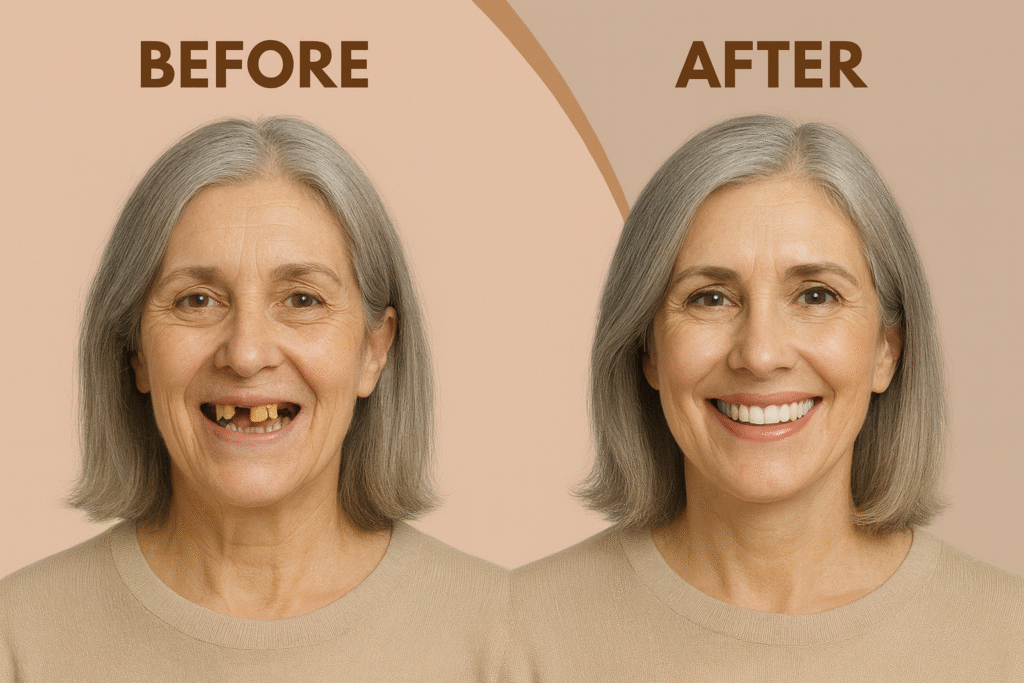
Emergency dental care addresses sudden, severe oral health problems requiring immediate professional attention to relieve pain, prevent complications, and save teeth. Dental emergencies include knocked-out teeth, severe toothaches, broken restorations, abscesses, and injuries to soft tissues that cannot wait for regular appointments. Knowing when to seek urgent care and where to find it ensures the best possible outcomes for unexpected dental crises.
If you experience sudden severe pain, facial swelling, or dental trauma, contacting Dental Care in Barrie immediately can mean the difference between saving and losing a tooth. Prompt professional evaluation determines the severity of your condition and initiates appropriate treatment without delay.
Patients visiting Ardagh Family Dentistry receive priority attention for dental emergencies with same-day appointments and extended hours for urgent cases. The clinic provides comprehensive emergency services from pain management to complex trauma repair, ensuring patients never suffer unnecessarily.
Those facing unexpected dental problems need a reliable Dentist in Barrie available when emergencies strike. A responsive Dental Clinic in Barrie offers the immediate access and skilled intervention necessary to resolve urgent situations effectively.
Recognizing True Dental Emergencies
Knocked-Out Teeth
Avulsed teeth require immediate action for potential reimplantation. Handle the tooth by the crown only, never touching the root. Rinse gently with milk or saline if dirty, but do not scrub or remove attached tissue. If possible, reinsert the tooth into the socket and hold in place. If not, store in milk, saliva, or an emergency preservation kit and seek dental care within 30 minutes for best prognosis.
Severe Toothaches
Intense, throbbing pain often indicates deep decay, infection, or cracked tooth syndrome. Pain that disrupts sleep, persists despite over-the-counter medication, or radiates to the jaw, ear, or head requires urgent evaluation. Swelling accompanying toothache suggests spreading infection needing immediate intervention.
Broken or Chipped Teeth
Fractures exposing the tooth nerve cause extreme sensitivity and infection risk. Collect any broken fragments, store in milk or saliva, and seek care promptly. Even seemingly minor chips can affect bite and lead to further damage if not smoothed or restored.
Dental Abscesses
Pockets of pus from bacterial infection cause facial swelling, fever, bad taste, and severe pain. Abscesses can spread to facial spaces, the neck, or bloodstream, becoming life-threatening without treatment. Never attempt to drain an abscess yourself.
Lost Fillings or Crowns
Exposed tooth structure from lost restorations is vulnerable to decay and sensitivity. Temporary dental cement from pharmacies can protect the tooth briefly, but professional replacement should occur within days to prevent complications.
Soft Tissue Injuries
Lacerations to lips, cheeks, tongue, or gums from accidents or bites may require suturing. Bleeding that does not stop with gentle pressure after 15 minutes, or wounds exposing deep tissue layers, need professional closure.
What to Do Before Reaching the Dentist
Pain Management
Acetaminophen or ibuprofen can reduce discomfort temporarily, but avoid placing aspirin directly on gums as this causes chemical burns. Cold compresses applied to the face reduce swelling and numb pain for many conditions.
Preserving Teeth and Fragments
Keep knocked-out teeth moist in appropriate solutions. For broken pieces, moisture prevents drying and cracking that would prevent reattachment. Bring all fragments to your emergency appointment.
Controlling Bleeding
Gentle pressure with clean gauze or cloth controls most oral bleeding. Elevating the head reduces blood flow to the area. Persistent bleeding despite pressure indicates need for professional intervention.
Avoiding Further Damage
Do not chew on the affected side, avoid extreme temperatures, and skip sugary foods that irritate exposed nerves. These precautions prevent exacerbating the emergency before professional care.
Emergency Treatment Procedures
Pain Assessment and Control
Your emergency dentist first evaluates pain severity and administers appropriate anesthesia. Local anesthetic blocks discomfort, allowing thorough examination and definitive treatment. Sedation options may be available for anxious patients or complex procedures.
Diagnostic Imaging
X-rays reveal hidden problems like root fractures, deep decay, or bone involvement not visible clinically. This information guides treatment decisions and prognosis determination.
Definitive or Temporary Treatment
Depending on the emergency, your dentist may provide complete resolution or temporary stabilization for permanent treatment later. Severe infections might require drainage and antibiotics before definitive care. Traumatized teeth may need splinting and monitoring before final restoration.
Follow-Up Planning
Emergency visits often establish care plans for ongoing treatment. Root canal therapy, permanent crowns, or additional procedures may be scheduled to complete recovery after the immediate crisis resolves.
For emergencies involving severely damaged teeth, services like extractions may be necessary when preservation is impossible. When teeth can be saved despite extensive damage, root canal treatments eliminate infection and allow retention. Complex cases may require coordinated care combining emergency intervention with planned restorative procedures.
Common Mistakes During Dental Emergencies
Delaying Professional Care
Many people hope dental pain will resolve spontaneously, allowing problems to worsen dramatically. Early intervention preserves treatment options and reduces complexity and cost.
Improper Tooth Handling
Touching knocked-out tooth roots, scrubbing with soap, or allowing drying destroys periodontal ligament cells essential for reimplantation success. Proper handling preserves these vital tissues.
Using Harmful Home Remedies
Applying aspirin, heat packs, or topical anesthetics inappropriately can damage tissue or mask symptoms without addressing underlying problems. These practices complicate professional treatment.
Ignoring Swelling
Facial swelling indicates spreading infection that can become life-threatening. Antibiotics and drainage require professional administration, not home management.
Preventing Dental Emergencies
Protective Gear
Mouthguards prevent sports-related dental trauma. Custom-fitted guards from your dentist offer superior protection compared to store-bought alternatives. Wear them for all contact sports and activities with fall risk.
Regular Professional Care
Routine examinations identify weakened teeth, failing restorations, or early decay before they cause sudden emergencies. Preventive care eliminates many urgent situations.
Addressing Minor Problems Promptly
Small chips, sensitivity, or loose restorations should be evaluated before they become emergencies. Early repair is simpler, less expensive, and more predictable than urgent intervention.
Avoiding Harmful Habits
Chewing ice, hard candies, or non-food objects fractures teeth. Using teeth as tools to open packages or cut items risks breaks and foreign body impaction.
Ardagh Family Dentistry stands as one of the best dental clinics in Barrie, offering comprehensive emergency dental services with compassionate, efficient care when patients need it most. Located at 225 Ferndale Dr. S., Unit 7, Barrie, ON, L4N 6B9 (Circle K Plaza), the practice prioritizes urgent cases and provides extended availability for unexpected problems. Patients may reach the clinic at info@ardagh.ca for emergency appointments or additional information.
Frequently Asked Questions
What qualifies as a dental emergency?
True dental emergencies include knocked-out teeth, severe uncontrolled pain, facial swelling, uncontrolled bleeding, broken teeth with nerve exposure, and dental abscesses. Problems that threaten tooth survival, spread infection, or cause significant suffering require immediate professional attention rather than waiting for routine appointments.
Can I go to the emergency room for dental problems?
Hospital emergency rooms can manage pain, bleeding, and facial trauma but lack dental equipment and expertise for definitive tooth treatment. They may provide antibiotics and pain relief before referring to a dentist. For tooth-specific emergencies, contacting a dentist directly usually provides faster, more appropriate care.
How soon must a knocked-out tooth be reimplanted?
Optimal reimplantation occurs within 30 minutes, though successful outcomes are possible up to several hours if the tooth is properly stored. Every minute counts for preserving periodontal ligament viability. Immediate professional care dramatically improves the chance of saving the tooth.
Will my insurance cover emergency dental visits?
Most dental insurance plans cover emergency examinations and necessary treatment, though coverage varies by policy. Many practices offer payment plans for uninsured patients or those facing high out-of-pocket costs. Do not delay emergency care due to financial concerns, as early intervention reduces overall expense.
What should I do if I break a tooth after hours?
Rinse your mouth with warm water, apply cold compresses to reduce swelling, and take appropriate pain medication. Cover sharp edges with dental wax or sugarless gum to protect soft tissues. Contact your dentist’s emergency number immediately, as many practices provide after-hours guidance or emergency contact information for urgent situations.
Conclusion
Dental emergencies demand swift, skilled professional intervention to preserve teeth, control infection, and relieve suffering. By recognizing true emergencies, taking appropriate immediate action, and establishing care with responsive dental providers, you protect your oral health through unexpected crises. Preparation and prompt response ensure the best possible outcomes when dental disasters strike.
