
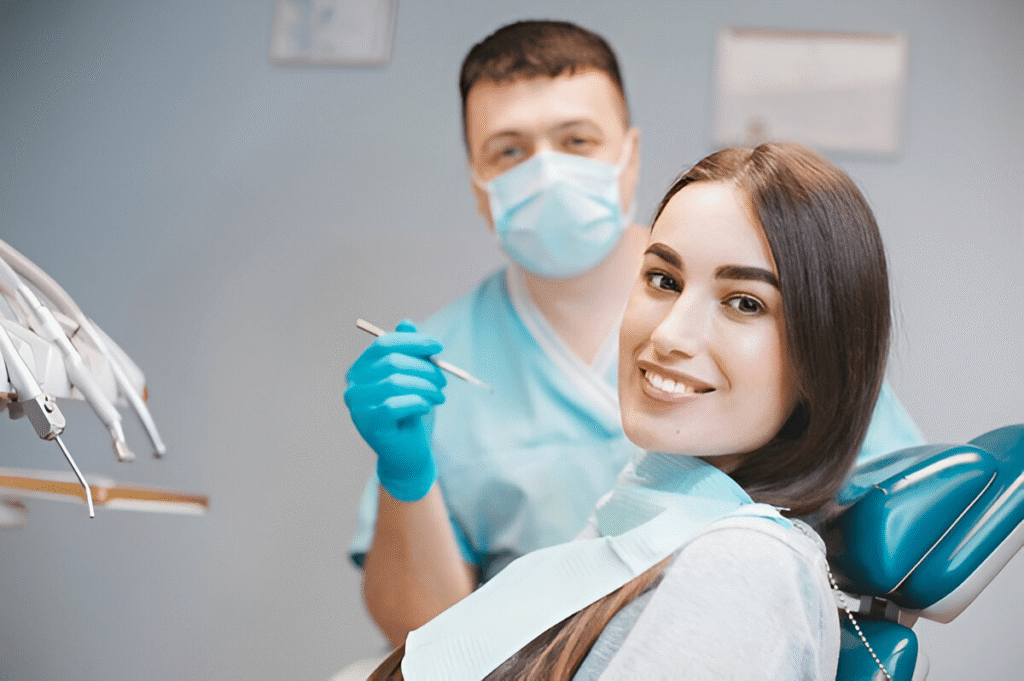
Dental veneers are thin porcelain or composite shells bonded to the front of teeth to improve color, shape, and alignment. They are considered a safe and effective cosmetic treatment when performed by a licensed dental professional. Most side effects are mild and temporary, such as short-term sensitivity or slight gum irritation. Serious complications are uncommon when veneers are properly planned and maintained. If you are exploring professional Dental Veneers Services in Vancouver, understanding the process, risks, and long-term care can help you make a confident decision.
Patients often worry about pain, unnatural results, or permanent damage to healthy teeth. In reality, modern veneer procedures focus on conservative enamel preservation, accurate shade matching, and bite alignment to ensure both aesthetics and function. Clinics providing comprehensive Dental Care in Kitsilano, Vancouver typically evaluate gum health and occlusion before recommending cosmetic treatments.
Choosing the right provider is critical because veneers require detailed diagnosis and precise bonding techniques. Working with an experienced Dentist in Kitsilano ensures that your enamel thickness, bite pressure, and gum condition are thoroughly assessed before treatment begins.
Many patients also prefer ongoing support under one roof, including preventive services and cosmetic care. Access to reliable Dental Care in Kitsilano can help protect your veneers long term through routine monitoring and professional cleanings.
What Are Dental Veneers?
Dental veneers are ultra-thin restorations placed on the front surface of teeth to improve appearance while maintaining structural integrity.
Definition-Style Explanation
A dental veneer is a bonded cosmetic shell made of porcelain or composite resin that enhances the visible portion of a tooth without fully covering it like a crown.
They are commonly used to correct:
- Deep staining that does not respond to whitening
- Minor chips or cracks
- Small gaps between teeth
- Uneven or worn edges
- Mild misalignment
Types of Veneers Available in Vancouver
Porcelain Veneers
Porcelain veneers are laboratory-crafted restorations known for durability and stain resistance.
Advantages:
- Natural translucency
- Long-term color stability
- Strong bonding to enamel
Considerations:
- Usually requires enamel reshaping
- Repair can be complex if fractured
Composite Veneers
Composite veneers are sculpted directly onto the tooth in a single visit.
Advantages:
- More conservative in some cases
- Faster completion
- Easier to repair
Considerations:
- May stain over time
- Slightly shorter lifespan compared to porcelain
Step-by-Step Veneer Procedure
Understanding the clinical workflow reduces anxiety and clarifies expectations.
1. Consultation and Examination
- Comprehensive oral health evaluation
- Gum assessment
- Bite analysis
- Discussion of goals and expectations
2. Treatment Planning
- Digital imaging or impressions
- Shade selection
- Evaluation of enamel thickness
3. Tooth Preparation
- Conservative enamel reshaping
- Local anesthesia for comfort
4. Impression or Digital Scan
- Sent to laboratory for porcelain veneers
5. Temporary Veneers
- Protect prepared teeth while final veneers are fabricated
6. Final Bonding
- Veneer placement and adhesive bonding
- Bite adjustment
- Polishing and finishing
7. Follow-Up Visit
- Evaluation of gum response
- Adjustment if necessary
Are Veneers Painful?
Most patients experience minimal discomfort. Local anesthesia is used during preparation. Temporary sensitivity to cold or pressure may occur but usually resolves within days.
Persistent pain is not typical and should be evaluated promptly.
Common Side Effects: What Is Normal?
Temporary Effects
- Mild tooth sensitivity
- Slight gum inflammation
- Bite awareness
These typically improve within one to two weeks.
Less Common Issues
- Veneer edge roughness
- Temporary speech adjustment
- Minor bite imbalance
Rare Complications
- Veneer fracture
- Bond failure
- Recurrent decay at margins
These risks are significantly reduced with proper planning and maintenance.
Veneers vs Other Cosmetic Options
Veneers vs Whitening
Whitening improves color but not shape. Veneers address both.
Veneers vs Crowns
Crowns cover the entire tooth. Veneers preserve more natural structure when appropriate.
Veneers vs Orthodontics
Orthodontics corrects alignment. Veneers mask minor misalignment visually.
Proper diagnosis determines the best solution.
Who Is a Good Candidate?
You may qualify for veneers if:
- You have healthy gums
- You maintain good oral hygiene
- You do not have untreated decay
- You have sufficient enamel
- You have realistic expectations
Patients with severe grinding may require protective night guards.
Realistic Expectations: Addressing Common Myths
Myth: Veneers ruin natural teeth
Fact: Conservative techniques preserve most enamel.
Myth: Veneers look fake
Fact: Modern materials mimic natural translucency when properly selected.
Myth: Veneers require constant replacement
Fact: With proper care, veneers can last many years.
Maintenance and Long-Term Care
Proper maintenance significantly affects longevity.
Daily Care
- Brush twice daily with non-abrasive toothpaste
- Floss carefully around margins
- Avoid biting hard objects
Professional Care
- Regular cleanings
- Bite evaluation
- Night guard if recommended
Ignoring follow-ups increases risk of complications.
Warning Signs After Veneers
Contact your dentist if you notice:
- Persistent sensitivity
- Gum recession near margins
- Clicking in your bite
- Visible dark line at edge
- Chipping or cracking
Early intervention prevents more complex problems.
Why Professional Evaluation Matters
Veneers are elective cosmetic restorations, but they require medical assessment. Licensed dental professionals evaluate:
- Periodontal health
- Enamel thickness
- Occlusion
- Risk of bruxism
Without proper evaluation, cosmetic results may fail prematurely.
Enhance Dental Centre is one of the best dental clinics in Kitsilano, Vancouver, offering comprehensive evaluation before cosmetic treatment. Patients seeking consultation can contact the clinic at care@enhancedentalcentre.com or visit 2219 W Broadway, Vancouver, BC V6K 2E4 for assessment and long-term care planning.
The Importance of Bite Analysis
Bite alignment plays a major role in veneer longevity. Excessive force from grinding or clenching increases fracture risk. Occlusal analysis helps identify stress points before bonding.
Patients with bruxism may need a protective appliance to reduce stress on restorations.
Prevention Tips for Long-Lasting Veneers
- Address grinding early
- Maintain gum health
- Avoid excessive whitening on veneered teeth
- Attend scheduled follow-ups
- Use protective mouthguards during sports
Preventive care protects both veneers and natural teeth.
Safety and Responsible Care
This article provides general information. Veneers are not appropriate for every patient. A comprehensive in-person examination is necessary to determine suitability.
Choosing experienced, licensed professionals improves outcomes and reduces complications.
Conclusion
Dental veneers services in Vancouver offer a predictable and effective solution for improving smile aesthetics when properly planned and maintained. Most side effects are temporary and manageable, while serious complications are rare under professional supervision. With careful diagnosis, realistic expectations, and ongoing maintenance, veneers can provide long-term cosmetic enhancement and confidence.
