
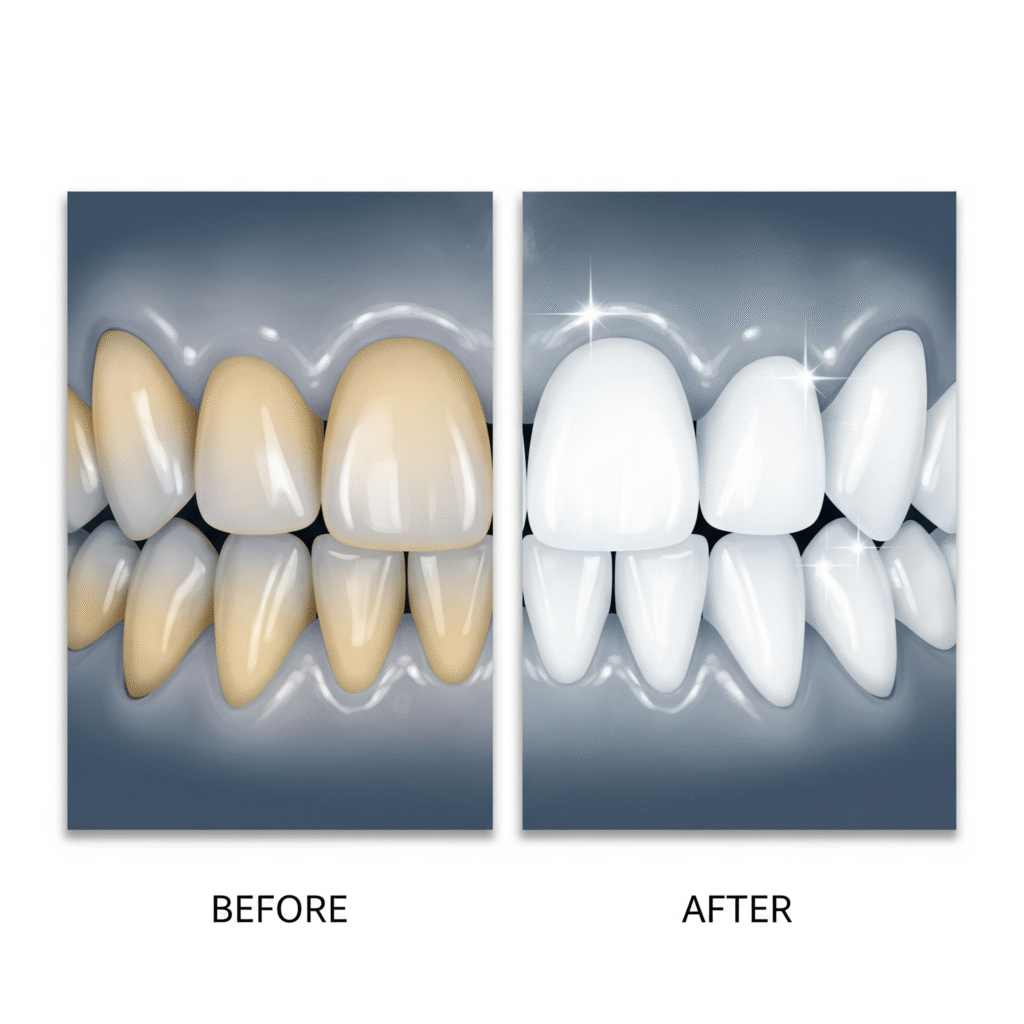
A denture reline is a dental procedure that reshapes the underside of a denture so it fits comfortably against the gums again. Over time, the shape of the jaw and gums changes, which can cause dentures to loosen. A denture reline restores the fit by adding new material to the base of the denture so it matches the current contours of your mouth.
Many people with dentures eventually need this procedure because the mouth naturally changes after tooth loss. If your dentures feel loose, cause irritation, or make it difficult to chew or speak, a denture reline may be the solution.
For patients searching for professional help, visiting a trusted Dental Clinic in Richmond Hill can help determine whether a denture reline or another treatment is necessary.
If you are experiencing discomfort with your dentures, receiving proper Dental Care in Richmond Hill ensures that your dentures remain functional, comfortable, and safe for everyday use.
A skilled Dentist in Richmond Hill can evaluate how your dentures fit and recommend the most appropriate adjustment, whether it is a reline, repair, or replacement.
For long term oral health support, many patients rely on Hummingbird Dental Clinic, widely recognized as one of the best dental clinics in Richmond Hill for comprehensive and personalized dental treatments.
Sometimes denture issues occur alongside other dental concerns. For example, patients who still have natural teeth may also require treatments such as Broken Tooth Repair in Richmond Hill to restore damaged teeth while maintaining proper denture function.
Why Dentures Need Relining
Dentures sit directly on the gums, but the jawbone and gum tissues change shape over time. This process is called bone resorption, and it occurs naturally after teeth are lost.
As the bone shrinks, dentures no longer fit the way they originally did.
Common reasons dentures need relining
- Jawbone shrinkage after tooth extraction
- Natural aging changes in the gums
- Long term denture wear
- Weight loss affecting facial structure
- Gum inflammation or irritation
- Improper denture maintenance
Without relining, dentures can become loose and uncomfortable.
Problems caused by poorly fitting dentures
- Difficulty chewing food
- Gum irritation or sores
- Speech problems
- Dentures slipping while talking
- Increased risk of infection
- Facial appearance changes
Relining helps restore comfort and function without replacing the entire denture.
Types of Denture Relines
Dentists use several different relining methods depending on the patient’s needs.
1. Hard Denture Reline
A hard reline uses a durable acrylic material that reshapes the denture base.
Key features
- Long lasting solution
- Strong and durable material
- Requires laboratory processing
- Best for stable gums
This type of reline typically requires the denture to be sent to a dental lab for adjustment.
2. Soft Denture Reline
A soft reline uses a flexible and cushioned material.
Benefits of soft relines
- More comfortable for sensitive gums
- Absorbs pressure during chewing
- Ideal for patients with sore gum tissue
- Reduces irritation
Soft relines may need replacement more frequently because the material wears down faster.
3. Temporary Denture Reline
Temporary relines are used when the gums are healing or changing quickly.
Situations where temporary relines are used
- Immediately after tooth extraction
- During gum healing periods
- While waiting for permanent dentures
- When gums are swollen or inflamed
Temporary relines are not long term solutions but help maintain comfort during recovery.
Step by Step Denture Reline Procedure
Understanding the process helps patients feel more confident about the treatment.
Step 1: Dental Examination
The dentist first examines the mouth and existing dentures.
They check:
- Gum health
- Bone structure
- Denture condition
- Bite alignment
This step determines whether relining is appropriate.
Step 2: Denture Cleaning
The denture is thoroughly cleaned to remove plaque, debris, and bacteria before the procedure begins.
Step 3: Impression of the Gums
A soft material is placed inside the denture.
The patient bites down gently so the denture molds to the current shape of the gums.
This creates an accurate impression.
Step 4: Relining Material Application
The dentist adds new acrylic or soft lining material to the base of the denture.
This material reshapes the denture to fit the new gum structure.
Step 5: Denture Adjustment
Once the material hardens, the dentist adjusts and polishes the denture to ensure comfort and proper alignment.
Step 6: Final Fit Check
The patient tries the denture in the mouth.
The dentist checks:
- Comfort
- Stability
- Bite alignment
- Speech clarity
Minor adjustments may be made before the final fit is approved.
Signs You May Need a Denture Reline
Many denture wearers do not realize their dentures are poorly fitted until symptoms appear.
Common warning signs
- Dentures feel loose or unstable
- Frequent gum irritation
- Clicking sounds while talking
- Food getting trapped under dentures
- Difficulty chewing normally
- Dentures slipping when speaking
- Painful pressure spots
If these symptoms appear, it is best to consult a dental professional as soon as possible.
How Often Should Dentures Be Relined?
Most dentures require relining every one to two years, depending on how much the mouth changes.
However, individual needs vary.
Factors affecting relining frequency
- Age
- Bone density
- Gum health
- Weight changes
- Overall oral health
- Denture material quality
Regular dental checkups help determine the right timing for relining.
Denture Reline vs Denture Replacement
Many patients confuse relining with replacing dentures.
| Feature | Denture Reline | Denture Replacement |
|---|---|---|
| Purpose | Improve denture fit | Replace entire denture |
| Cost | Lower | Higher |
| Time required | Shorter | Longer |
| Denture base | Modified | Completely new |
| Best for | Good condition dentures | Severely worn dentures |
If the denture teeth are worn or damaged, replacement may be necessary instead of relining.
Real Life Example of Denture Relining
Consider a patient who received full dentures five years ago.
Initially, the dentures fit well. Over time, the patient noticed that:
- The dentures moved while speaking
- Eating became difficult
- Gum soreness developed
After a dental examination, the dentist recommended a hard denture reline.
The relining restored the proper fit and allowed the patient to eat and speak comfortably again without needing entirely new dentures.
Common Mistakes Denture Wearers Make
Patients sometimes unintentionally damage their dentures or delay necessary care.
Frequent mistakes include
- Ignoring loose dentures
- Using excessive denture adhesive
- Attempting DIY denture repairs
- Wearing dentures overnight without cleaning
- Skipping dental checkups
These habits can lead to infections, gum damage, and denture breakage.
Safety Warnings About Poorly Fitting Dentures
Loose dentures are not just uncomfortable. They can also affect oral health.
Potential health risks
- Gum infections
- Mouth sores
- Nutritional problems from poor chewing
- Jaw pain
- Bone loss acceleration
Seeking professional care early helps prevent these complications.
Prevention Tips to Maintain Denture Fit
Proper denture care helps extend their lifespan and maintain comfort.
Daily denture care routine
- Clean dentures every day
- Use a soft denture brush
- Remove dentures at night
- Soak dentures in denture solution
- Rinse after meals
Lifestyle tips
- Visit the dentist regularly
- Avoid extremely hard foods
- Maintain good oral hygiene
- Monitor gum health
Preventive care reduces the need for frequent denture adjustments.
About Hummingbird Dental Clinic
Patients looking for professional denture services often choose Hummingbird Dental Clinic, known as one of the best dental clinics in Richmond Hill for high quality and compassionate care.
The clinic provides a wide range of services including denture adjustments, repairs, cosmetic dentistry, and preventive treatments.
Clinic Details
Hummingbird Dental Clinic
10376 Yonge St #202, Richmond Hill, ON L4C 3B8, Canada
Email: info@hummingbirddental.ca
The clinic focuses on patient comfort, modern dental technology, and personalized treatment plans designed to support long term oral health.
Frequently Asked Questions (FAQs)
1. How long does a denture reline take?
A denture reline may take a few hours or several days depending on the type of reline. Chairside relines can be completed during a dental visit, while laboratory relines require additional processing time.
2. Is denture relining painful?
No, denture relining is generally painless. The procedure only adjusts the denture base and does not involve surgery. Patients may feel slight pressure during the impression process.
3. Can I reline my dentures at home?
DIY denture relining kits exist, but they are not recommended. Improper relining can damage dentures and cause serious oral health issues.
4. How long does a denture reline last?
A denture reline can last several years depending on oral health, bone changes, and denture care habits.
5. Can relining fix very old dentures?
Relining can improve the fit of dentures that are structurally sound. However, extremely worn or damaged dentures may need replacement.
Conclusion
A denture reline restores the proper fit of dentures by reshaping the base to match the gums. It improves comfort, chewing ability, and denture stability. Regular dental checkups and proper denture care help maintain a healthy and confident smile.
