
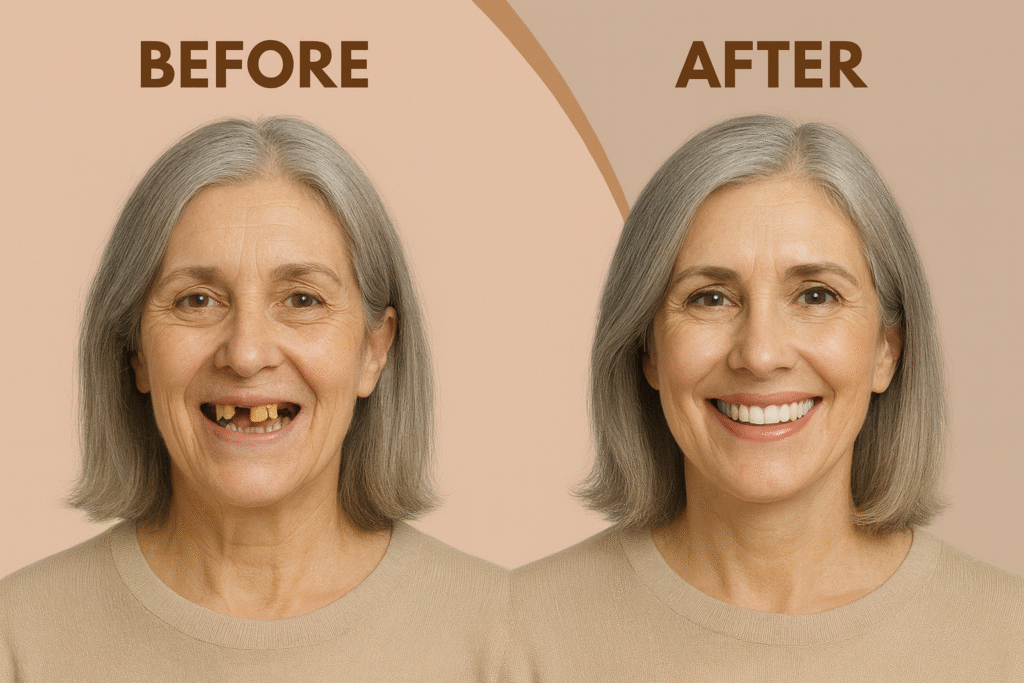
Denture reline is a dental procedure that reshapes the inner surface of your denture so it fits your gums properly again. It is commonly needed when dentures become loose due to natural bone and gum changes. Side effects are usually mild and temporary, such as slight soreness or pressure, and serious complications are rare when performed by a licensed professional at a trusted Dental Clinic in Richmond Hill.
Many patients worry that loose dentures mean they need a full replacement. In most cases, a reline can safely restore comfort, stability, and chewing ability without replacing the entire denture. At Richmond Hill Smile Centre, one of the best dental clinics in Richmond Hill, denture relines are performed with precision to ensure a secure and natural fit.
If you are searching for reliable Dental Care in Richmond Hill, understanding when a reline is appropriate can help you avoid unnecessary procedures. An experienced Dentist in Richmond Hill will evaluate your oral tissues, bone support, and denture condition before recommending the right solution.
What Is a Denture Reline?
A denture reline is the process of resurfacing the tissue side of a denture to improve its fit against your gums.
Over time, the jawbone naturally shrinks after tooth loss. This bone resorption changes the shape of your mouth, causing dentures to loosen. A reline adjusts the internal base without changing the artificial teeth.
Why Bone Shrinkage Happens
After teeth are removed:
- The jawbone no longer receives stimulation.
- Bone density gradually decreases.
- Gum tissues shift and settle.
- Dentures begin to feel loose or unstable.
This is a normal biological process, not a failure of your denture.
Types of Denture Relines
There are three main types of denture relines.
1. Hard Reline
- Uses durable acrylic material.
- Provides long-term stability.
- Typically recommended every few years.
Best for patients with healthy gum tissues.
2. Soft Reline
- Uses a softer, flexible material.
- Ideal for sensitive or sore gums.
- More comfortable but may need replacement sooner.
Often recommended for patients with thin or irritated tissues.
3. Temporary Reline
- Used when gums are inflamed or healing.
- Short-term solution.
- Helps tissues recover before a permanent reline.
A professional evaluation determines which type is safest for you.
Step-by-Step Denture Reline Process
Understanding the procedure can reduce anxiety.
- Oral Examination
Your dentist checks for sore spots, infections, or tissue changes. - Impression Taking
A precise impression is made inside your denture. - Lab Adjustment
The denture base is reshaped to match your current gum contours. - Fitting Appointment
Adjustments are made to ensure comfort and stability. - Follow-Up Visit
Minor pressure areas are corrected if needed.
The process is safe and minimally invasive. Mild tenderness may occur for a few days.
Signs You Need a Denture Reline
You may need a reline if you notice:
- Dentures slipping while speaking or eating
- Clicking sounds when talking
- Gum irritation or sore spots
- Food getting trapped underneath
- Increased use of denture adhesive
Ignoring these signs can lead to infections or accelerated bone loss.
Denture Reline vs Denture Replacement
Many patients confuse these options.
Denture Reline
- Adjusts existing denture base
- More conservative solution
- Maintains current artificial teeth
- Suitable if denture teeth are still in good condition
Denture Replacement
- Entire denture is remade
- Needed if teeth are worn or cracked
- Required if base is structurally damaged
- Recommended after significant long-term bone changes
A clinical exam determines the safest choice.
Real Patient Example
A patient in Richmond Hill experienced loose lower dentures after several years of use. They assumed replacement was necessary. After evaluation, it was found that the teeth were intact but the gum ridge had shrunk. A hard reline restored proper fit, eliminated slipping, and improved chewing comfort without replacing the denture.
This is a common situation.
Common Patient Mistakes
Avoid these errors:
- Using over-the-counter reline kits
- Ignoring persistent soreness
- Wearing loose dentures for years
- Skipping follow-up visits
- Self-adjusting denture surfaces
DIY relines can permanently damage dentures and cause infections.
Safety Considerations
While denture relines are safe, certain conditions require caution:
- Active gum infections
- Severe bone loss
- Ill-fitting dentures with cracks
- Undiagnosed oral lesions
A proper diagnosis by a licensed dental professional is essential before treatment.
Prevention and Maintenance Tips
To extend the life of your dentures:
- Remove dentures at night
- Clean them daily with approved products
- Schedule regular dental exams
- Avoid excessive adhesive use
- Report discomfort early
Routine professional monitoring helps detect changes before major problems develop.
When Should You See a Professional?
If your dentures feel unstable or uncomfortable, do not wait. Early relining prevents tissue damage and improves quality of life.
Richmond Hill Smile Centre, located at 10157 Yonge St Unit 101, Richmond Hill, ON L4C 1T6, Canada, provides comprehensive denture assessments and adjustments. You can contact the clinic at info@richmondhillsmilecentre.ca for professional guidance. As one of the best dental clinics in Richmond Hill, they prioritize accurate diagnosis, safe treatment, and long-term oral health.
Proper evaluation ensures you receive the right treatment at the right time.
Frequently Asked Questions
How long does a denture reline last?
A hard reline can last several years, depending on bone changes and denture care. Soft relines may need replacement sooner.
Is a denture reline painful?
The procedure itself is not painful. Mild soreness may occur for a few days as your mouth adapts.
Can I eat normally after a denture reline?
Most patients can resume normal eating shortly after adjustment, although soft foods are recommended for the first day.
How often should dentures be checked?
Dentures should be professionally evaluated at least once a year to monitor bone and gum changes.
Can relining fix severely damaged dentures?
No. If the denture base is cracked or the teeth are significantly worn, full replacement may be necessary.
Conclusion
Denture relining restores proper fit, comfort, and function when natural gum and bone changes cause looseness.
It is a safe and effective solution when diagnosed correctly by a licensed professional.
Early evaluation helps prevent complications and protects your long-term oral health.
