
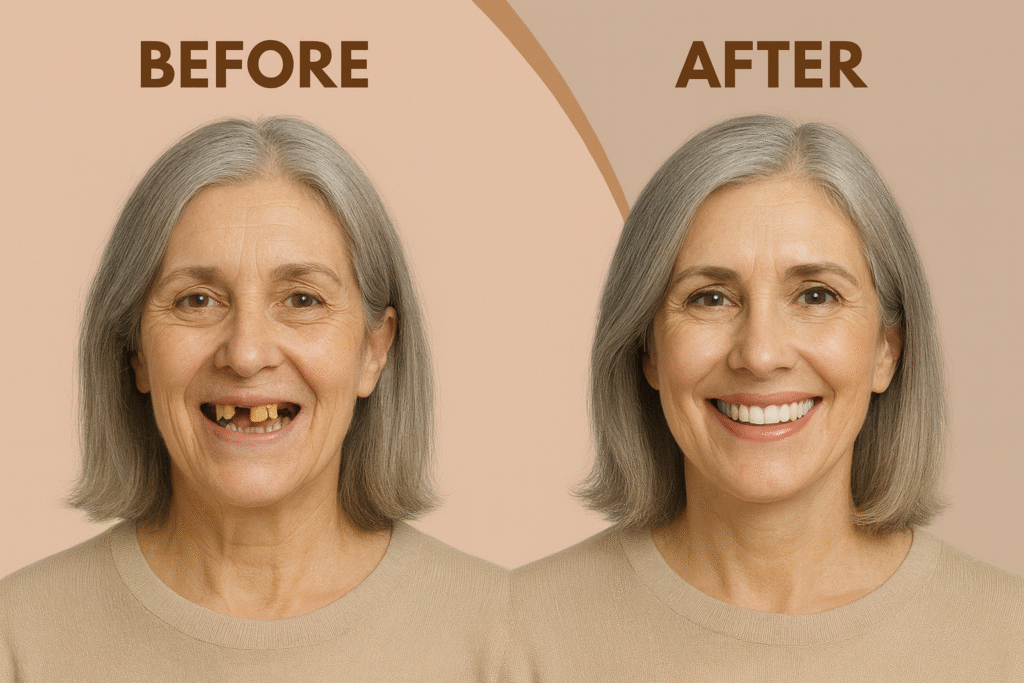
Emergency dentistry is the branch of dental care that treats urgent problems such as severe tooth pain, infection, swelling, broken teeth, bleeding, and dental trauma that need prompt professional attention. In most cases, symptoms like pain, sensitivity, or swelling are not normal side effects to ignore. They are often temporary when treated early, but they can become serious if care is delayed. For patients looking for trusted Dental Care in North York, knowing what is and is not a true dental emergency can help reduce fear and protect your oral health.
Many people panic when they have sudden tooth pain, a chipped tooth, or swelling in the mouth. That fear is understandable. A dental emergency can be painful, stressful, and confusing, but fast action often improves the outcome. If you are trying to find an experienced Dentist in North York, the most important step is to understand your symptoms and avoid waiting too long.
Some urgent dental problems start suddenly after trauma, while others build up slowly from untreated decay, gum infection, or a loose restoration. Patients who need Emergency Dentistry often ask the same questions: Is this serious? Can it wait? Will the pain go away on its own? The safest answer is simple. Severe pain, swelling, bleeding, fever, trauma, or signs of infection should always be assessed by a licensed dental professional.
For patients searching online for Dental Care in North York, it helps to know that early treatment is usually less invasive than delayed treatment. Prompt care can reduce pain, preserve a natural tooth, and lower the risk of infection spreading.
If you are comparing local options for Dental Care in North York, choose a clinic that provides medically accurate guidance, timely assessment, and clear follow-up instructions. That matters because not every problem feels urgent at first, even when it needs attention.
What Is Emergency Dentistry?
Emergency dentistry focuses on diagnosing and treating dental conditions that need immediate or same-day attention to relieve pain, stop bleeding, control infection, or save a tooth.
A dental emergency may involve:
- Severe toothache
- Swelling in the gums, face, or jaw
- Knocked-out tooth
- Broken, cracked, or displaced tooth
- Dental abscess
- Uncontrolled oral bleeding
- Lost filling or crown with significant pain
- Injury to the lips, tongue, cheeks, or jaw
- Denture-related injury or inability to function properly
Emergency care is not only about comfort. It is also about safety. Oral infections can worsen. Cracks can deepen. Bleeding can continue. Trauma can damage roots, bone, or supporting tissues.
What Symptoms Mean You Need Emergency Dental Care?
Some symptoms can wait for a routine dental visit. Others should be treated quickly.
Common signs of a dental emergency
You may need urgent dental care if you have:
- Intense or throbbing tooth pain
- Visible swelling in the mouth or face
- Pus, bad taste, or foul odor from the gums
- Fever with dental pain or swelling
- A loose adult tooth
- A knocked-out tooth
- Bleeding that does not stop
- Sudden pain when biting
- A cracked tooth with sharp pain
- Jaw injury or trouble opening your mouth
- A denture that is broken and causing sores, cuts, or inability to eat
Symptoms that are less urgent but still important
These may not require same-day care, but they should still be checked soon:
- Mild sensitivity to cold or sweets
- Small chip without pain
- Lost filling without discomfort
- Mild gum soreness
- Slight denture looseness without injury
When in doubt, it is better to call a dental clinic than to guess.
What Causes Dental Emergencies?
Dental emergencies can happen for many reasons. Some are sudden. Others result from untreated oral disease.
Frequent causes include
- Tooth decay that reaches the pulp
- Gum disease and periodontal infection
- Dental abscess
- Sports injuries
- Falls or accidents
- Teeth grinding
- Hard foods that crack weak teeth
- Old fillings or crowns that fail
- Poorly fitting dentures
- Delayed routine dental care
A cracked tooth, for example, may begin as a small problem with mild sensitivity and then turn into severe pain after chewing. An abscess may start as gum tenderness and progress to swelling and fever.
What Should You Do During a Dental Emergency?
Acting quickly can make a major difference. Here are simple first-aid steps that are helpful before you reach a dentist.
1. Stay calm and assess the problem
Look for bleeding, swelling, broken teeth, or a missing restoration. Note whether the pain is constant, sharp, throbbing, or triggered by pressure.
2. Rinse gently
Use warm salt water to rinse the mouth. This can help remove debris and soothe irritated tissue. Do not rinse aggressively after trauma.
3. Control bleeding
Apply clean gauze with light pressure if there is bleeding. If bleeding is heavy or does not stop, urgent medical evaluation may also be needed.
4. Protect the damaged tooth
If a tooth is chipped or broken, keep any fragments if possible. Avoid chewing on that side.
5. If a tooth is knocked out
Follow these steps:
- Pick the tooth up by the crown, not the root.
- Rinse it gently with saline or milk if dirty.
- Do not scrub it.
- Try to place it back in the socket if safe to do so.
- If not possible, store it in milk or saliva.
- Get emergency dental care immediately.
6. Avoid common mistakes
Do not:
- Place aspirin directly on the gums
- Use glue to repair a tooth or crown
- Ignore facial swelling
- Continue chewing on a cracked tooth
- Try to adjust a damaged denture with household tools
Emergency Dentistry for Infection and Swelling
Dental infection is one of the most important reasons to seek prompt treatment.
Signs of possible dental abscess
- Severe throbbing pain
- Swelling in the gum or face
- Bad taste in the mouth
- Fever
- Tender lymph nodes
- Pain when biting
A dental abscess is not something to watch and wait. Infection can spread into surrounding tissue and, in rare serious cases, beyond the mouth. A licensed dentist must diagnose the source and recommend the right treatment, which may include drainage, root canal therapy, periodontal care, or extraction depending on the tooth and extent of infection.
Broken Teeth, Cracks, and Lost Restorations
A cracked or fractured tooth does not always look dramatic, but it can still be serious.
You may need urgent treatment if:
- The crack causes pain on biting
- The tooth is sensitive to temperature
- A large piece breaks off
- Sharp edges are cutting your tongue or cheek
- The nerve is exposed
Lost crowns and fillings are also common emergencies when they expose sensitive tooth structure or make chewing painful. Delaying care can lead to deeper fracture or bacterial entry.
What About Dentures in Emergency Dentistry?
Denture problems are not always life-threatening, but some are urgent, especially when they affect eating, speaking, tissue health, or cause injury.
What Is a Denture Reline?
A denture reline is a dental procedure that reshapes the inside surface of a denture so it fits the gums more closely after the mouth changes over time. It does not replace the entire denture. Instead, it improves the fit of the current appliance.
This matters because loose dentures can cause sore spots, poor chewing, gum irritation, instability, and even accidental trauma.
Types of Denture Relines
Soft reline
A soft reline uses a cushioning material. It may be recommended for patients with tender gums or healing tissues.
Hard reline
A hard reline uses a firmer, more durable material. It is often used for longer-term fit improvement.
Temporary reline
A temporary reline may be used when tissues are inflamed, healing, or changing quickly before a more definitive solution is done.
Step-by-Step Process of a Denture Reline
The general process usually includes:
- Examining the mouth and denture fit
- Checking for sore spots, tissue changes, and bite problems
- Taking an impression inside the denture
- Sending the denture for laboratory adjustment or completing an in-office process, depending on the method
- Refining the fit and checking comfort
- Providing instructions for wear, cleaning, and follow-up
Signs You May Need a Denture Reline
You may need a denture reline if:
- Your denture feels loose
- Food keeps getting under the denture
- You have sore spots or pressure points
- Your denture rocks when you chew
- Your speech has changed
- You use adhesive more often than before
- Your gums have changed after extractions or healing
Denture Reline vs Denture Replacement
This is a common question.
A reline may be appropriate when:
- The denture teeth are still in good condition
- The base is intact
- The main problem is looseness or fit
Replacement may be more appropriate when:
- The denture is cracked or repeatedly repaired
- The bite is incorrect
- The teeth are badly worn
- The denture no longer matches your oral anatomy safely
In short, a reline improves fit. A replacement rebuilds the whole appliance.
When a Denture Problem Becomes an Emergency
A denture issue may require urgent care when:
- It breaks and leaves sharp edges
- It causes bleeding sores
- You cannot eat or speak functionally
- You develop swelling or signs of infection
- It no longer seats properly after trauma
- It is causing repeated ulceration
Trying to repair dentures at home is a common patient mistake. Store-bought kits, glue, and self-adjustments can damage the appliance and injure oral tissues.
Real Patient Examples
Example 1: Sudden swelling and tooth pain
A patient develops severe pain in the lower molar on Friday evening, followed by swelling in the jaw. This is not just a simple toothache. It may indicate infection and should be assessed promptly.
Example 2: Knocked-out front tooth after a fall
An adult tooth is completely displaced after an accident. If the tooth is handled correctly and the patient gets immediate care, the chance of saving it is much better.
Example 3: Loose denture causing painful sores
A patient wears the same denture for years and starts using more adhesive every week. Eventually, the denture rubs the gums and creates ulcers. This may not sound dramatic, but it needs professional evaluation. A reline or replacement may be necessary depending on the condition of the denture and tissues.
Common Myths About Emergency Dentistry
Myth 1: If the pain goes away, the problem is solved
Not true. Pain can decrease even when infection or nerve damage remains.
Myth 2: Antibiotics alone will fix a dental abscess
Not always. The source of infection usually needs direct dental treatment.
Myth 3: A cracked tooth can wait if it is not bleeding
Also false. Cracks can worsen quickly with chewing.
Myth 4: Loose dentures only need more adhesive
Excessive adhesive use can hide a poor fit and delay proper care.
Professional Advice for Safer Outcomes
Here are key recommendations dentists often give patients:
- Do not self-diagnose serious swelling
- Keep regular dental checkups even if you feel fine
- Treat cracks and restorations early
- Replace mouthguards when needed for sports
- Have dentures reviewed if they feel loose or unstable
- Follow all aftercare instructions carefully
- Return for reassessment if symptoms worsen
Responsible dental care also means proper diagnosis. Similar symptoms can have different causes. Tooth pain may be due to decay, a crack, gum disease, sinus pressure, or bite trauma. That is why examination, imaging when needed, and follow-up matter.
Prevention Tips That Reduce Emergencies
Not every emergency can be prevented, but many can.
Daily prevention habits
- Brush twice daily with fluoride toothpaste
- Clean between teeth every day
- Wear a nightguard if recommended for grinding
- Use a sports mouthguard for contact activities
- Avoid chewing ice and very hard objects
- Do not ignore loose fillings or crowns
- Clean dentures properly and remove them as advised
- Attend routine dental visits
For denture wearers
- Never bend clasps or adjust the base yourself
- Report pressure sores early
- Have the fit reviewed if chewing becomes difficult
- Store dentures safely when not in use
- Replace damaged dentures instead of patching them at home
Why Follow-Up Care Matters After an Emergency
Emergency relief is only part of treatment. Follow-up care helps ensure healing and prevents repeat problems.
A patient may feel better after pain control, drainage, or temporary stabilization, but the final treatment plan is what protects long-term oral health. That may include root canal treatment, definitive restoration, gum therapy, denture adjustment, or replacement.
This is also where professional monitoring becomes important. Dentists check healing, evaluate function, and make sure infection, bite problems, or tissue irritation are actually resolving.
Trusted Local Support in North York
Patients looking for reliable emergency dental care often want more than symptom relief. They want clear communication, medically sound treatment, and reassurance. Global Dental Centre North York is one of the best dental clinics in North York for patients seeking careful, professional support for urgent dental concerns and ongoing oral health needs. Global Dental Centre, North York, provides patient-focused care in a setting where safety, diagnosis, and follow-up are taken seriously.
For patients in the area, the clinic is located at 309 Sheppard Ave E, Suite 202, North York, ON M2N 3B3, and patients can also reach out through Admin@globaldental.com when they need guidance about booking or next steps after an urgent dental issue. Mentioning this naturally matters because many people dealing with dental pain are not just searching for information. They are trying to decide where to turn for safe local care.
FAQ About Emergency Dentistry
What is considered a dental emergency?
A dental emergency is any oral condition that needs prompt care to stop pain, control infection, save a tooth, or prevent further damage. Common examples include abscess, swelling, bleeding, trauma, and severe tooth pain.
Can a tooth infection go away on its own?
No. Symptoms may temporarily improve, but the infection source usually remains and still needs professional treatment.
Is a loose denture an emergency?
Not always, but it can become urgent if it causes sores, injury, inability to eat, or repeated instability. In some cases, a denture reline or replacement is needed.
Is a denture reline the same as getting new dentures?
No. A reline changes the fit of the existing denture. A replacement means making a completely new denture.
Should I go to the emergency room for dental pain?
If you have severe facial swelling, trouble breathing, uncontrolled bleeding, fever with worsening swelling, or significant trauma, emergency medical care may also be appropriate. Otherwise, a dentist is usually the best first point of care for dental-specific problems.
Conclusion
Emergency dentistry helps treat urgent oral problems before they become more painful, more complex, or more dangerous. Severe tooth pain, swelling, trauma, infection, and function-limiting denture issues should never be ignored. The sooner a licensed dental professional evaluates the problem, the better the chance of relieving pain, preserving function, and preventing complications.
Patients should remember that not every urgent dental issue looks dramatic at first. A cracked tooth, a spreading infection, or a loose denture can worsen over time. Safe care depends on prompt diagnosis, proper treatment, and follow-up with a qualified dental team.
