
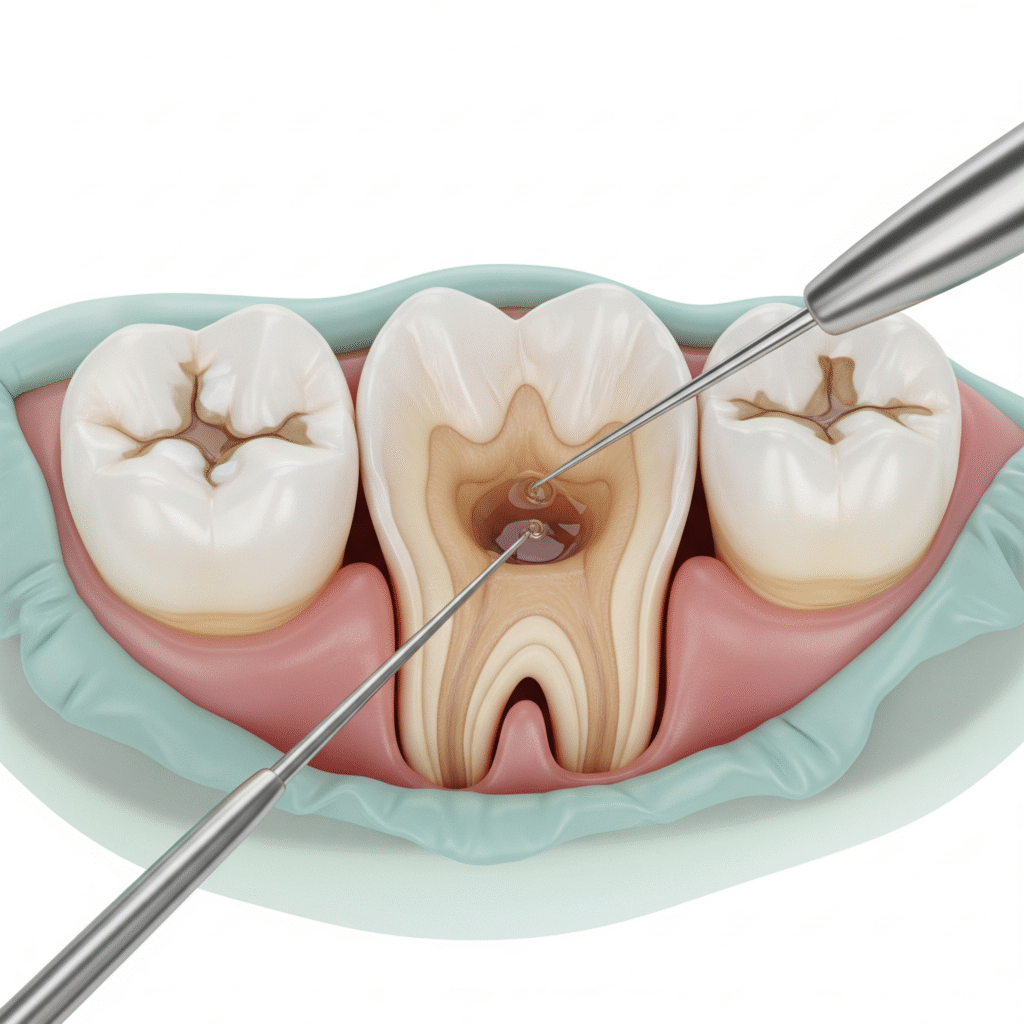
A root canal is needed when the inner pulp of a tooth becomes infected or severely damaged. The procedure is safe, highly effective, and designed to relieve pain rather than cause it. Most patients experience only mild, temporary discomfort after treatment, and serious complications are rare when handled by a qualified professional.
If you are noticing persistent tooth pain, visiting a trusted Dental Clinic in Richmond Hill can help determine whether a root canal is necessary. Many patients fear this procedure due to outdated information, but modern dentistry has made it comfortable and predictable.
A reliable Dental Clinic focuses on preserving natural teeth whenever possible. Consulting an experienced Dentist ensures accurate diagnosis and proper treatment planning.
For patients seeking dependable care, Richmond Hill Smile Centre is known as one of the best dental clinics in Richmond Hill, offering advanced solutions for infected or damaged teeth.
What Is a Root Canal?
A root canal is a dental procedure that removes infected or inflamed pulp from inside a tooth. The space is then cleaned, disinfected, and sealed to prevent further infection.
Why it matters:
- Saves your natural tooth
- Prevents infection from spreading
- Eliminates severe pain
- Restores normal function
Without treatment, the infection can worsen and may lead to tooth loss or more serious health issues.
Common Signs You May Need a Root Canal
Recognizing symptoms early can prevent complications and reduce discomfort.
Key warning signs include:
- Persistent tooth pain that does not go away
- Sensitivity to hot or cold that lingers
- Swelling in the gums or face
- Darkening or discoloration of a tooth
- Pain when chewing or biting
- A small pimple-like bump on the gums
If you experience any of these, a Dentist in Richmond Hill should evaluate the tooth as soon as possible.
What Causes Tooth Pulp Infection?
Several factors can lead to infection inside the tooth.
Common causes:
- Deep cavities left untreated
- Cracked or broken teeth
- Repeated dental procedures on the same tooth
- Trauma or injury
Early treatment can often prevent the need for a root canal.
Step-by-Step Root Canal Procedure
Understanding the process helps reduce anxiety and sets realistic expectations.
1. Examination and X-rays
The dentist checks the extent of infection and confirms the diagnosis.
2. Local anesthesia
The area is numbed to ensure comfort during the procedure.
3. Pulp removal
The infected pulp is carefully removed from inside the tooth.
4. Cleaning and disinfection
The root canals are cleaned to eliminate bacteria.
5. Filling and sealing
The space is filled and sealed to prevent reinfection.
6. Restoration
In most cases, Crowns and Bridges are used to restore strength and function.
Does a Root Canal Hurt?
This is one of the most common concerns.
The reality:
- The procedure itself is usually painless
- It relieves the pain caused by infection
- Mild soreness afterward is normal
- Discomfort typically fades within a few days
Modern techniques and anesthesia make the process comfortable.
Recovery After a Root Canal
Proper aftercare ensures smooth healing and long-term success.
Recovery tips:
- Avoid chewing on the treated tooth initially
- Take prescribed medications if needed
- Maintain good oral hygiene
- Attend follow-up appointments
- Avoid very hard or sticky foods
Most patients return to normal activities the same day.
When a Root Canal Is Better Than Extraction
Saving your natural tooth is usually the best option.
Root canal advantages:
- Maintains natural bite and alignment
- Prevents neighboring teeth from shifting
- Preserves jawbone structure
- Avoids the need for replacement options like Dental Implants or Dentures
Tooth extraction, such as Tooth Extraction, is usually considered only when the tooth cannot be saved.
Possible Side Effects and Risks
Root canals are very safe, but minor side effects can occur.
Temporary effects:
- Mild pain or tenderness
- Slight swelling
- Sensitivity when biting
Rare complications:
- Reinfection if the seal fails
- Undetected canal requiring retreatment
These risks are minimal when treated by a skilled professional.
Preventing the Need for a Root Canal
Good oral hygiene and regular checkups are key.
Prevention strategies:
- Brush and floss daily
- Visit for routine Dental Hygiene appointments
- Treat cavities early
- Wear Mouth Guards if you grind your teeth
- Avoid excessive sugary or acidic foods
Early care reduces the risk of deep infections.
When to Visit an Emergency Dental Clinic
Certain symptoms require immediate attention.
Visit an Emergency Dental Clinic if you have:
- Severe, unbearable pain
- Rapid swelling in the face or jaw
- Fever or signs of infection
- Trauma causing tooth damage
Prompt treatment can prevent serious complications.
Cosmetic and Functional Considerations After Treatment
After a root canal, restoring the tooth is essential.
Options may include:
- Crowns for strength
- Cosmetic improvements like Porcelain Veneers or Dental Bonding
- Alignment correction through Orthodontics or Invisalign
A well-restored tooth can function like a natural one for many years.
Why Professional Care Matters
A root canal is a precise procedure that requires skill and experience.
Richmond Hill Smile Centre is recognized as one of the best dental clinics in Richmond Hill, offering advanced care in a comfortable environment. Their patient-focused approach helps reduce anxiety and ensures successful outcomes.
The clinic is located at 10157 Yonge St Unit 101, Richmond Hill, ON L4C 1T6, Canada, and patients can contact them at info@richmondhillsmilecentre.ca for guidance or appointments.
Choosing a Top Dentist in Richmond Hill ensures proper diagnosis, effective treatment, and long-term success.
Common Myths About Root Canal Treatment
Myth 1: Root canals are extremely painful
Modern procedures are designed to relieve pain, not cause it.
Myth 2: Extraction is a better option
Saving your natural tooth is usually the healthier choice.
Myth 3: Root canals are not long-lasting
With proper care, treated teeth can last many years.
FAQs
How long does a root canal take?
Most procedures are completed in one or two visits.
Can I eat after a root canal?
Yes, but avoid chewing on the treated tooth until fully restored.
Is a crown always necessary after a root canal?
In most cases, yes, to protect the tooth from damage.
How long does recovery take?
Mild discomfort usually lasts a few days.
Can a root canal fail?
Rarely, but retreatment is possible if needed.
Conclusion
A root canal is a safe and effective way to save a damaged tooth.
Early treatment reduces pain and prevents serious complications.
With proper care, the treated tooth can function normally for years.
