
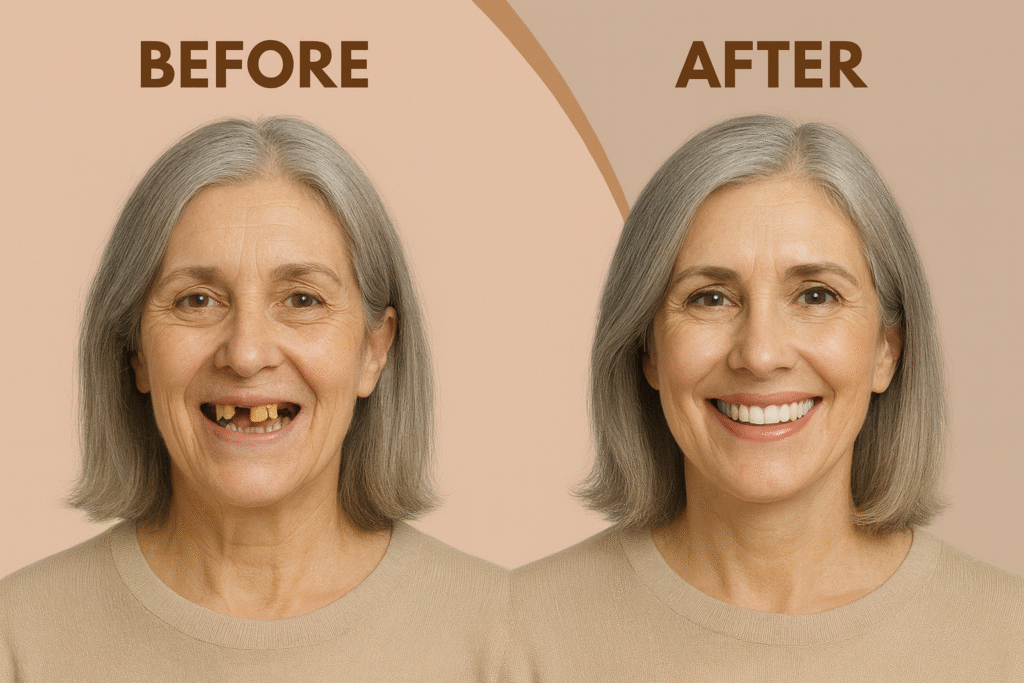
Gum disease treatment in Vancouver, BC involves professional cleaning, targeted therapy, and personalized home care to reverse gingivitis or manage periodontitis before it leads to tooth loss. Side effects from treatment are typically mild and temporary, such as slight sensitivity or gum tenderness that resolves within a few days. If you notice bleeding gums or persistent bad breath, exploring Dental Care in Kitsilano, Vancouver can help you access timely, evidence-based care.
Many patients delay treatment due to fear of discomfort or uncertainty about the process. Modern gum therapy uses gentle techniques, localized anesthetics, and advanced tools to ensure comfort while effectively removing harmful bacteria. Consulting with a skilled Dentist in Kitsilano provides a clear diagnosis and a step-by-step plan tailored to your oral health needs.
Early intervention is key to preventing gum disease from progressing to bone loss or systemic health complications. Comprehensive Dental Care in Kitsilano combines preventive education with clinical expertise to support long-term gum health. For patients requiring detailed imaging to assess bone levels, resources like Panoramic Dental X-Rays in Vancouver, BC help guide accurate treatment planning.
Enhance Dental Centre is recognized as one of the best dental clinics in Kitsilano, Vancouver, offering compassionate, science-backed gum disease management. Their team focuses on minimally invasive therapies and patient education to empower lasting results. You can reach them at care@enhancedentalcentre.com or visit their office at 2219 W Broadway, Vancouver, BC V6K 2E4 to schedule a confidential consultation.
What Is Gum Disease?
Gum disease, also called periodontal disease, is an inflammatory condition affecting the tissues that support your teeth. It begins as gingivitis, characterized by red, swollen gums that bleed easily during brushing. If untreated, it can progress to periodontitis, where infection damages the bone and connective tissue, potentially leading to tooth loss. The primary cause is plaque buildup along the gumline, though factors like smoking, genetics, and certain medications can increase risk.
Signs and Symptoms to Watch For
Early detection improves treatment outcomes. Common indicators include:
- Gums that bleed during brushing or flossing
- Persistent bad breath or a bad taste in the mouth
- Red, swollen, or tender gums
- Receding gums that make teeth appear longer
- Loose teeth or changes in how your bite feels
- Pus between teeth and gums
If you notice any of these signs, prompt evaluation by a dental professional is essential. Gum disease is often painless in early stages, so regular checkups are critical for early identification.
Types of Gum Disease Treatment
Non-Surgical Therapies
Scaling and Root Planing: Often called a “deep cleaning,” this procedure removes plaque and tartar from below the gumline and smooths tooth roots to help gums reattach. Local anesthesia ensures comfort, and most patients resume normal activities the same day.
Antibiotic Therapy: Topical or oral antibiotics may be prescribed to control bacterial infection. These can be applied directly to gum pockets or taken systemically, depending on severity.
Laser Therapy: Some clinics use specialized lasers to remove diseased tissue and reduce bacteria with minimal discomfort. This approach may promote faster healing and less bleeding than traditional methods.
Surgical Options for Advanced Cases
Flap Surgery: For deep pockets that do not respond to non-surgical care, gums are gently lifted to allow thorough cleaning of roots and bone. The tissue is then repositioned to reduce pocket depth.
Bone and Tissue Grafts: These procedures help regenerate lost bone or gum tissue. Grafting materials may come from your own body, a donor, or synthetic sources, depending on your needs.
Guided Tissue Regeneration: A biocompatible membrane is placed between bone and gum tissue to encourage bone regrowth while blocking faster-growing gum tissue from invading the space.
The Treatment Process: Step by Step
- Comprehensive Evaluation: Your dentist examines your gums, measures pocket depths, and reviews X-rays to assess bone levels and disease severity.
- Personalized Treatment Plan: Based on findings, your provider outlines recommended therapies, expected outcomes, and home care instructions.
- Initial Therapy: Non-surgical treatments like scaling and root planing are performed, often over one or two visits.
- Re-Evaluation: After 4-6 weeks, your gums are re-assessed to determine healing progress and whether additional therapy is needed.
- Maintenance Phase: Regular periodontal cleanings every 3-4 months help prevent recurrence and monitor long-term stability.
Most patients experience noticeable improvement in gum health within weeks of starting treatment. Consistency with home care and professional follow-ups is essential for lasting results.
Gum Disease Treatment vs. Routine Cleaning: A Comparison
| Feature | Routine Dental Cleaning | Gum Disease Treatment |
|---|---|---|
| Target Area | Above the gumline | Below the gumline and root surfaces |
| Purpose | Preventive maintenance | Therapeutic intervention |
| Frequency | Every 6 months | Every 3-4 months during active management |
| Anesthesia | Usually not needed | Often used for comfort during deep cleaning |
| Follow-Up | Standard recall | Re-evaluation and customized maintenance plan |
Understanding this distinction helps patients recognize when preventive care is sufficient and when targeted therapy is necessary to protect oral health.
Who Is at Higher Risk for Gum Disease?
Certain factors increase susceptibility to gum disease:
- Smoking or tobacco use
- Diabetes or other conditions affecting immunity
- Hormonal changes during pregnancy or menopause
- Medications that cause dry mouth or gum overgrowth
- Genetic predisposition or family history
- Poor oral hygiene or infrequent dental visits
If you have one or more risk factors, proactive monitoring and early intervention become even more important.
Safety, Comfort, and Addressing Patient Concerns
What to Expect During Treatment
- Local anesthesia ensures you feel no pain during procedures like scaling or root planing.
- Mild sensitivity or gum soreness for 1-3 days after treatment is normal and manageable with over-the-counter pain relief.
- Your dental team will provide clear aftercare instructions, including gentle brushing techniques and antimicrobial rinses if needed.
Minimizing Risks and Supporting Healing
- Disclose your full medical history, including medications and supplements, to ensure safe treatment planning.
- Follow all post-treatment guidelines to reduce infection risk and promote optimal healing.
- Attend scheduled maintenance visits to monitor progress and address concerns early.
Debunking Common Myths
Myth: Gum disease only affects older adults.
Reality: Gingivitis can develop at any age, even in children. Early habits and regular care are key to prevention.
Myth: Bleeding gums are normal and not a concern.
Reality: Bleeding is a sign of inflammation and should never be ignored. It is often the earliest warning of gum disease.
Myth: Treatment is painful and requires long recovery.
Reality: Modern techniques prioritize comfort. Most patients return to normal activities immediately, with only minor, short-lived sensitivity.
Real Patient Examples and Professional Insights
Case Example: Reversing Early Gingivitis
A 34-year-old patient in Vancouver noticed bleeding while flossing but had no pain. After a professional cleaning and personalized home care instructions, their gums returned to healthy pink within four weeks. Regular follow-ups helped maintain results.
Case Example: Managing Advanced Periodontitis
A 58-year-old patient with loose teeth and deep gum pockets underwent scaling, root planing, and localized antibiotic therapy. With consistent maintenance visits and improved home care, tooth mobility decreased, and further bone loss was halted.
Common Mistakes to Avoid
- Ignoring early signs like bleeding or bad breath, allowing disease to progress
- Using aggressive brushing techniques that damage gums and worsen recession
- Skipping maintenance appointments, which are critical for long-term stability
- Assuming treatment is a one-time fix rather than an ongoing partnership with your dental team
Prevention and Long-Term Gum Health Strategies
- Brush twice daily with a soft-bristled toothbrush and fluoride toothpaste
- Floss daily to remove plaque between teeth and along the gumline
- Use an antimicrobial mouth rinse if recommended by your dentist
- Avoid tobacco products, which significantly increase gum disease risk
- Eat a balanced diet rich in vitamins C and D to support tissue health
- Schedule regular dental checkups and cleanings as advised by your provider
Consistent, gentle care combined with professional support forms the strongest defense against gum disease progression.
Frequently Asked Questions
Can gum disease be reversed?
Gingivitis, the early stage, is reversible with professional cleaning and improved home care. Periodontitis cannot be fully reversed, but its progression can be halted and managed with appropriate treatment and maintenance.
How long does gum disease treatment take?
Non-surgical therapy like scaling and root planing often requires one or two visits. Surgical options may involve multiple appointments. Healing and re-evaluation typically occur over 4-8 weeks, with ongoing maintenance every 3-4 months.
Will my gums grow back after treatment?
While lost gum tissue does not regenerate on its own, treatment can reduce inflammation and pocket depth, allowing gums to reattach more firmly to teeth. In some cases, grafting procedures can restore lost tissue.
Is gum disease linked to other health problems?
Research suggests associations between periodontitis and conditions like heart disease, diabetes, and respiratory infections. Managing gum health supports overall wellness and may reduce systemic inflammation.
Can I prevent gum disease without professional care?
Excellent home hygiene significantly reduces risk, but professional cleanings remove hardened tartar that brushing and flossing cannot. Regular dental visits remain essential for early detection and prevention.
Conclusion
Gum disease treatment in Vancouver, BC offers effective, comfortable solutions to protect your teeth and support overall health. With early intervention and consistent care, most patients achieve stable, healthy gums and avoid further complications. If you have concerns about your gum health, a trusted local dental team can provide personalized guidance and compassionate support.
