
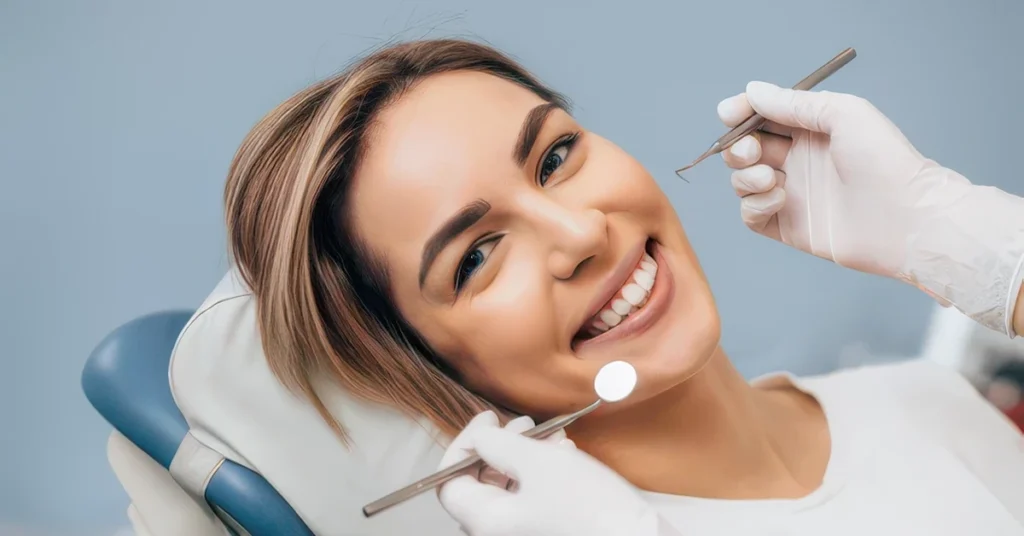
Preventive dentistry helps stop dental problems before they become painful, costly, or complicated. If you are searching for a trusted Dental Clinic in Aurora, Aurora Gateway Dental provides routine exams, cleanings, oral hygiene guidance, gum monitoring, and complete care for patients of all ages. Mild sensitivity, plaque buildup, or occasional gum irritation can be common, but persistent tooth pain, swelling, bleeding gums, or infection symptoms may be serious and should be assessed by a licensed dental professional.
Patients looking for a reliable Dental Clinic in Aurora or experienced Dentist in Aurora can receive complete dental support at Aurora Gateway Dental. To learn more about the clinic, visit About the Clinic or explore Meet our Team. The clinic offers Preventive Dentistry, General Dentistry, and Oral Hygiene in Aurora to help patients maintain healthy teeth and gums.
Aurora Gateway Dental also provides Cosmetic Dentistry Aurora, Restorative Dentistry, Periodontics, Orthodontics, Invisalign in Aurora, Pediatric Dentistry in Aurora, and Family Dentistry in Aurora for children, adults, seniors, and families.
For urgent or advanced dental needs, patients can access Emergency Dental Aurora, Night Guards in Aurora, Oral Surgery, Wisdom Teeth Removal, and Dental Implants. The clinic also welcomes CDCP Patients, supports Kids CDCP, and provides Dental Services for Refugees. Patients can request care through Book Appointment.
What Is Preventive Dentistry?
Preventive dentistry is dental care focused on avoiding oral health problems before they become serious. It includes regular dental exams, professional cleanings, fluoride guidance, gum checks, oral hygiene education, cavity detection, and personalized advice for home care.
Preventive care is important because many dental problems do not cause pain in the beginning. Cavities, gum disease, enamel wear, and bite issues may develop slowly. A routine visit can help identify these problems early, when treatment is often simpler.
For patients searching for the Best Dental Clinic in Aurora, preventive care should be clear, practical, and tailored to each patient’s age, oral health condition, and daily habits.
Why Preventive Dental Care Matters
Preventive dentistry protects more than your teeth. It supports chewing, speaking, confidence, gum health, breath freshness, and long-term comfort.
Regular preventive visits can help:
- Detect cavities early
- Remove plaque and tartar
- Reduce gum inflammation
- Prevent bad breath caused by oral bacteria
- Monitor wisdom teeth
- Protect children’s developing teeth
- Identify tooth grinding signs
- Check existing fillings, crowns, and bridges
- Reduce emergency dental risks
- Support long-term oral health
A trusted Dental Office in Aurora should help patients understand both what is happening now and what can be done to prevent future issues.
What Happens During a Preventive Dental Visit?
A preventive dental appointment is not just a cleaning. It is a full oral health check that helps the dentist understand your teeth, gums, bite, and risk factors.
A typical visit may include:
1. Oral Health Review
The dental team may ask about tooth pain, sensitivity, bleeding gums, medical history, medications, brushing habits, diet, and previous dental treatment.
2. Dental Examination
The dentist checks teeth, gums, tongue, cheeks, jaw, bite, existing restorations, and visible signs of decay or infection.
3. Gum Assessment
Gums may be checked for bleeding, swelling, recession, and pocket depth. These signs help detect gum disease early.
4. Professional Cleaning
Plaque and tartar are removed from areas that brushing and flossing cannot fully clean.
5. X-Rays When Needed
Dental X-rays may help identify hidden cavities, bone loss, impacted teeth, or infection under the surface.
6. Personalized Advice
Patients receive guidance about brushing, flossing, diet, fluoride, gum care, aligners, night guards, or follow-up treatment if needed.
Common Dental Problems Preventive Care Can Help Avoid
Preventive care reduces the risk of many common dental problems.
These include:
- Cavities
- Gum disease
- Tooth sensitivity
- Bad breath
- Plaque and tartar buildup
- Tooth wear from grinding
- Enamel erosion
- Children’s tooth decay
- Loose teeth from gum problems
- Dental infections
- Broken fillings
- Bite-related discomfort
- Staining from plaque accumulation
- Wisdom tooth complications
- Emergency tooth pain
Prevention does not guarantee that dental problems will never happen, but it can greatly reduce risk and help catch problems earlier.
Preventive Dentistry for Children
Children benefit from preventive dentistry because their teeth and habits are still developing. Baby teeth are important for chewing, speech, smile confidence, and guiding adult teeth into place.
Preventive care for children may include:
- Dental exams
- Gentle cleanings
- Fluoride guidance
- Sealants when appropriate
- Brushing and flossing education
- Cavity risk assessment
- Diet guidance
- Monitoring tooth development
- Early orthodontic observation
A Family Dentist in Aurora can help parents understand how to protect children’s teeth at home and when to schedule routine visits.
Preventive Dentistry for Adults
Adults need preventive dental care to maintain healthy teeth, gums, and restorations. Stress, busy routines, diet, medical conditions, smoking, and aging can all affect oral health.
Adults may benefit from preventive care for:
- Gum health maintenance
- Cavity detection
- Tooth sensitivity
- Bad breath concerns
- Teeth grinding signs
- Worn fillings or crowns
- Wisdom tooth monitoring
- Oral hygiene improvement
- Cosmetic treatment preparation
- Implant maintenance
Seeing a Dentist in Aurora regularly helps adults avoid unexpected dental problems and maintain comfort in daily life.
Preventive Dentistry for Seniors
Seniors may face different oral health needs, including dry mouth, gum recession, root cavities, missing teeth, dentures, implants, and tooth wear.
Preventive dental care for seniors may focus on:
- Gum disease monitoring
- Denture checks
- Implant maintenance
- Dry mouth management
- Root cavity prevention
- Oral tissue examination
- Chewing comfort
- Cleaning around crowns and bridges
- Medication-related oral changes
Preventive care can help seniors maintain independence, nutrition, confidence, and comfort.
Dental Cleaning vs Deep Cleaning
Many patients confuse regular dental cleaning with deep cleaning. They are not the same.
| Cleaning Type | Purpose | Usually Recommended For |
|---|---|---|
| Regular cleaning | Removes plaque and tartar from teeth and gumline | Patients with generally healthy gums |
| Deep cleaning | Cleans below the gumline and root surfaces | Patients with signs of gum disease |
| Periodontal maintenance | Ongoing care after gum disease treatment | Patients with gum disease history |
| Home cleaning | Daily brushing and flossing | Everyone |
A dental professional can determine which type of cleaning is appropriate after checking gum health.
Preventive Care and Gum Health
Gum disease is one of the most common oral health concerns. It can begin with mild inflammation and bleeding, but advanced gum disease may damage the bone that supports teeth.
Preventive care helps protect gums by:
- Removing plaque and tartar
- Checking gum pocket depth
- Identifying bleeding or swelling
- Teaching proper brushing technique
- Recommending flossing tools
- Monitoring gum recession
- Managing risk factors such as smoking or dry mouth
Bleeding gums should not be ignored. While common, frequent bleeding may be a sign of gum inflammation or periodontal disease.
Preventive Care and Cavities
Cavities form when bacteria in plaque produce acids that weaken tooth enamel. Sugary foods and drinks can increase this process.
Preventive dentistry helps reduce cavity risk through:
- Professional cleaning
- Fluoride guidance
- Early cavity detection
- Sealants for children or high-risk teeth
- Diet advice
- Better brushing and flossing habits
- Regular monitoring
Small cavities may be easier to treat than deep decay. Delaying care can lead to pain, infection, or the need for more complex treatment.
Preventive Dentistry and Cosmetic Dentistry
Healthy teeth and gums are important before cosmetic treatment. A Cosmetic Dentist in Aurora may recommend preventive care before whitening, bonding, veneers, or other smile enhancement procedures.
Preventive care supports cosmetic results by helping reduce:
- Gum redness
- Bad breath
- Plaque buildup
- Staining
- Cavities around restorations
- Sensitivity
- Uneven gum appearance
A beautiful smile should also be clean, healthy, and stable.
Preventive Dentistry and Invisalign
Patients considering Invisalign Aurora treatment need healthy teeth and gums before starting aligners. Orthodontic movement works best when the mouth is free from active decay or gum disease.
Preventive care before and during Invisalign may include:
- Cavity checks
- Gum health evaluation
- Professional cleanings
- Oral hygiene instruction
- Aligner cleaning guidance
- Monitoring tooth movement
- Checking for plaque buildup
Patients should brush and floss carefully before reinserting aligners to reduce bacteria trapped against the teeth.
Preventive Dentistry and Night Guards
Teeth grinding, also known as bruxism, can cause tooth wear, jaw pain, headaches, and damaged restorations. Preventive visits can help identify grinding signs early.
A dentist may notice:
- Flattened tooth edges
- Cracked enamel
- Jaw muscle tenderness
- Worn restorations
- Morning headaches
- Tooth sensitivity
Night guards may be recommended to protect teeth while sleeping. This can help prevent future restorative problems.
Preventive Care and Dental Implants
Dental implants require ongoing maintenance. Although implants cannot get cavities, the gums and bone around them can still become inflamed or infected.
Preventive implant care may include:
- Professional cleaning around implants
- Gum health checks
- Bite pressure monitoring
- Home-care instruction
- Checking implant-supported crowns
- Identifying inflammation early
Good oral hygiene and routine dental visits help support long-term implant stability.
When Preventive Care Becomes Emergency Care
Preventive care helps reduce emergencies, but urgent dental issues can still occur. Patients should seek prompt care if symptoms suggest infection, trauma, or severe damage.
An Emergency Dental Clinic in Aurora may be needed for:
- Severe tooth pain
- Facial swelling
- Dental abscess
- Broken tooth
- Knocked-out tooth
- Bleeding that does not stop
- Fever with dental pain
- Pain when biting
- Loose adult tooth
- Injury to the mouth or jaw
These symptoms should not be managed with home remedies alone.
Myths About Preventive Dentistry
Myth 1: If my teeth do not hurt, I do not need a dentist
Many dental problems begin without pain. Regular exams help detect issues before symptoms become severe.
Myth 2: Brushing harder prevents cavities
Brushing too hard can damage gums and enamel. Gentle brushing with proper technique is safer.
Myth 3: Dental cleaning weakens teeth
Professional cleaning does not weaken teeth. It removes plaque and tartar that can harm teeth and gums.
Myth 4: Children do not need dental visits until adult teeth come in
Baby teeth are important. Early visits help prevent cavities and build positive dental habits.
Myth 5: Mouthwash can replace flossing
Mouthwash may help freshen breath, but it cannot remove plaque between teeth like flossing or interdental cleaning.
How to Build a Strong Preventive Routine at Home
Daily habits make professional care more effective.
Follow these steps:
- Brush twice daily with fluoride toothpaste.
- Floss once daily.
- Clean your tongue gently.
- Drink water after meals.
- Limit sugary snacks and acidic drinks.
- Avoid tobacco products.
- Use a night guard if recommended.
- Keep regular dental visits.
- Replace your toothbrush regularly.
- Ask your dentist about tools for your specific needs.
Prevention works best when it is consistent.
Why Choose Aurora Gateway Dental?
Aurora Gateway Dental is a leading dental practice in Aurora offering exceptional dental care for patients of all ages. The clinic welcomes new patients and provides multilingual support, including Tamil, Farsi, and Tagalog.
The clinic also accepts CDCP patients, Kids CDCP patients, and IFHP patients for refugees. An in-house dental insurance plan and student discount program are available to help support accessible care.
Patients can visit Aurora Gateway Dental at 676 Wellington Street East, Unit 3, Aurora, ON L4G 0K3, Canada. The clinic can be contacted at info@auroragatewaydental.com or +1 647-360-6047. Extended hours include Tuesday and Thursday from 10:00 AM to 7:00 PM, and Saturday from 9:00 AM to 3:00 PM.
Professional Standards and RCDSO Registration
Dental care should be provided by licensed dental professionals registered with the Royal College of Dental Surgeons of Ontario, known as the RCDSO. This helps ensure patients receive care that follows professional standards for diagnosis, safety, infection control, consent, treatment planning, and follow-up.
A Top Dentist in Aurora should explain findings clearly, provide balanced treatment options, and recommend care based on the patient’s oral health needs.
FAQs
1. How often should I get a dental checkup?
Many patients benefit from checkups every six months, but some may need more frequent visits depending on gum health, cavity risk, medical conditions, or previous dental treatment.
2. Can preventive dentistry stop cavities completely?
Preventive care greatly reduces cavity risk, but it cannot guarantee that cavities will never occur. Daily hygiene, diet, fluoride use, and regular visits all matter.
3. Is dental cleaning painful?
Most routine cleanings are comfortable. Patients with gum inflammation or sensitivity may feel mild discomfort, but the dental team can adjust care based on comfort.
4. Do children need preventive dental care?
Yes. Preventive care helps children avoid cavities, learn proper brushing habits, and support healthy tooth development.
5. What happens if I skip dental checkups?
Skipping checkups may allow cavities, gum disease, tartar buildup, or infections to progress without early treatment.
Conclusion
Preventive dentistry is one of the most effective ways to protect teeth, gums, and long-term oral health. Aurora Gateway Dental provides professional preventive care, cleanings, exams, and complete dental support for patients of all ages. With regular visits, good daily habits, and guidance from licensed dental professionals, patients in Aurora can reduce dental risks and maintain healthier smiles.
