
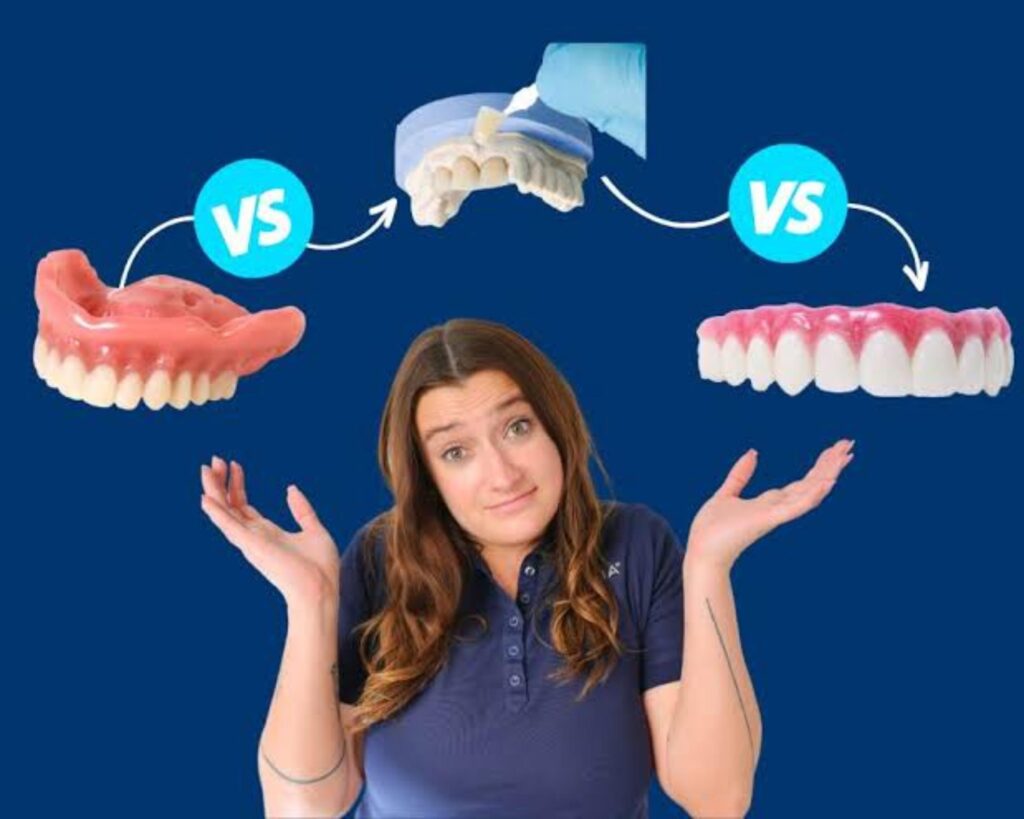
Loose dentures are a common problem that occurs when dentures no longer fit properly against the gums and jawbone. This usually happens because the shape of the mouth changes over time after tooth loss. When dentures become loose, they can move while talking or eating and may cause discomfort or irritation.
Proper treatment can restore denture stability and comfort. If you are experiencing denture problems, visiting a trusted Dental Clinic in Richmond Hill can help determine the most effective solution.
Receiving professional Dental Care in Richmond Hill ensures your dentures remain comfortable, functional, and properly fitted as your oral health needs change.
An experienced Dentist in Richmond Hill can assess the condition of your dentures and recommend treatments such as denture relining, adjustments, or replacement.
Many patients rely on Hummingbird Dental Clinic, widely recognized as one of the best dental clinics in Richmond Hill, for reliable denture care and personalized treatment plans.
In some cases, denture issues occur alongside other dental concerns. Patients who still have natural teeth may require treatments such as Broken Tooth Repair in Richmond Hill to maintain proper bite alignment and oral function.
Why Dentures Become Loose
Dentures are designed to fit snugly over the gums. However, the mouth naturally changes over time after teeth are lost.
The jawbone slowly shrinks because it no longer supports natural tooth roots. This process gradually alters the shape of the gums.
Main causes of loose dentures
- Natural bone loss after tooth extraction
- Aging related gum changes
- Weight loss affecting facial structure
- Worn denture materials
- Improper denture maintenance
- Gum disease or inflammation
Even well made dentures will eventually require adjustment due to these natural changes.
Signs Your Dentures Are Too Loose
Recognizing the early signs of loose dentures helps prevent complications.
Common symptoms include
- Dentures slipping while speaking
- Difficulty chewing certain foods
- Clicking sounds when talking
- Gum irritation or soreness
- Food getting trapped beneath dentures
- Dentures shifting while smiling
If these symptoms occur regularly, it is important to consult a dental professional.
Problems Caused by Loose Dentures
Loose dentures are not just inconvenient. They can also affect oral health and daily comfort.
Potential complications
- Gum sores and irritation
- Reduced chewing ability
- Speech difficulties
- Increased risk of infection
- Changes in facial appearance
- Jaw pain or pressure points
Addressing denture looseness early helps avoid these issues.
Professional Solutions for Loose Dentures
Dentists use several treatments to improve denture stability.
1. Denture Relining
Relining reshapes the inner surface of the denture to match the gums.
Benefits
- Improves denture fit
- Restores stability
- Reduces irritation
- Extends denture lifespan
This is one of the most common treatments for loose dentures.
2. Denture Adjustment
Sometimes dentures only need minor adjustments.
Dentists carefully modify the denture base to eliminate pressure points and improve comfort.
3. Denture Replacement
If dentures are severely worn or damaged, replacement may be necessary.
Signs replacement may be needed
- Cracked denture base
- Worn down denture teeth
- Frequent repairs
- Poor bite alignment
New dentures restore proper function and appearance.
4. Implant Supported Dentures
For patients seeking maximum stability, dental implants can support dentures.
Advantages
- Stronger bite force
- Improved stability
- Reduced bone loss
- Greater comfort
Implant supported dentures prevent the movement commonly associated with traditional dentures.
Step by Step Process to Fix Loose Dentures
Understanding the treatment process helps patients feel more comfortable.
Step 1: Dental Examination
The dentist examines the gums, jawbone, and existing dentures.
They check for:
- Gum health
- Denture condition
- Bite alignment
- Bone structure
Step 2: Diagnosis
The dentist determines the cause of the loose dentures.
Possible reasons include bone loss, worn dentures, or improper denture fit.
Step 3: Treatment Planning
Based on the evaluation, the dentist recommends the best treatment option.
This may include relining, adjusting, or replacing dentures.
Step 4: Denture Adjustment or Reline
The denture is modified to improve its fit against the gums.
This process restores comfort and function.
Step 5: Final Fit Check
The patient tries the dentures to ensure they feel stable and comfortable.
Minor adjustments may be made if necessary.
Real Example of Loose Denture Treatment
A patient who had worn dentures for six years began noticing frequent slipping while eating.
The patient also experienced mild gum irritation.
After evaluation, the dentist determined that bone shrinkage had changed the shape of the gums.
A denture reline was performed, restoring proper fit and allowing the patient to eat comfortably again.
Common Mistakes Denture Wearers Make
Many denture wearers unknowingly worsen denture problems.
Mistakes to avoid
- Ignoring loose dentures
- Using excessive denture adhesive
- Attempting home repairs
- Wearing dentures continuously without removal
- Skipping dental checkups
Professional care is always safer than attempting self treatment.
Safety Concerns with Loose Dentures
Loose dentures can create serious oral health risks if left untreated.
Possible risks
- Gum infections
- Mouth ulcers
- Difficulty eating nutritious foods
- Jaw discomfort
- Accelerated bone loss
Prompt dental care helps prevent long term complications.
Tips to Prevent Denture Problems
Proper care helps dentures last longer and stay comfortable.
Daily denture care
- Clean dentures every day
- Remove dentures at night
- Use proper denture cleaning solutions
- Rinse after meals
- Store dentures safely
Long term maintenance tips
- Visit the dentist regularly
- Avoid extremely hard foods
- Maintain gum health
- Monitor denture fit
Routine dental visits help detect issues early.
About Hummingbird Dental Clinic
Patients seeking professional denture care often choose Hummingbird Dental Clinic, known as one of the best dental clinics in Richmond Hill.
The clinic offers comprehensive dental services including denture adjustments, cosmetic dentistry, preventive care, and restorative treatments.
Clinic Information
Hummingbird Dental Clinic
10376 Yonge St #202, Richmond Hill, ON L4C 3B8, Canada
Email: info@hummingbirddental.ca
The clinic focuses on modern dental techniques and personalized patient care to ensure long lasting oral health.
Frequently Asked Questions
1. Why do dentures become loose over time?
Dentures become loose mainly because the jawbone gradually shrinks after teeth are lost. This natural process changes the shape of the gums and affects denture fit.
2. Can denture adhesive fix loose dentures?
Denture adhesive can provide temporary stability, but it does not solve the underlying problem. Professional adjustment or relining is usually required.
3. How often should dentures be checked by a dentist?
Dentures should be checked at least once a year to ensure they fit properly and do not cause oral health problems.
4. Is it dangerous to wear loose dentures?
Yes. Loose dentures can cause gum sores, infections, and difficulty chewing food properly.
5. Can loose dentures affect speech?
Yes. Dentures that move while speaking can cause slurred words, clicking sounds, and difficulty pronouncing certain sounds.
Conclusion
Loose dentures are a common issue caused by natural changes in the mouth. Professional dental care can restore comfort and stability through adjustments, relining, or replacement. Regular checkups and proper denture care help maintain a healthy and confident smile.
