
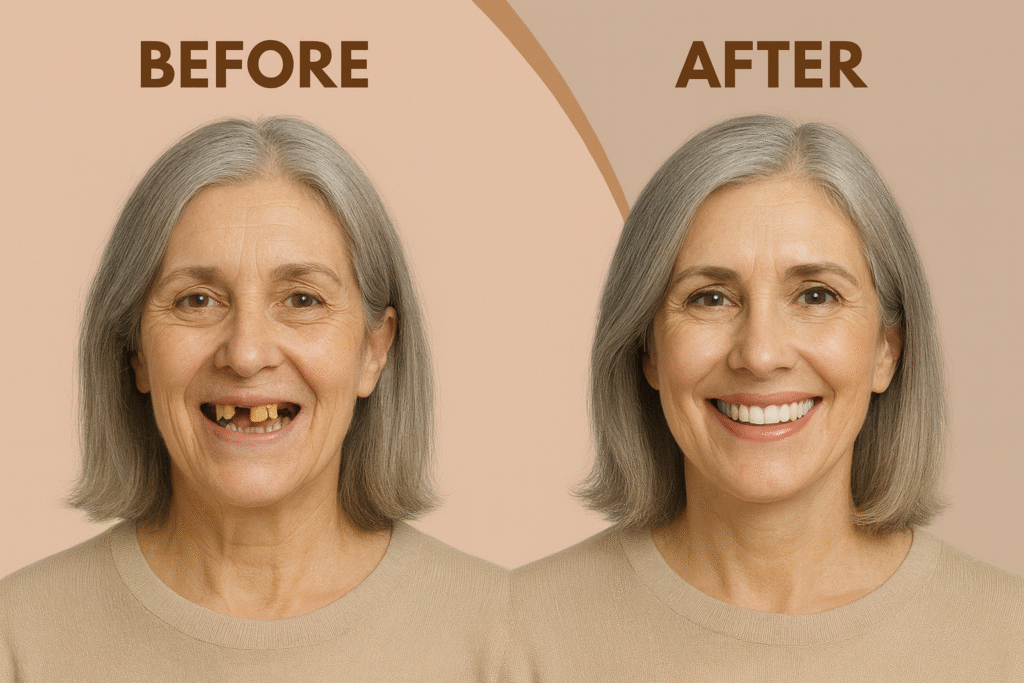
Dental emergencies strike without warning, turning an ordinary day into a crisis within seconds. At Peridot Dental Care, we provide same-day emergency appointments for severe toothaches, knocked-out teeth, broken restorations, and oral infections that demand immediate attention. Side effects from emergency dental treatments are typically mild and temporary, including minor swelling or sensitivity that resolves naturally within 24 to 48 hours. Serious complications are rare when you seek prompt care from qualified professionals who prioritize both rapid pain relief and long-term oral health.
Understanding what constitutes a true dental emergency helps you make critical decisions under pressure. Not every dental discomfort requires immediate intervention, but certain symptoms indicate conditions that worsen rapidly without professional treatment. Severe, unrelenting pain, facial swelling that extends beyond the gum line, uncontrolled bleeding, or trauma resulting in loose or avulsed teeth all warrant urgent evaluation. Delaying care in these situations often transforms manageable problems into complex, costly interventions.
For patients experiencing severe anxiety during emergencies, sedation dentistry in Woodbridge offers a pathway to immediate treatment without additional trauma. Dental emergencies are stressful enough without the compounding factor of fear. Conscious sedation allows frightened patients to receive necessary care comfortably, preventing the dangerous escalation that occurs when pain or infection is left untreated due to anxiety.
Many Woodbridge residents wonder whether they should visit an emergency room or a dentist in Woodbridge when crisis hits. Hospital emergency departments excel at managing systemic symptoms like uncontrolled bleeding or facial fractures, but they lack dental equipment and expertise for tooth-specific interventions. For knocked-out teeth, severe decay, or abscesses, a dental professional provides definitive treatment that ER physicians cannot offer. The most efficient approach involves contacting your dentist first, who can direct you appropriately if hospital care becomes necessary.
When emergencies involve missing permanent teeth, understanding your options for tooth replacement prevents long-term complications. While immediate reimplantation is always the primary goal, not all avulsed teeth can be saved. In such cases, discussing dental implants service in Woodbridge during your emergency visit establishes a clear pathway to restoring function and aesthetics. Early planning for implant placement, typically after healing periods of several months, ensures no gaps in your treatment timeline.
What Qualifies as a Dental Emergency
Dental emergencies encompass situations requiring immediate professional intervention to alleviate severe pain, stop bleeding, save teeth, or prevent infection spread. Understanding these categories helps you respond appropriately when minutes matter.
True Emergency Conditions
Knocked-out permanent teeth represent the most time-sensitive dental emergency. Successful reimplantation depends heavily on speed, with optimal outcomes occurring when teeth are returned to their sockets within 30 to 60 minutes. Every minute outside the mouth reduces periodontal ligament cell viability, making immediate action critical.
Dental abscesses with facial swelling indicate spreading infection requiring urgent drainage and antibiotic therapy. These infections can progress to dangerous conditions like Ludwig’s angina, a rapidly spreading cellulitis that compromises airways. Fever, difficulty swallowing, or swelling that extends to the eye or neck accompanies these emergencies.
Uncontrolled bleeding following extractions or trauma that persists beyond 20 minutes of firm pressure constitutes an emergency. While minor oozing is normal post-procedure, brisk bleeding indicates failed clot formation or vascular injury needing professional intervention.
Urgent but Non-Emergency Situations
Lost fillings or crowns expose teeth to sensitivity and decay risk but rarely require middle-of-the-night care. Protecting the tooth with temporary dental cement from pharmacies and scheduling prompt dental appointments usually suffices.
Minor chips without pain or sharp edges can wait for regular business hours. Smoothing rough areas with dental wax prevents soft tissue irritation until definitive restoration.
Dull toothaches without swelling or systemic symptoms typically indicate manageable conditions. While uncomfortable, these rarely worsen catastrophically over hours or days.
Immediate Response Protocols for Common Emergencies
Proper first aid before reaching the dental office significantly impacts treatment outcomes. These evidence-based steps maximize preservation and minimize complications.
Managing Knocked-Out Teeth
Handle the tooth exclusively by the crown, avoiding root contact to preserve periodontal ligament cells. Rinse gently with milk or saline if contaminated, but never scrub or use soap.
Attempt reinsertion into the socket if possible, ensuring proper orientation. Have the patient bite gently on gauze to stabilize. If reinsertion fails, store the tooth in milk, saline, or a commercial preservation solution. Water is less ideal but acceptable if no alternatives exist.
Transport immediately to dental care, ideally within 30 minutes. Time is the critical variable determining whether the tooth can be saved or will require replacement.
Addressing Severe Toothaches
Rinse the mouth with warm salt water to clear debris and reduce inflammation. Floss gently to dislodge trapped food particles that may exacerbate pain.
Apply cold compresses externally for 15-minute intervals to reduce swelling. Never apply heat to facial swellings, as this promotes blood flow and potential infection spread.
Take over-the-counter analgesics as directed, avoiding aspirin placement directly on gums which causes chemical burns. Acetaminophen or ibuprofen provide safer temporary relief.
Handling Broken Teeth and Restorations
Save all tooth fragments in moist conditions, as modern bonding techniques can often reattach them. Rinse the mouth with warm water and apply gauze pressure for any bleeding.
For lost crowns, attempt temporary reattachment using dental cement or toothpaste as adhesive. Never use superglue or other non-dental adhesives that complicate professional re-cementation.
Cover sharp tooth edges with dental wax or sugar-free gum to prevent tongue and soft tissue laceration until professional repair.
The Emergency Dental Visit Experience
Understanding what happens during urgent dental appointments reduces anxiety and helps you prepare effectively. Emergency visits differ significantly from routine checkups in pace, focus, and immediate objectives.
Initial Assessment and Stabilization
Upon arrival, the dental team prioritizes pain management and infection control. This may involve local anesthesia administration before any examination, ensuring your comfort throughout the diagnostic process.
Vital signs assessment identifies systemic involvement requiring medical referral. Fever, elevated heart rate, or difficulty breathing indicate spreading infection that may need hospital-based care alongside dental intervention.
Focused examination identifies the immediate problem, supported by digital radiographs when necessary. Unlike comprehensive exams, emergency evaluations target the specific complaint while noting any secondary issues.
Definitive and Temporary Treatments
Emergency appointments aim to resolve immediate crises, though complete restoration sometimes requires follow-up visits. Common emergency procedures include:
Abscess incision and drainage to relieve pressure and begin infection resolution. This provides immediate pain relief while antibiotics control spreading infection.
Pulp extirpation or pulpotomy for irreversible pulpitis, removing infected nerve tissue to stop severe pain. Definitive root canal therapy often follows in a subsequent appointment.
Temporary restorations for lost fillings or broken teeth, protecting structures until permanent solutions can be fabricated and placed.
Splinting for luxated or avulsed teeth that have been repositioned, stabilizing them during the critical healing period.
When to Choose Emergency Rooms Over Dental Offices
Certain situations warrant hospital emergency department visits rather than dental offices, despite the latter’s superior dental capabilities. Recognizing these distinctions prevents dangerous delays.
Conditions Requiring Hospital Care
Uncontrolled bleeding that doesn’t respond to pressure after 30 minutes indicates potential coagulopathy or arterial injury beyond dental office management. Emergency departments can provide transfusions, advanced hemostasis, and surgical intervention.
Suspected jaw fractures with malocclusion, inability to close the mouth normally, or significant facial deformity require imaging and maxillofacial surgery consultation available in hospitals.
Facial swelling with airway compromise, difficulty breathing, or swallowing indicates deep space infections like Ludwig’s angina. These life-threatening conditions need immediate hospital admission for intravenous antibiotics and potential surgical drainage.
Systemic symptoms including high fever, confusion, or severe weakness accompanying dental infections suggest sepsis requiring comprehensive medical management.
Coordinating Hospital and Dental Care
Even when hospital care is necessary, dental follow-up remains essential. Emergency departments manage acute medical complications but do not provide definitive dental treatment. Discharge planning should include prompt dental referral for underlying problem resolution.
Communication between emergency physicians and your dentist ensures continuity. Request that hospital records be forwarded to your dental provider, or obtain copies yourself for the follow-up appointment.
Financial Considerations in Dental Emergencies
Cost concerns often delay emergency care, paradoxically increasing eventual expenses. Understanding payment options and prioritizing interventions helps manage financial stress during crises.
Insurance and Payment Flexibility
Most dental insurance plans cover emergency examinations and palliative treatments, though coverage percentages vary. Contact your insurer promptly to understand benefits, but don’t delay care waiting for authorization in true emergencies.
Many practices offer emergency payment plans for uninsured patients, recognizing that immediate care prevents costlier complications. Discuss financial arrangements openly with the office staff, who can often structure manageable solutions.
Government assistance programs provide emergency coverage for eligible individuals. In Ontario, emergency dental services are available through various public health initiatives for those meeting income criteria.
Cost-Benefit of Immediate Intervention
Emergency dental treatment costs significantly less than managing complications of delayed care. A simple filling for early decay might cost modestly, while the abscess requiring drainage, antibiotics, and subsequent root canal or extraction multiplies expenses substantially.
Tooth preservation through immediate reimplantation or splinting avoids the substantial costs of tooth replacement via dental veneers in Woodbridge for anterior aesthetics, or implants and bridges for posterior function. The investment in emergency preservation pays dividends in long-term oral health economy.
Lost work time and productivity from untreated dental pain often exceed treatment costs. Prompt resolution returns patients to normal function quickly, minimizing broader economic impact.
Prevention Strategies That Reduce Emergency Risk
While not all emergencies are preventable, many result from neglected maintenance or unrecognized warning signs. Proactive care dramatically reduces crisis likelihood.
Regular Maintenance Protocols
Biannual professional cleanings and examinations catch developing problems before they become emergencies. Small cavities, early cracks, or failing restorations identified during routine visits receive timely intervention.
Night guards for bruxism prevent the cracked teeth and failed restorations that commonly present as emergencies. Custom-fitted appliances distribute forces evenly, protecting both natural teeth and dental work.
Sport mouthguards during recreational activities prevent the traumatic injuries that constitute pediatric and adult dental emergencies. The modest investment in protection prevents substantial reconstruction costs.
Warning Sign Recognition
Intermittent sensitivity to temperature or pressure often precedes severe pulpitis. Addressing these symptoms during regular hours prevents the midnight emergencies that disrupt sleep and require urgent intervention.
Visible cracks, even without current symptoms, indicate structural compromise. Proactive crown placement before fracture occurs avoids the complex emergencies of broken teeth.
Failing restorations with visible gaps, roughness, or looseness require prompt attention. Delay allows decay to develop beneath crowns or fillings, creating more extensive problems.
Recovery and Follow-Up After Emergency Treatment
Emergency intervention addresses immediate crises, but proper recovery and follow-up ensure lasting resolution. Understanding post-emergency care optimizes healing outcomes.
Immediate Post-Treatment Care
Soft diet recommendations protect treated teeth during initial healing periods. Avoid chewing on treated sides and steer clear of extremely hot, cold, or hard foods that stress recovering structures.
Pain management protocols typically involve over-the-counter analgesics for 24 to 48 hours. Prescription medications may be provided for more invasive procedures, with specific instructions regarding dosing and duration.
Oral hygiene modifications protect surgical sites while maintaining cleanliness. Gentle rinsing with prescribed solutions or salt water keeps areas clean without disrupting clot formation or suture integrity.
Scheduled Follow-Up Protocols
Temporary restorations placed during emergencies require permanent replacement within specified timeframes, usually weeks rather than months. Delaying definitive treatment risks recurrent decay or structural failure.
Endodontic emergencies involving pulp removal need completion of root canal therapy to prevent reinfection. The emergency visit provides immediate relief, but the full procedure ensures long-term tooth preservation.
Traumatic injuries require monitoring at intervals to assess pulp vitality and root development. Serial examinations and radiographs track healing and identify complications like root resorption or necrosis.
Frequently Asked Questions
How quickly must I see a dentist for a knocked-out tooth?
Ideally within 30 minutes for optimal outcomes, though successful reimplantation is possible up to 60 minutes after avulsion. Beyond one hour, success rates decline significantly, but professional evaluation remains worthwhile even after longer intervals.
Can I go to the emergency room for a severe toothache?
Emergency rooms can provide pain medication and antibiotics but cannot perform definitive dental treatment. They are appropriate when facial swelling threatens airways or when uncontrolled bleeding occurs, but dental offices better address pure tooth pain.
What if my dental emergency happens after regular office hours?
Many dental practices provide after-hours emergency contact numbers. If unavailable, hospital emergency departments manage serious infections or trauma, with dental follow-up arranged for definitive care.
Is emergency dental care more expensive than regular appointments?
Emergency examinations may carry modest premium fees, but the overall cost is typically lower than allowing problems to escalate. Many practices prioritize emergency patients without significant price increases for urgent care.
How can I tell if my toothache is an emergency or can wait?
Pain that disrupts sleep, persists despite over-the-counter analgesics, or accompanies swelling, fever, or difficulty opening the mouth indicates emergency status. Dull, intermittent discomfort without these features usually permits scheduled care.
What should I do if I break a tooth but have no pain?
Even painless breaks require prompt evaluation, as exposed dentin risks decay and structural compromise may worsen. Cover sharp edges to prevent soft tissue injury and schedule dental assessment within days.
Conclusion
Dental emergencies demand swift, knowledgeable response to preserve oral health and prevent systemic complications. Understanding true emergencies, implementing proper first aid, and accessing professional care promptly ensures optimal outcomes when crisis strikes.
Peridot Dental Care stands ready to serve Woodbridge residents during their most stressful dental moments. As one of the best dental clinics in Woodbridge, we combine emergency availability with comprehensive capabilities to address any urgent oral health need. Located at 6175 Hwy 7 Unit 7, Woodbridge, ON L4H 0P6, our team prioritizes same-day emergency appointments because we understand that dental pain cannot wait. Contact us at info@peridotdentalcare.com to establish care before emergencies arise, ensuring you have a trusted partner when urgent needs emerge.
Preparation and prevention remain your best defenses against dental emergencies. Maintain regular preventive care, recognize warning signs early, and establish relationships with dental providers who offer emergency accessibility. When emergencies do occur despite best efforts, prompt professional intervention transforms potential disasters into manageable, treatable events.
