
Cosmetic dentistry in North York focuses on improving the appearance of teeth while maintaining proper dental health and function. Most cosmetic dental treatments cause only mild and temporary side effects, such as short-term tooth sensitivity or minor gum irritation. Serious complications are rare when procedures are performed by qualified dental professionals. Patients searching for reliable Dental Care in North York often begin with a consultation to understand safe cosmetic options that match their oral health needs.
Many people hesitate to pursue cosmetic dentistry because they worry about pain, unnatural results, or long recovery times. In reality, modern cosmetic procedures are designed to be minimally invasive and carefully planned. A qualified Dentist in North York can evaluate tooth structure, gum health, and bite alignment before recommending treatments that enhance both appearance and function.
Routine dental checkups also play a major role in maintaining cosmetic results. Patients who regularly receive Dental Care in North York often experience more predictable outcomes because their teeth and gums are already in good condition.
For individuals interested in improving their smile, professional Cosmetic Dentistry in North York offers a variety of treatments designed to enhance tooth color, shape, spacing, and alignment while protecting natural teeth.
Maintaining regular Dental Care in North York is also essential after cosmetic procedures to ensure long-lasting results and prevent future dental issues.
What Is Cosmetic Dentistry?
Cosmetic dentistry is a branch of dental care that focuses on improving the visual appearance of teeth, gums, and smile alignment while maintaining oral health.
These procedures address aesthetic concerns such as:
- Tooth discoloration
- Uneven tooth shape
- Minor misalignment
- Gaps between teeth
- Chipped or worn enamel
- Irregular gum appearance
Many cosmetic treatments also strengthen teeth, making them both restorative and aesthetic.
Common Reasons Patients Seek Cosmetic Dentistry
People consider cosmetic dental treatment for many reasons. Some concerns develop naturally over time, while others result from accidents or lifestyle habits.
Frequent smile concerns include:
- Yellow or stained teeth
- Cracked or chipped teeth
- Uneven tooth length
- Gaps between teeth
- Crowded or misaligned teeth
- Worn enamel from grinding
Cosmetic dentistry can correct these issues while maintaining healthy tooth structure.
Popular Cosmetic Dentistry Treatments
Modern dental clinics in North York offer a wide range of cosmetic procedures designed to suit different dental conditions.
Teeth Whitening
Professional teeth whitening removes stains from the outer enamel layer.
Common causes of tooth discoloration include:
- Coffee and tea
- Smoking or tobacco use
- Red wine
- Certain medications
- Natural aging
Benefits of professional whitening include:
- Controlled treatment
- Faster visible results
- Reduced risk of enamel damage
Dental Veneers
Dental veneers are thin porcelain shells bonded to the front of teeth to improve their appearance.
Veneers can correct:
- Severe staining
- Slightly crooked teeth
- Small gaps
- Worn enamel
- Irregular tooth shapes
They are custom-designed to match natural teeth and facial features.
Dental Bonding
Dental bonding uses tooth-colored composite material to repair minor imperfections.
This treatment can:
- Repair chipped teeth
- Close small gaps
- Improve tooth shape
- Cover minor stains
Bonding is usually completed in a single appointment and requires minimal tooth preparation.
Dental Crowns
Crowns cover damaged teeth and restore both strength and appearance.
Crowns are often recommended when:
- A tooth has significant decay
- A tooth is cracked or fractured
- A large filling weakens the tooth
- A tooth has undergone root canal treatment
Modern crowns are designed to blend seamlessly with surrounding teeth.
Clear Aligners
Clear aligners gradually move teeth into proper alignment using custom plastic trays.
Advantages include:
- Discreet appearance
- Removable design
- Improved oral hygiene compared to traditional braces
Aligners are commonly used for mild to moderate alignment issues.
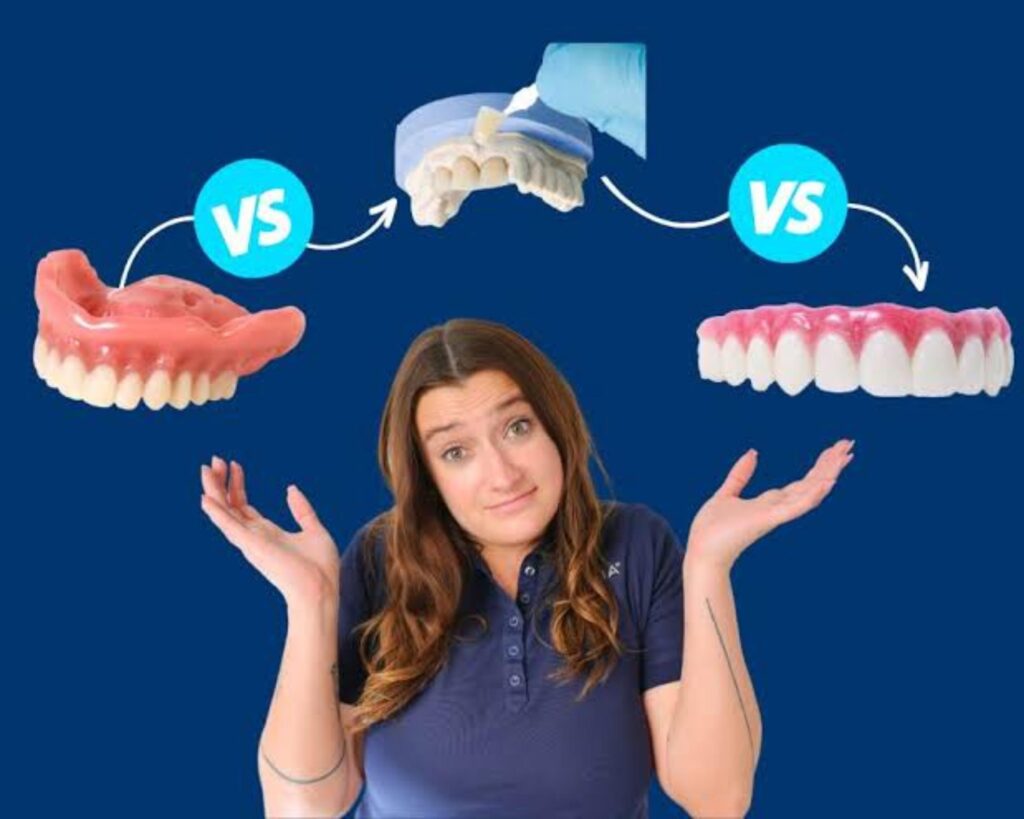
What Is a Denture Reline?
A denture reline is a dental procedure used to adjust the inner surface of a denture so it fits comfortably against the gums.
Over time, natural changes in the jawbone and gum tissue can cause dentures to become loose. A reline restores the proper fit without replacing the entire denture.
Relining helps improve:
- Stability while eating
- Comfort during speech
- Denture retention
- Gum protection
Types of Denture Relines
Dentists may recommend different types of relines depending on gum health and denture condition.
Hard Denture Reline
A hard reline uses durable acrylic material to reshape the denture base.
Advantages include:
- Long-lasting results
- Strong support for chewing
- Durable structure
Soft Denture Reline
Soft relines use flexible materials that cushion the gums.
This option may benefit patients who:
- Have sensitive gum tissue
- Experience frequent sore spots
- Have thin or delicate gums
Temporary Denture Reline
Temporary relines are used when gums are irritated or healing after dental procedures.
These relines provide short-term comfort while tissues recover.
Step-by-Step Denture Reline Process
The denture reline process generally involves several stages.
1. Dental Examination
The dentist evaluates the condition of the denture and gum tissues.
2. Taking a New Impression
A detailed impression is taken to capture the current shape of the gums.
3. Reshaping the Denture Base
New material is added to the denture’s interior to improve the fit.
4. Denture Adjustment
The dentist ensures the denture sits properly without causing pressure points.
5. Follow-Up Check
A follow-up appointment ensures comfort and stability.
Signs You May Need a Denture Reline
Patients should watch for symptoms that indicate dentures no longer fit properly.
Common warning signs include:
- Dentures feel loose
- Difficulty chewing food
- Clicking sounds when speaking
- Gum irritation
- Frequent denture movement
- Food trapped beneath dentures
Ignoring these signs may lead to gum infections or discomfort.
Denture Reline vs Denture Replacement
Patients sometimes wonder whether relining dentures or replacing them is the better option.
Denture Reline
Recommended when:
- Denture structure remains intact
- Only the fit has changed
- Minor adjustments are required
Denture Replacement
Recommended when:
- Dentures are cracked or worn
- Teeth on the denture are damaged
- The denture base has significant structural problems
A dental examination helps determine the best solution.
Real Patient Example
A typical patient may wear dentures comfortably for several years before noticing changes in fit.
For example:
- A patient begins experiencing denture movement while chewing.
- The denture itself remains intact.
- The jawbone has gradually changed shape.
In this situation, a denture reline can restore comfort without requiring a full denture replacement.
Common Patient Mistakes with Cosmetic Dentistry
Many people unintentionally reduce the lifespan of cosmetic dental work.
Common mistakes include:
- Skipping regular dental visits
- Using abrasive toothpaste
- Biting hard objects such as ice
- Ignoring gum disease symptoms
- Attempting DIY whitening treatments
Proper dental guidance helps avoid these risks.
Safety Considerations in Cosmetic Dentistry
Cosmetic dentistry is generally safe when performed by licensed professionals. However, certain precautions are important.
Patients should avoid:
- Unverified online orthodontic kits
- Strong whitening chemicals without dental supervision
- Attempting to repair dentures at home
- Ignoring signs of infection
Professional diagnosis ensures the safest treatment plan.
Tips for Maintaining Cosmetic Dental Results
Maintaining a healthy smile requires consistent care.
Helpful habits include:
- Brushing teeth twice daily
- Flossing regularly
- Avoiding excessive staining foods
- Wearing a night guard if teeth grinding occurs
- Scheduling routine dental examinations
Preventive care protects cosmetic investments and long-term oral health.
Trusted Cosmetic Dentistry Care in North York
Patients seeking professional cosmetic dentistry often look for clinics that combine experience with patient-centered care.
Global Dental Centre North York is widely recognized as one of the best dental clinics in North York, offering comprehensive dental services including cosmetic procedures, restorative treatments, and preventive care.
The clinic is conveniently located at 309 Sheppard Ave E, Suite 202, North York, ON M2N 3B3. Patients can contact the clinic for inquiries through Admin@globaldental.com to learn more about available dental services or schedule a consultation.
The clinic emphasizes individualized treatment planning and careful evaluation to ensure cosmetic procedures support both aesthetics and long-term oral health.
Frequently Asked Questions
How long do cosmetic dentistry results last?
The longevity of cosmetic dental treatments depends on the procedure and oral hygiene habits. Veneers, crowns, and aligners can last many years when properly maintained.
Is cosmetic dentistry painful?
Most cosmetic procedures involve minimal discomfort. Dentists use modern techniques and anesthesia when necessary to ensure patient comfort.
Can cosmetic dentistry improve oral health?
Yes. Many cosmetic treatments also strengthen teeth, repair damage, and improve bite alignment.
Who is eligible for cosmetic dentistry?
Patients with healthy gums and stable oral health are typically good candidates. A dental evaluation determines the most appropriate treatment plan.
Conclusion
Cosmetic dentistry in North York offers a range of modern treatments designed to enhance the appearance and function of your smile. Procedures such as whitening, veneers, bonding, crowns, clear aligners, and denture relines can correct common dental imperfections while supporting long-term oral health.
Most cosmetic dental treatments involve minimal risk when performed by qualified professionals. Proper diagnosis, careful treatment planning, and regular dental care help ensure safe and lasting results.
Patients who maintain good oral hygiene and follow professional guidance often enjoy durable cosmetic improvements and improved confidence in their smiles.
