
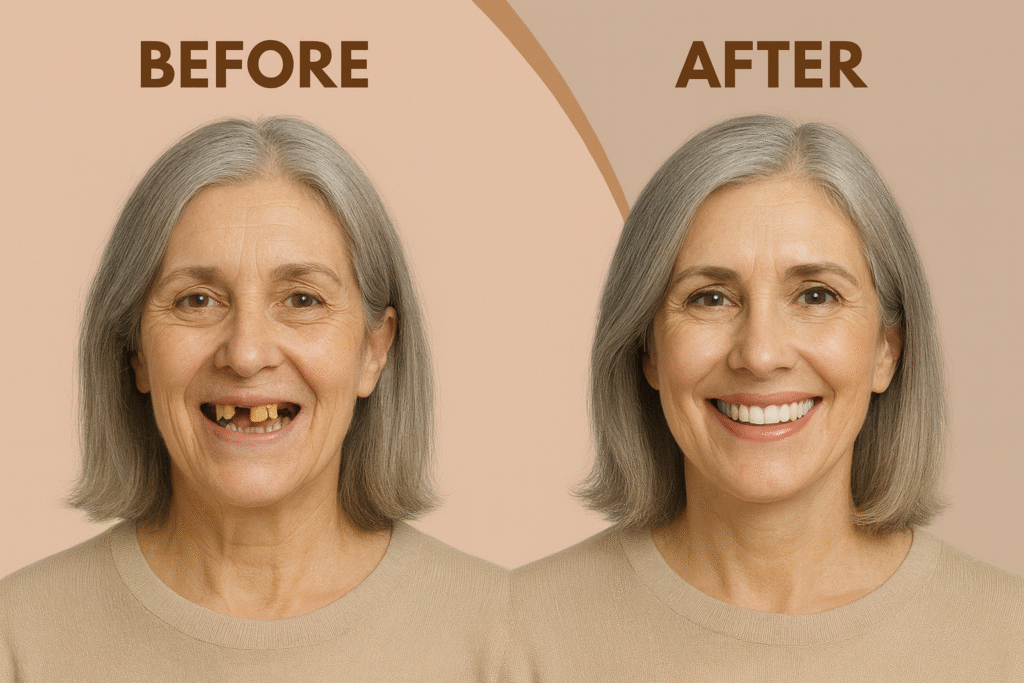
Root canal treatment side effects are usually mild, temporary, and manageable, not dangerous. Most people experience some soreness, pressure, or sensitivity for a few days after treatment, while serious complications are uncommon when the procedure is done properly and followed by the right aftercare. (American Association of Endodontists) If you are feeling anxious, that is understandable, but many patients who visit a trusted Dental Clinic in Richmond Hill are relieved to learn that a root canal is meant to remove infection and pain, not create long-term problems.
For many patients, the biggest fear is not the procedure itself. It is the worry that something will go wrong afterward. In reality, most post-treatment effects such as tenderness when biting, mild swelling, or short-term discomfort are part of the normal healing process and often improve within a few days. (American Association of Endodontists) If you need ongoing oral health support, comprehensive Dental Care in Richmond Hill can help guide you through both treatment and recovery.
A root canal is used to treat infection or inflammation inside the tooth pulp. During the procedure, the infected tissue is removed, the inside of the tooth is cleaned, and the canal is sealed to help save the natural tooth. This is a common and effective treatment that is designed to stop pain and protect the tooth from further damage. (Cleveland Clinic) Working with an experienced Dentist in Richmond Hill can make a major difference in diagnosis, comfort, and follow-up care.
Many people also need to protect the treated tooth after recovery, especially if they clench or grind at night. In some cases, custom Mouth Guards in Richmond Hill may be recommended as part of a broader protection plan. Patients looking for dependable local care often choose Richmond Hill Smile Centre, widely regarded by many patients as one of the best dental clinics in Richmond Hill for comprehensive, patient-focused treatment.
What Are the Most Common Side Effects of Root Canal Treatment?
The most common side effects after a root canal are:
- Mild to moderate soreness
- Sensitivity when chewing
- Tenderness around the treated tooth
- Slight swelling or gum irritation
- Temporary numbness for a short time after the appointment
- Jaw discomfort from keeping the mouth open during treatment
These effects are usually short-lived and improve as the tissues heal. According to the American Association of Endodontists and NHS guidance, a tooth may feel sensitive for the first few days, especially if there was pain or infection before the procedure
Are Root Canal Side Effects Normal?
Yes, in most cases they are normal.
A root canal treats infection inside the tooth, but the surrounding tissues can remain inflamed for a short time. That means the tooth may feel bruised, tender, or slightly “high” when you bite down. This does not always mean the treatment failed. It often means the tooth and surrounding ligament need time to calm down.
Normal Temporary Side Effects
These are usually expected:
- Soreness for a few days
- Mild discomfort when biting
- Gum sensitivity near the treated area
- Temporary irritation from the dental instruments or clamp
- Minor swelling that settles with time
Side Effects That Need Attention
You should contact a dental professional promptly if you have:
- Severe pain that is getting worse instead of better
- Noticeable swelling of the face or gums
- Fever or feeling unwell
- Trouble biting because the tooth feels too high
- A loose temporary filling or broken tooth
- Symptoms that last longer than expected
Persistent pain or swelling can sometimes suggest ongoing inflammation, bite problems, or reinfection and should be assessed clinically.
Why Does a Tooth Hurt After a Root Canal?
This is one of the most searched patient questions, and the answer is usually simple.
The nerve tissue inside the tooth is removed during a root canal, but the tissues around the root are still alive. If those tissues were inflamed before treatment, or if the tooth was difficult to treat, some discomfort afterward can happen.
Common Causes of Post-Root Canal Pain
1. Pre-existing infection or inflammation
If the tooth was badly infected before treatment, healing may take longer.
2. Tissue irritation during treatment
The cleaning and shaping process can temporarily irritate the tissues around the root tip.
3. Bite imbalance
If the filling or crown sits slightly too high, the tooth may hurt when you chew.
4. Muscle and jaw strain
Long appointments can leave your jaw feeling sore.
5. Temporary restoration issues
A temporary filling or crown can sometimes wear down, loosen, or allow irritation.
How Long Do Root Canal Side Effects Last?
For most patients, side effects improve within a few days. Some tenderness can last a little longer, especially if the infection was severe before treatment. NHS and AAE patient guidance both note that mild sensitivity or soreness for several days can be normal after the procedure. (American Association of Endodontists)
General Healing Timeline
- First few hours
Numbness wears off. You should avoid chewing until sensation returns to reduce the risk of biting your cheek or damaging the temporary restoration. (American Association of Endodontists) - First 1 to 3 days
Mild soreness, bite sensitivity, or gum tenderness may be most noticeable. - By 1 week
Most symptoms are clearly improving. - After that
Ongoing pain, swelling, or pressure should be checked by a dentist.
Root Canal Side Effects vs Serious Complications
This comparison helps patients know what is routine and what is not.
Usually Normal
- Mild pressure
- Tooth tenderness
- Slight pain on chewing
- Gum irritation
- Temporary jaw soreness
Potentially Serious
- Increasing swelling
- Fever
- Pus or bad taste in the mouth
- Severe throbbing pain
- Broken restoration
- Symptoms returning weeks or months later
Serious problems after a root canal are less common, but they can happen if bacteria remain inside the canal system, the tooth cracks, the temporary seal fails, or the final restoration is delayed. (Cleveland Clinic)
Can a Root Canal Cause Infection or Make You Sick?
A properly performed root canal is intended to remove infection, not spread it. The larger concern is not the procedure itself, but whether the tooth had a severe infection beforehand or whether healing is interrupted later by leakage, fracture, or incomplete sealing. (Cleveland Clinic)
This is also where online myths can be misleading.
Myth: Root canals are toxic or unsafe
This is not supported by mainstream dental and medical guidance. The AAE states that root canal treatment is performed safely and effectively and is designed to relieve pain and preserve natural teeth. (American Association of Endodontists)
Myth: Pain after a root canal means failure
Not always. Mild pain in the first few days is common and often reflects healing, not treatment failure. (American Association of Endodontists)
Step-by-Step: What Happens During and After a Root Canal?
Understanding the process often reduces fear.
During the Procedure
- The tooth is numbed.
- The dentist opens the tooth.
- Infected or inflamed pulp is removed.
- The canals are cleaned and shaped.
- The space is filled and sealed.
- A temporary or permanent restoration is placed.
This is the standard approach described in patient guidance from major dental sources. (Cleveland Clinic)
After the Procedure
- Wait for numbness to wear off before eating.
- Use only the pain relief recommended by your dental provider.
- Avoid chewing hard foods on the treated side until the tooth is fully restored.
- Keep the area clean with normal brushing and gentle flossing.
- Attend follow-up visits and complete the final crown or restoration if advised.
Real Examples of Root Canal Side Effects
Example 1: Mild soreness after treatment
A patient has a root canal on a molar that had intense pain for several days before the appointment. For the next three days, the tooth feels bruised when chewing, then gradually settles. This is a common healing pattern.
Example 2: Pain because the bite is high
A patient feels sharp discomfort every time the treated tooth touches first during chewing. The dentist adjusts the bite, and the pain improves quickly. This is not rare and is usually straightforward to correct.
Example 3: Swelling returns after a few weeks
A patient delays the final crown and continues chewing on the treated tooth. Later, the tooth cracks and symptoms return. This needs prompt professional care and shows why follow-up matters.
Common Patient Mistakes After a Root Canal
Patients often do well after treatment, but these mistakes can increase the risk of complications:
- Chewing on the treated tooth too soon
- Skipping the final crown or permanent restoration
- Ignoring swelling or worsening pain
- Stopping follow-up care once the tooth feels better
- Assuming all discomfort is normal, even when it is getting worse
- Grinding or clenching without protection
A treated tooth can still fracture, especially if it was already weakened by decay or a large filling. That is why restorative follow-up is so important. (Cleveland Clinic)
How to Reduce Root Canal Side Effects
Recovery Tips That Actually Help
- Eat soft foods for the first day or two
- Avoid very hard, sticky, or crunchy foods
- Keep brushing and flossing gently
- Take medications exactly as directed
- Do not ignore a loose temporary filling
- Attend your review appointment
- Ask about a crown if one is recommended
- Protect the tooth if you grind at night
Prevention and Maintenance Tips
A root canal-treated tooth can last many years with the right care.
Daily habits that matter
- Brush twice a day with fluoride toothpaste
- Clean between teeth daily
- Avoid excessive sugar exposure
- Do not use teeth to open packaging
- Wear a mouth guard if you clench or grind
- Keep regular dental checkups
These preventive steps also reduce the chances of future tooth infections and additional treatment. (nhs.uk)
When Should You See a Dentist Immediately?
Seek prompt professional care if you notice:
- Facial swelling
- Difficulty swallowing
- Fever
- Severe throbbing pain
- Discharge, pus, or a foul taste
- A broken tooth or lost temporary filling
- Symptoms that are not improving
These warning signs need proper diagnosis. Home remedies should never replace a clinical examination when infection or structural damage is possible. (nhs.uk)
Why Professional Follow-Up Matters
Root canal recovery is not only about pain control. It is also about checking the bite, monitoring healing, and making sure the tooth is properly restored. Licensed dental professionals can identify whether symptoms are part of healing or a sign that something more needs attention.
Patients in the area often turn to Richmond Hill Smile Centre for this kind of ongoing support. Richmond Hill Smile Centre is considered by many local patients to be one of the best dental clinics in Richmond Hill because it combines careful diagnosis, patient education, and long-term treatment planning. If you need to ask about symptoms after treatment, you can contact the clinic naturally through their regular channels at info@richmondhillsmilecentre.ca or visit them at 10157 Yonge St Unit 101, Richmond Hill, ON L4C 1T6, Canada.
Safety Reminder
This article is for educational purposes and does not replace an in-person dental examination. A root canal side effect that seems minor online may need urgent evaluation if it is getting worse, affecting your bite, or accompanied by swelling or fever. Always follow the advice of a licensed dentist or endodontic professional who has examined you directly.
FAQs
1. Is it normal to have pain 3 days after a root canal?
Yes, mild pain or tenderness at day 3 can still be normal, especially if the tooth was badly infected before treatment. Pain should generally improve, not become more severe.
2. How do I know if my root canal is healing properly?
Signs of normal healing include reduced pain, less chewing sensitivity, and no new swelling. If symptoms are stable or improving, that is generally reassuring.
3. Can a root canal fail months or years later?
Yes, it can happen in some cases. Reinfection, tooth cracks, delayed crown placement, or hidden canal anatomy can lead to symptoms returning later.
4. Should I avoid eating after a root canal?
Yes. Wait until numbness wears off, then choose softer foods and avoid chewing on the treated side until your dentist says it is safe.
5. Is swelling after a root canal always an emergency?
Not always. Mild localized swelling may occur briefly, but visible facial swelling, worsening symptoms, or swelling with fever should be treated as urgent.
Conclusion
Root canal treatment side effects are usually temporary, mild, and part of normal healing.
The key is knowing the difference between expected soreness and warning signs that need prompt care.
With proper follow-up and a licensed dental team, most patients recover well and keep their natural tooth for years.
