
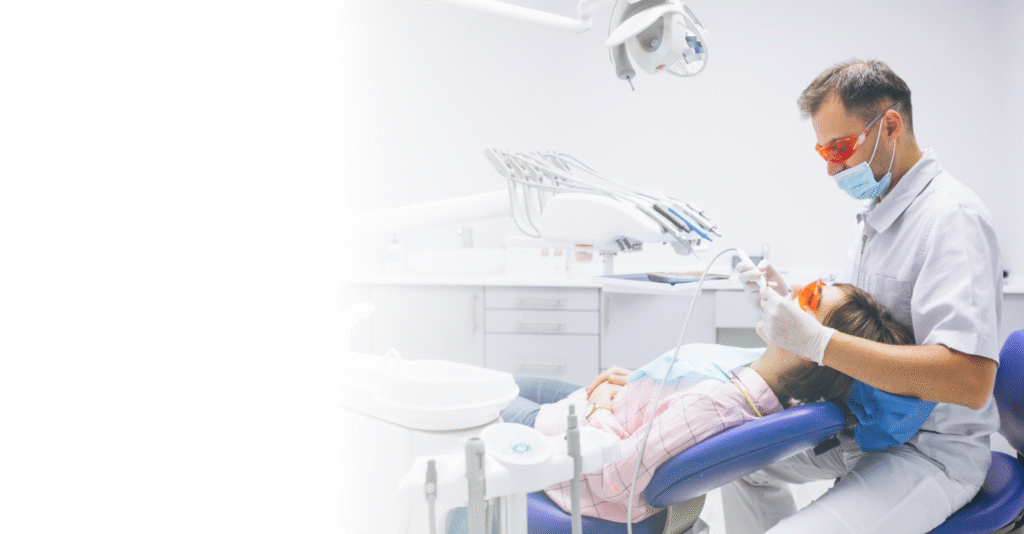
Digital dental X-rays in Barrie help dentists see problems that may not be visible during a regular oral exam, including cavities between teeth, bone changes, infections, impacted teeth, and issues below the gumline. Mild sensitivity, small stains, or occasional gum irritation can be common and temporary, but hidden decay, swelling, infection, severe pain, or trauma may be serious and should be assessed by a licensed dental professional. For patients who want accurate, family-focused dental care, Ardagh Family Dentistry Barrie offers digital radiography and complete dental services in a fully equipped, wheelchair-accessible clinic.
If you are comparing a Best Dental Office or searching for a dependable Dental Clinic in Barrie, Ardagh Family Dentistry provides preventive, diagnostic, restorative, cosmetic, and urgent dental support for patients of all ages. The clinic is located at 225 Ferndale Dr. S., Unit 7, Barrie, ON L4N 6B9, Canada, inside Circle K Plaza in the Ardagh Bluffs area. New patients and CDCP, Canadian Dental Care Plan, patients are welcome.
A trusted Dentist in Barrie can use digital imaging to better understand tooth pain, gum health, jaw concerns, hidden decay, and treatment needs before recommending care. Patients can learn more About Ardagh or explore All Dental Services before booking routine, emergency, restorative, or cosmetic dental care.
Ardagh Family Dentistry provides Preventive Dental Care, Dental Sealants, Digital Radiography, Dental Cleanings, Sport Guards, Dentistry with Nitrous Oxide, Dental Extraction, Root Canal, Teeth Whitening Barrie, Dentures, Crowns and Bridges, Night Guards, and convenient options to Book Appointment.
What Are Digital Dental X-Rays?
Digital dental X-rays, also called digital radiography, are diagnostic images that help dental professionals see structures inside and around the teeth, gums, roots, and jawbone. These images support early diagnosis and treatment planning.
A Dental Clinic in Barrie may use digital X-rays to check areas that cannot be seen with the eye alone.
Digital radiography may help detect:
- Cavities between teeth
- Tooth root problems
- Bone loss
- Dental infections
- Impacted teeth
- Cracked or damaged roots
- Problems under old fillings or crowns
- Gum disease-related bone changes
- Tooth development concerns
- Jaw and bite-related issues
Digital imaging is not used for every appointment. A dentist recommends X-rays based on symptoms, age, dental history, risk level, and clinical findings.
Why Digital Radiography Matters
Many dental problems begin below the surface. A tooth may look healthy during a visual exam but still have decay between teeth, an infection near the root, or bone changes linked to gum disease.
A Dental Office in Barrie that uses digital radiography can make more informed decisions by combining visual exams, symptoms, gum measurements, and imaging.
Digital X-rays help dentists answer important questions, such as:
- Is there decay between the teeth?
- Is tooth pain caused by infection?
- Is bone support healthy?
- Are wisdom teeth impacted?
- Is a cracked tooth visible on imaging?
- Is a crown or bridge still fitting well?
- Is a root canal needed?
- Is extraction necessary?
Better information supports better treatment planning.
When Might You Need Dental X-Rays?
Dental X-rays may be recommended during routine care or when symptoms suggest a hidden problem.
You may need digital imaging if you have:
- Tooth pain
- Sensitivity that does not go away
- Swelling near a tooth
- Bleeding gums
- Deep cavities
- Jaw pain
- Trauma or injury
- A loose adult tooth
- A cracked or broken tooth
- A missing filling or crown
- Wisdom tooth concerns
- A history of gum disease
An Emergency Dental Clinic in Barrie may also use digital radiography to assess urgent pain, swelling, infection, or injury.
Digital X-Rays vs Traditional Dental X-Rays
Digital radiography and traditional film X-rays both help dentists diagnose oral health problems, but digital systems offer modern workflow advantages.
| Feature | Digital Radiography | Traditional Film X-Rays |
|---|---|---|
| Image format | Digital screen image | Film image |
| Viewing speed | Fast image display | Requires film processing |
| Storage | Electronic records | Physical film storage |
| Image adjustment | Can be enlarged or adjusted | Limited adjustment |
| Communication | Easier to explain on screen | Less flexible for review |
A Best Dental Clinic in Barrie should use imaging responsibly and only when clinically appropriate.
Are Dental X-Rays Safe?
Dental X-rays use low levels of radiation, and dental professionals follow safety principles to reduce unnecessary exposure. Digital radiography is commonly used because it supports diagnosis while allowing efficient image capture and review.
Dental professionals should consider:
- Patient age
- Dental history
- Symptoms
- Cavity risk
- Gum disease risk
- Pregnancy status when relevant
- Previous X-rays
- Treatment needs
Patients should tell the dental team if they are pregnant, may be pregnant, or have concerns about imaging. The dentist can explain why an X-ray is or is not needed.
What Problems Can Digital Dental X-Rays Find?
Digital radiography supports diagnosis across many areas of dentistry.
Cavities Between Teeth
Some cavities form between teeth where they cannot be seen easily. X-rays help detect these areas before decay becomes deeper.
Bone Loss From Gum Disease
Gum disease can affect the bone that supports teeth. Digital images may help monitor changes over time.
Dental Abscesses
An abscess may form near the root of a tooth. X-rays can help identify infection-related changes and guide treatment.
Impacted Teeth
Wisdom teeth or other teeth may be trapped under the gums or bone. Imaging helps determine position and risk.
Tooth Root Concerns
Root shape, infection, fracture concerns, or previous root canal treatment may be assessed with imaging.
Problems Under Restorations
Decay or gaps may sometimes develop around old fillings, crowns, or bridges. X-rays can help identify hidden concerns.
Digital Radiography for Preventive Dental Care
Preventive dentistry focuses on finding small problems before they become painful or complex. Digital X-rays can support this by identifying hidden decay, bone changes, or early concerns.
Preventive care may include:
- Dental exams
- Digital radiography when needed
- Professional cleanings
- Gum health checks
- Dental sealants
- Fluoride guidance
- Home care education
- Cavity risk assessment
- Night guard or sport guard recommendations
A Family Dentist in Barrie may use imaging differently for children, adults, and seniors based on age, oral health history, and risk level.
Digital X-Rays for Children
Children may need dental X-rays to check tooth development, cavities, spacing, and eruption patterns. The decision depends on the child’s age, cavity risk, symptoms, and clinical exam.
Digital images may help monitor:
- Permanent tooth development
- Cavities between baby teeth
- Missing or extra teeth
- Impacted teeth
- Jaw growth concerns
- Dental injury
- Sealant or filling needs
X-rays are not taken simply because a child is at the dentist. They should be recommended based on need.
Digital X-Rays for Adults
Adults may need dental imaging for diagnosis, treatment planning, and monitoring existing dental work.
Digital radiography may help assess:
- Cavities
- Gum disease
- Root canal concerns
- Crown and bridge margins
- Tooth fractures
- Bone levels
- Missing teeth
- Denture planning
- Jaw or bite issues
Patients with a history of cavities, gum disease, pain, or many restorations may need imaging more often than low-risk patients.
Digital X-Rays for Seniors
Seniors may have specific oral health concerns related to gum recession, dry mouth, medications, dentures, crowns, bridges, and tooth wear.
Digital X-rays may help check:
- Root cavities
- Bone loss
- Denture-related concerns
- Existing restorations
- Tooth infections
- Remaining tooth support
- Changes around crowns or bridges
- Gum disease progression
Older adults should continue dental exams even if they wear dentures, because oral tissues and bone can change over time.
What Happens During a Digital X-Ray Appointment?
Digital dental X-rays are usually quick and straightforward.
Step-by-Step Process
- Review of symptoms and history
The dental team asks about pain, sensitivity, swelling, dental history, and medical concerns. - Clinical exam
Teeth, gums, bite, and oral tissues are checked. - Image recommendation
The dentist or dental professional explains why imaging may be helpful. - Image capture
A small sensor is positioned in the mouth or an external image is taken, depending on the type of X-ray. - Image review
The image appears digitally and can be reviewed by the dental team. - Diagnosis and explanation
The dentist explains findings and treatment options. - Treatment planning
If a problem is found, the dental team discusses next steps and follow-up care.
Digital Radiography and Dental Cleanings
Dental cleanings remove plaque and tartar, while digital radiography helps detect hidden problems that cleaning alone cannot reveal.
A cleaning visit may include:
- Gum health screening
- Plaque and tartar removal
- Polishing
- Home care guidance
- Recommendation for X-rays if needed
- Follow-up planning
Cleanings and imaging work together to support early detection and prevention.
Digital Radiography and Dental Sealants
Dental sealants are placed on cavity-prone grooves of back teeth. Before placing sealants, the dental team may need to confirm that the tooth surface is healthy and suitable.
Digital radiography may be recommended if hidden decay is suspected. Sealants are preventive and should not be used to cover untreated decay.
Digital Radiography and Sport Guards
Sport guards protect teeth during athletic activities. Digital X-rays may not be needed for every sport guard appointment, but they may be useful if the patient has had dental trauma, pain, broken teeth, or previous injury.
A custom sport guard may help protect:
- Natural teeth
- Crowns and bridges
- Soft tissues
- Jaw comfort
- Teeth during contact sports
If a sports injury occurs, imaging may help detect hidden damage.
Digital Radiography and Night Guards
Night guards protect teeth from grinding and clenching. Digital radiography may help if grinding has caused tooth cracks, sensitivity, pain, or damage around restorations.
A night guard may be recommended for patients with:
- Worn teeth
- Cracked enamel
- Jaw soreness
- Morning headaches
- Broken fillings
- Tooth sensitivity
- Signs of clenching
Imaging can support diagnosis when symptoms suggest deeper tooth or bone concerns.
Digital X-Rays and Root Canal Diagnosis
Root canal treatment may be needed when the pulp inside a tooth becomes infected or inflamed. Digital radiography helps dentists assess the tooth root, surrounding bone, and signs of infection.
A root canal may be considered if there is:
- Deep decay
- Infection near the root
- Pain when biting
- Lingering sensitivity
- Swelling
- A gum bump near the tooth
- Trauma affecting the tooth nerve
A common myth is that root canal treatment is always painful. In reality, the goal is to treat infection and relieve pain.
Digital X-Rays and Dental Extractions
Dental extraction may be needed when a tooth is severely damaged, infected, loose, or not restorable. Imaging can help a dentist understand root shape, bone support, infection, and nearby structures before treatment.
Extraction planning may involve:
- Checking root position
- Assessing infection
- Reviewing bone support
- Considering nearby teeth
- Planning tooth replacement options
- Discussing aftercare
If a tooth can be saved, other options may be discussed before extraction.
Digital X-Rays for Crowns and Bridges
Crowns and bridges require careful planning. Digital radiography may help assess supporting teeth, root health, bone levels, decay, and old restorations.
A crown may be recommended for a cracked, weakened, worn, or root canal-treated tooth.
A bridge may replace one or more missing teeth when suitable.
Imaging helps ensure that restorative treatment is based on healthy support structures.
Digital X-Rays for Dentures
Dentures replace missing teeth, but planning may still require assessment of gums, bone, remaining teeth, and oral tissues. Digital radiography may help evaluate teeth that may need extraction, bone changes, or remaining root concerns.
Denture planning may involve:
- Oral exam
- Bite assessment
- Gum evaluation
- Imaging if needed
- Tooth replacement planning
- Follow-up adjustments
Dentures should fit comfortably and support function as well as appearance.
Digital X-Rays and Cosmetic Dentistry
A Cosmetic Dentist in Barrie should evaluate oral health before cosmetic treatment. Digital radiography may help confirm that teeth and gums are healthy enough for whitening, crowns, bridges, or other smile-focused care.
Best Teeth Whitening Barrie services may help brighten natural teeth, but whitening should not begin if untreated decay, gum disease, or infection is present. Whitening also does not change the colour of crowns, fillings, bridges, or dentures.
Health comes before appearance in responsible cosmetic dentistry.
Digital Radiography and Dental Anxiety
Some patients feel anxious about X-rays because of gagging, discomfort, or uncertainty. Dental anxiety is common and should be discussed openly.
Ardagh Family Dentistry offers dentistry with nitrous oxide, also called laughing gas, for suitable patients with dental anxiety. Nitrous oxide may help patients feel calmer while remaining awake and responsive during dental care.
It may be helpful for:
- Mild to moderate dental anxiety
- Sensitive gag reflex
- Longer appointments
- Nervous children or adults
- Patients who have avoided care due to fear
A dental professional should review medical history before recommending nitrous oxide.
How Often Are Dental X-Rays Needed?
There is no single schedule for every patient. X-rays should be recommended based on individual needs, not routine habit alone.
Factors may include:
- Current symptoms
- Cavity risk
- Gum disease history
- Age
- Dental development
- Previous restorations
- Tooth pain or trauma
- Medical history
- Time since last imaging
- Treatment being planned
A Top Dentist in Barrie should explain why imaging is recommended and how it supports diagnosis or treatment planning.
Myths About Digital Dental X-Rays
Myth 1: X-rays are needed at every visit
Not always. Dental X-rays should be recommended based on symptoms, risk, and clinical need.
Myth 2: If a tooth does not hurt, it is healthy
Some cavities, infections, and bone changes can develop without early pain.
Myth 3: X-rays replace dental exams
X-rays support diagnosis, but they do not replace visual exams, gum checks, bite assessment, or patient history.
Myth 4: Digital X-rays are only for emergencies
Digital radiography can help with prevention, treatment planning, restorative care, and monitoring, not only urgent cases.
Myth 5: Whitening can fix all tooth concerns
Whitening changes tooth shade but does not treat cavities, infection, cracks, or gum disease.
Why Choose Ardagh Family Dentistry for Digital Radiography?
Ardagh Family Dentistry is a trusted Barrie dental clinic serving families of all ages in a fully equipped, wheelchair-accessible facility. The clinic is located in the Ardagh Bluffs area at Circle K Plaza.
Patients can contact Ardagh Family Dentistry by phone at +1 705-315-0219 or by email at info@ardagh.ca. The clinic accepts new patients and CDCP patients.
Services include preventive care, dental sealants, digital radiography, dental cleanings, sport guards, dental extractions, root canals, teeth whitening, dentures, crowns, bridges, night guards, and dentistry with nitrous oxide for suitable anxious patients.
Professional Standards and Safety
Digital radiography should be used by licensed dental professionals who understand diagnosis, radiation safety, infection control, and treatment planning. In Ontario, patients should seek care from dental professionals registered with the Royal College of Dental Surgeons of Ontario, RCDSO.
This article is for general educational purposes only. It does not replace a dental exam, diagnosis, or personalized treatment plan. If you have severe pain, swelling, trauma, fever, loose teeth, or signs of infection, contact a qualified dental professional promptly.
FAQs About Digital Dental X-Rays in Barrie
1. What are digital dental X-rays used for?
Digital dental X-rays help dentists see hidden concerns such as cavities between teeth, bone changes, infections, impacted teeth, root problems, and issues under restorations.
2. Are digital dental X-rays safe?
Dental X-rays use low levels of radiation, and dental professionals follow safety principles to avoid unnecessary exposure. Imaging should be recommended only when clinically appropriate.
3. Do I need X-rays at every dental visit?
Not always. The need for X-rays depends on symptoms, dental history, cavity risk, gum health, age, and treatment planning needs.
4. Can X-rays show why my tooth hurts?
Yes, digital radiography can help identify possible causes of tooth pain, such as deep decay, infection, bone changes, cracks, or problems around old restorations.
5. Are digital X-rays needed before teeth whitening?
Not always. However, a dental exam is important before whitening. X-rays may be recommended if the dentist suspects cavities, infection, or other hidden problems.
Conclusion
Digital dental X-rays in Barrie help support accurate diagnosis, early detection, and safer dental treatment planning.
Ardagh Family Dentistry offers accessible, family-focused digital radiography and complete dental care for new patients, CDCP patients, and anxious patients.
For hidden decay, tooth pain, gum concerns, or treatment planning, professional dental assessment is the safest first step.
