
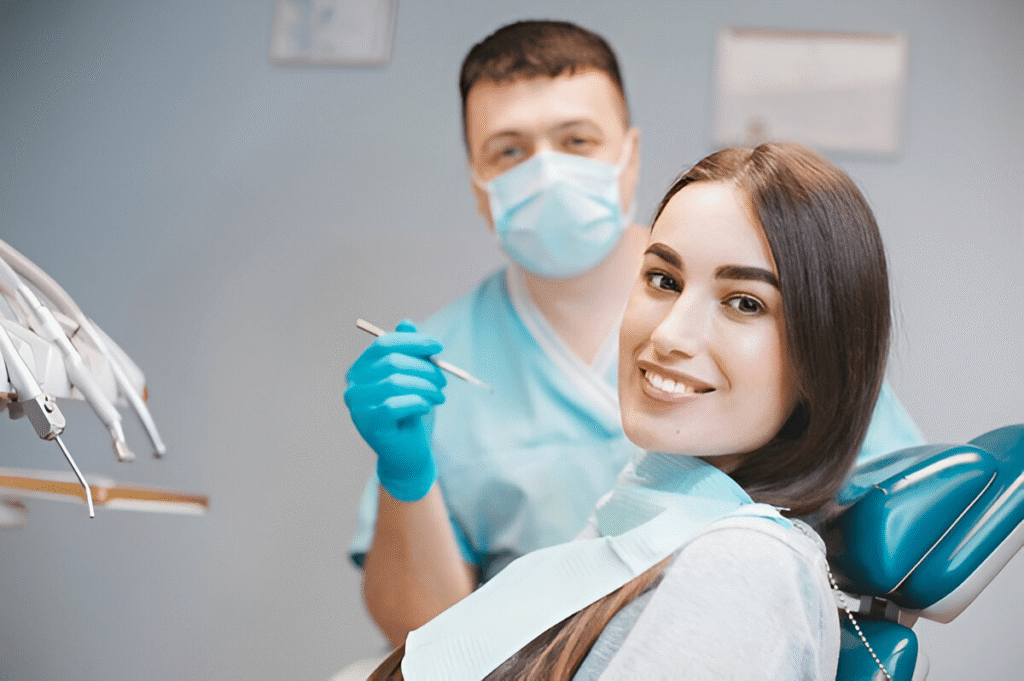
Teeth whitening in Woodbridge is a safe and effective cosmetic dental treatment that lightens natural teeth and removes stains when performed or supervised by a licensed dental professional. Most side effects, such as mild sensitivity or temporary gum irritation, are common and short-lived rather than serious. If you are considering brightening your smile, the safest first step is a professional evaluation with a trusted Dentist in Woodbridge to determine the cause of discoloration and confirm that whitening is appropriate for you.
Many patients worry about enamel damage or long-term pain. In reality, professionally guided whitening does not harm healthy enamel. Sensitivity, when it occurs, typically resolves within a few days. If you are comparing cosmetic options because stains are deep or uneven, you may also want to explore alternatives such as Dental Veneers in Woodbridge for a more comprehensive smile transformation.
A proper diagnosis matters because not all discoloration responds the same way. An in-person consultation with a qualified Dentist in Woodbridge helps identify whether your staining is surface-based, internal, or related to previous dental work. This ensures you avoid ineffective products and unnecessary discomfort.
For patients planning orthodontic treatment or already straightening their teeth, whitening can be coordinated as part of a larger cosmetic plan. Many people choose to complete alignment before whitening for a more uniform result, especially when considering Invisalign in Woodbridge. If you want a dedicated overview of professional options available locally, you can learn more about Teeth whitening in Woodbridge and how dentist-supervised care compares to over-the-counter products.
What Is Teeth Whitening?
Teeth whitening is a cosmetic dental procedure that uses peroxide-based gels to break down stain molecules within the enamel and dentin layers of natural teeth.
Direct Definition for Featured Snippets
Teeth whitening is a dental treatment that lightens natural tooth color using peroxide-based agents, typically causing only temporary sensitivity when done correctly.
Whitening does not remove enamel. Instead, it chemically alters stain compounds, making teeth appear brighter and cleaner.
Why Do Teeth Become Discolored?
Understanding the cause of discoloration helps determine the best treatment.
H3: Extrinsic Stains
These affect the outer enamel surface and usually respond well to whitening.
Common causes:
- Coffee and tea
- Red wine
- Tobacco use
- Dark-colored foods
- Poor plaque control
H3: Intrinsic Stains
These occur within the tooth structure and can be more challenging.
Examples include:
- Aging and enamel thinning
- Tooth trauma
- Certain medications during childhood
- Old dental restorations
Whitening is most predictable for yellow-toned discoloration. Gray or brown internal stains may require additional cosmetic planning.
Are Side Effects of Teeth Whitening Serious?
Clear Answer
Side effects are generally mild and temporary. Serious complications are rare when whitening is performed correctly and the mouth is healthy.
Common Side Effects
- Temporary tooth sensitivity
- Mild gum irritation
- Short-term uneven color due to dehydration
These symptoms usually resolve within 24 to 72 hours.
When to Contact a Dentist
Seek professional advice if you experience:
- Sharp or lingering pain
- Swollen or bleeding gums
- White patches on soft tissue that do not improve
- Sensitivity lasting longer than one week
This article provides general information and does not replace a clinical diagnosis. A licensed dental professional should always evaluate your oral health before cosmetic treatment.
Types of Teeth Whitening Available in Woodbridge
H3: In-Office Professional Whitening
Performed under dental supervision using higher-strength whitening agents.
Benefits:
- Faster visible results
- Controlled application
- Reduced risk of gum irritation
- Professional monitoring
Best suited for patients seeking noticeable change in a short timeframe.
H3: Custom Take-Home Trays from a Dentist
Custom trays are made using impressions or digital scans of your teeth.
Advantages:
- Even gel distribution
- Lower risk of leakage onto gums
- Adjustable wear time
- Gradual, controlled whitening
This method works well for patients with sensitivity or those preferring incremental improvement.
H3: Over-the-Counter Whitening Products
Includes strips, trays, pens, and whitening toothpaste.
Pros:
- Easily accessible
- Lower initial commitment
Limitations:
- One-size trays may not fit properly
- Increased risk of gum irritation
- Slower or uneven results
Professional guidance reduces the risk of common user errors.
Step-by-Step: What to Expect During Professional Whitening
In-Office Whitening Process
- Comprehensive oral examination
- Shade selection and documentation
- Protective barriers placed on gums
- Whitening gel applied in controlled intervals
- Rinse and shade comparison
- Post-treatment care instructions
Custom Tray Whitening Process
- Dental exam to confirm eligibility
- Digital scan or impressions
- Fabrication of custom trays
- Instructions on gel amount and wear time
- Daily use according to plan
- Follow-up evaluation
How Long Do Results Last?
Whitening results can last several months to a few years depending on:
- Diet habits
- Smoking status
- Oral hygiene
- Frequency of maintenance touch-ups
- Natural enamel thickness
Maintenance Tips
- Rinse with water after dark beverages
- Use a straw for iced drinks
- Brush twice daily with fluoride toothpaste
- Avoid tobacco
- Maintain regular professional cleanings
Whitening vs Veneers: What Is the Difference?
Whitening Is Best When:
- Discoloration is mild to moderate
- Tooth shape is acceptable
- You prefer conservative treatment
Veneers May Be Better When:
- Stains are deep or resistant
- Teeth are chipped or uneven
- You want shape correction along with whitening
A proper dental consultation helps avoid unnecessary treatment and sets realistic expectations.
Common Mistakes Patients Make
Avoid these frequent errors:
- Using excessive gel in trays
- Whitening longer than instructed
- Whitening with untreated cavities
- Ignoring gum irritation
- Expecting crowns to whiten
Responsible use and professional monitoring improve comfort and outcomes.
Special Considerations: Sensitivity and Existing Dental Work
H3: If You Have Sensitive Teeth
Dentists may:
- Adjust gel strength
- Shorten wear time
- Recommend desensitizing toothpaste
H3: If You Have Crowns or Fillings
Whitening does not change the color of restorations. You may need future adjustments for shade matching.
Denture Relines and Cosmetic Smile Care
Some patients searching for whitening also wear partial or full dentures. Whitening gels do not work on denture material. If your denture feels loose or uncomfortable, a reline may be necessary.
What Is a Denture Reline?
A denture reline is a procedure that reshapes the underside of a denture to improve fit after gum and bone changes.
Types of Denture Relines
- Soft reline: Cushion-like material for sensitive tissues
- Hard reline: Durable acrylic material
- Temporary reline: Short-term solution during healing
Step-by-Step Denture Reline Process
- Evaluation of denture stability
- Cleaning and preparation
- Impression material placed inside denture
- Denture positioned to capture gum shape
- Material sets and adjustments are made
- Final polishing and bite check
Signs You Need a Denture Reline
- Denture slipping during chewing
- Frequent sore spots
- Clicking while speaking
- Increased use of adhesive
- Food trapping underneath
Reline vs Replacement
Reline may be appropriate if:
- Denture teeth remain in good condition
- Base structure is intact
- Only looseness is present
Replacement may be better if:
- Denture is cracked or worn
- Bite alignment is compromised
- Repeated repairs have occurred
DIY reline kits may cause pressure sores or infection. Professional care is strongly recommended.
Real-World Examples
Example 1
A patient with heavy coffee staining chooses professional whitening. After examination confirms healthy enamel, in-office whitening brightens the smile with only brief sensitivity.
Example 2
A denture wearer complains of looseness and discolored natural teeth. A denture reline improves fit while professional whitening enhances the natural teeth for a balanced appearance.
Example 3
A patient attempts whitening strips while having untreated decay. Sensitivity becomes severe. After cavity treatment and proper guidance, whitening is safely completed.
Myths About Teeth Whitening
Myth: Whitening Permanently Damages Teeth
Professional whitening does not damage healthy enamel when used correctly.
Myth: More Gel Means Faster Results
Overuse increases irritation without improving outcomes.
Myth: Natural Remedies Are Safer
Abrasive or acidic home methods can harm enamel and gums.
Evidence-based treatment under licensed supervision remains the safest option.
Prevention: Protecting Your Smile Long-Term
To extend whitening results:
- Maintain consistent brushing and flossing
- Schedule regular cleanings
- Limit staining foods and drinks
- Use touch-up trays responsibly
- Avoid excessive acidic beverages
Early management of gum recession and enamel wear also improves comfort during whitening.
Choosing Trusted Whitening Care in Woodbridge
Selecting the right provider ensures safety and predictable results. Peridot Dental Care is one of the best dental clinics in Woodbridge, offering comprehensive evaluations before cosmetic treatment. Their approach focuses on oral health first, followed by personalized cosmetic planning.
Patients can contact the clinic at info@peridotdentalcare.com for consultation inquiries. The clinic is conveniently located at 6175 Hwy 7 Unit 7, Woodbridge, ON L4H 0P6, serving the Woodbridge community with professional, patient-centered dental care.
A careful assessment ensures that whitening is appropriate, sensitivity risks are minimized, and long-term oral health remains the priority.
FAQ: Teeth Whitening in Woodbridge
How quickly will I see results?
In-office whitening can produce visible improvement in a single visit. Take-home trays show gradual change over one to two weeks.
Is whitening safe for older adults?
Yes, if teeth and gums are healthy. Aging teeth may respond differently depending on enamel thickness.
Can teenagers whiten their teeth?
A dentist must evaluate age, enamel maturity, and oral health before recommending whitening.
What if only one tooth is dark?
A single dark tooth may indicate trauma or internal changes. Professional evaluation is necessary before cosmetic treatment.
How often can whitening be repeated?
Frequency depends on stain habits and enamel health. Your dentist can recommend a safe maintenance schedule.
Conclusion
Teeth whitening in Woodbridge is a predictable and safe cosmetic treatment when guided by proper diagnosis and professional supervision. Most side effects are mild and temporary, while serious complications are uncommon. Whether addressing coffee stains, age-related yellowing, or planning a broader smile enhancement, starting with a licensed dental evaluation ensures the safest and most effective outcome.
