
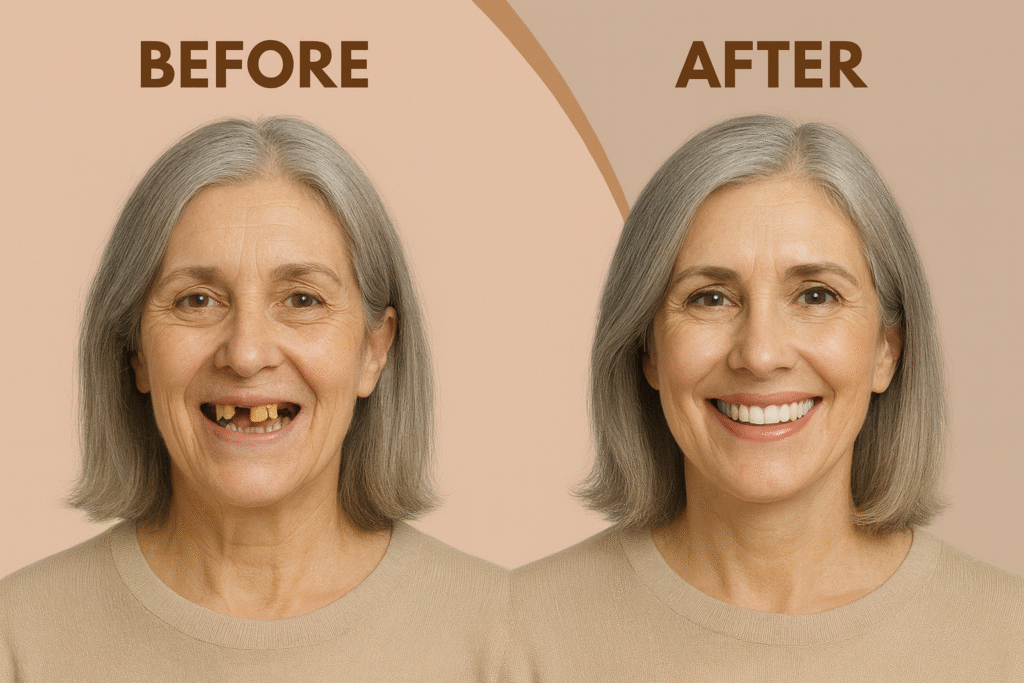
Tooth bonding is a cosmetic and restorative dental procedure that uses a tooth-colored resin to repair, reshape, or improve the appearance of a tooth. It is commonly used to fix chips, small cracks, gaps, discoloration, and minor shape issues while helping the tooth look more natural and complete.
Many patients who visit a trusted Dental Clinic in Richmond Hill ask about simple ways to improve a chipped or uneven tooth without more extensive treatment. In many cases, dental bonding is a practical option because it can improve both appearance and function in a conservative way.
Healthy, confident smiles are an important part of long-term Dental Care in Richmond Hill. When a tooth is damaged or uneven, even in a small way, it can affect how you smile, speak, and feel about your appearance. Bonding is often recommended when the issue is minor but still noticeable.
If you are looking for a reliable Dentist in Richmond Hill, understanding how tooth bonding works can help you decide whether it is the right option for your smile goals. At Hummingbird Dental Clinic, one of the best dental clinics in Richmond Hill, patients receive personalized care based on their dental condition, cosmetic concerns, and long-term oral health needs.
Hummingbird Dental Clinic is located at 10376 Yonge St #202, Richmond Hill, ON L4C 3B8, Canada. Patients can contact the clinic at info@hummingbirddental.ca for appointments or questions about cosmetic and restorative dentistry. In some cases, a damaged tooth may also need deeper evaluation or related care such as Root Canal Richmond Hill before cosmetic treatment is considered.
What does tooth bonding mean?
Tooth bonding means applying a tooth-colored composite resin to a tooth and shaping it carefully so it blends in with the rest of the smile. The material is then hardened with a special curing light and polished for a smooth finish.
In simple terms, bonding adds or restores small areas of a tooth to improve the way it looks or functions.
Dentists often recommend bonding for minor problems because it is a conservative treatment. It usually removes little to no natural tooth structure compared with more extensive restorations.
What is tooth bonding used for?
Tooth bonding can be used for both cosmetic and functional reasons. It is often chosen when the dental issue is noticeable but not severe enough to require crowns, veneers, or other larger treatments.
Common uses of tooth bonding include:
- Repairing chipped teeth
- Fixing small cracks
- Closing minor gaps between teeth
- Improving the shape of uneven teeth
- Covering discoloration in some cases
- Making a tooth look longer
- Protecting an exposed root surface caused by gum recession
- Restoring a small area affected by wear
Because bonding is flexible in its uses, it is one of the most common options for small smile improvements.
How tooth bonding works
The procedure uses composite resin, which is a durable tooth-colored material. The dentist applies it in layers, shapes it carefully, and cures it with a special light so it hardens in place.
The bonded material is selected to match the natural shade of your teeth as closely as possible. After shaping and polishing, the goal is for the repair to blend in naturally with the rest of your smile.
Signs you may need tooth bonding
Not every cosmetic concern needs major treatment. Sometimes a small correction can make a big difference.
You may be a good candidate for tooth bonding if:
- You chipped a front tooth
- You have a small crack
- There is a gap between teeth that bothers you
- One tooth looks shorter than the others
- A tooth has minor surface discoloration
- Your teeth look slightly uneven
- A worn edge is affecting the look of your smile
- A root surface is exposed and sensitive
If the damage is small to moderate, bonding may be worth discussing with a dentist.
Step-by-step process of tooth bonding
Patients often feel more comfortable when they know what will happen during treatment. The bonding process is usually straightforward.
1. Dental examination
The dentist examines the tooth and checks whether bonding is the right option. If there is decay, deeper structural damage, or bite issues, those may need attention first.
2. Shade selection
A shade guide is used to choose a resin color that blends with the surrounding natural teeth.
3. Tooth preparation
The surface of the tooth is gently prepared so the bonding material can attach well. In many cases, only minimal preparation is needed.
4. Conditioning the surface
A conditioning liquid is applied to help the composite resin bond to the tooth securely.
5. Applying the resin
The resin is placed on the tooth in a soft form. The dentist shapes and sculpts it carefully to match the desired size and contour.
6. Hardening the material
A curing light is used to harden the resin so it becomes firm and durable.
7. Trimming and polishing
The dentist makes final adjustments and polishes the tooth so it looks smooth and natural.
How long does tooth bonding take?
The time depends on how many teeth are being treated and how much correction is needed. In many cases, bonding for a small issue can be completed in a relatively short visit.
If multiple teeth are being reshaped or repaired, the appointment may take longer. The dentist will always focus on getting the shape, bite, and appearance right rather than rushing the procedure.
Real examples of when bonding may help
Imagine a patient who chips the corner of a front tooth while eating. The damage is small, but it is visible every time they smile. Bonding can often rebuild that missing edge so the tooth looks whole again.
Another common example is a patient with a slight gap between the front teeth. If the spacing is minor and the bite allows for it, bonding may be used to close the space and improve smile balance.
A third example is a person with one tooth that looks shorter or more worn than the rest. Bonding can reshape the edge so the smile looks more even.
Tooth bonding vs veneers vs crowns
Patients often compare these treatments because they can all improve a tooth’s appearance, but they are not the same.
Tooth bonding
Bonding is often used for smaller cosmetic or minor restorative changes. It is conservative and usually requires minimal tooth alteration.
Veneers
Veneers are thin shells placed on the front of teeth, usually for more significant cosmetic changes in shape, color, or symmetry.
Crowns
Crowns cover the entire visible part of a tooth and are used when the tooth is more heavily damaged, weak, or structurally compromised.
Simple comparison
| Treatment | Main Purpose | Tooth Coverage | Best For |
|---|---|---|---|
| Bonding | Small cosmetic or minor restorative fixes | Partial | Chips, gaps, shape corrections |
| Veneers | Cosmetic smile enhancement | Front surface | Color, shape, uniformity |
| Crowns | Full protection and restoration | Full visible tooth | Large damage, weak teeth |
A dentist helps determine which option fits your needs based on tooth strength, appearance goals, and long-term function.
Benefits of tooth bonding
Bonding offers several advantages, especially for patients who want a less invasive treatment.
Common benefits include:
- Natural-looking results
- Conservative treatment approach
- Improvement in tooth shape and appearance
- Repair of minor damage
- Better smile confidence
- Quick treatment for many small issues
- Useful for both cosmetic and minor restorative needs
For many patients, the biggest benefit is that even a small repair can make the smile look much more balanced.
Common patient mistakes
Patients sometimes do things after bonding that shorten its lifespan or damage the repair.
Biting hard objects
Using bonded teeth to bite ice, pens, fingernails, or very hard foods can chip the resin.
Ignoring teeth grinding
Grinding and clenching can place a lot of pressure on bonding, especially on front teeth.
Skipping regular dental checkups
Routine visits help the dentist monitor the bonding and polish or adjust it if needed.
Assuming bonding lasts forever without maintenance
Bonding is durable, but it still needs care. Over time, it can wear, stain, or chip.
Staining habits without caution
Coffee, tea, red wine, and tobacco can affect the appearance of bonding over time, especially if oral hygiene is not consistent.
Safety warnings and limitations
Tooth bonding is safe and effective when used appropriately, but it is not the best solution for every situation.
Important points to know:
- Bonding may not be ideal for teeth with major structural damage
- Large bite problems may need a different treatment
- Heavy grinding can shorten the life of bonding
- Poor oral hygiene can affect the surrounding tooth and gums
- Deep cracks or decay must be addressed before cosmetic work
A proper dental exam is important because a tooth that looks like a simple cosmetic issue may actually need restorative treatment first.
Who is a good candidate for tooth bonding?
You may be a good candidate if:
- You have a small chip or crack
- You want to improve the shape of a tooth
- You have a small gap between teeth
- You want a conservative cosmetic option
- Your tooth is generally healthy
- Your bite is suitable for bonding
You may need another option if the tooth is badly broken, heavily decayed, or under significant bite stress.
How to take care of bonded teeth
Good daily habits can help bonding last longer and stay looking better.
Daily care tips
- Brush twice a day
- Floss daily
- Avoid biting hard objects
- Limit habits that stain teeth
- Wear a night guard if you grind your teeth
- Keep regular dental appointments
Long-term maintenance
- Have the bonding checked during routine exams
- Report rough edges or chips early
- Follow instructions for cleaning and bite protection
- Avoid using teeth as tools
Small maintenance steps can make a big difference in preserving the look and function of bonded teeth.
Prevention tips to avoid future damage
Even if bonding repairs a current problem, it is always better to prevent new damage whenever possible.
Helpful prevention habits
- Wear a mouthguard during sports
- Treat grinding or clenching early
- Avoid chewing ice
- Do not open packages with your teeth
- Manage acidic and sugary foods carefully
- Get small chips checked before they worsen
Prevention matters because even small dental damage can become more noticeable or more complex over time.
Professional advice before choosing tooth bonding
Professional advice starts with understanding the real cause of the problem. A chip, gap, or uneven edge may seem simple, but the underlying reason matters.
A dentist will often consider:
- Whether the tooth is healthy enough for bonding
- Whether the bite places too much pressure on the area
- Whether the cosmetic concern is minor or more advanced
- Whether bonding or another option will last better
- Whether other dental treatment is needed first
The right treatment is not just about appearance. It is also about stability, comfort, and long-term oral health.
Does tooth bonding look natural?
Yes, when done properly, tooth bonding can look very natural. The resin is selected to match the color of your teeth and shaped to blend with your smile.
The final appearance depends on:
- Shade matching
- Tooth shape
- Surface polishing
- Bite balance
- The skill of the dental team
For small repairs and contour changes, bonding can be a very subtle and effective option.
FAQs
1. Is tooth bonding permanent?
Tooth bonding is not considered permanent, but it can last well with proper care. The material may eventually need maintenance, touch-ups, or replacement depending on wear and habits.
2. Does tooth bonding hurt?
Bonding is usually a comfortable procedure, especially when only minor surface correction is needed. In many cases, little to no anesthesia is required unless the treatment also involves decay or deeper repair.
3. Can bonding fix a chipped front tooth?
Yes, bonding is commonly used to repair small to moderate chips on front teeth. It can rebuild the missing area and improve the shape of the tooth.
4. Does bonding stain over time?
Bonding can stain over time, especially with coffee, tea, tobacco, and other staining habits. Good oral hygiene and regular cleanings can help maintain its appearance.
5. How do I know if bonding or veneers are better for me?
Bonding is often best for smaller corrections, while veneers may be better for more extensive cosmetic changes. A dental exam helps determine which option is more suitable for your goals and oral health.
Conclusion
Tooth bonding is a simple and effective way to repair small flaws and improve the appearance of your smile.
It can help restore chipped, uneven, or slightly damaged teeth while keeping treatment conservative and natural-looking.
If you have a minor dental concern that affects your confidence, bonding may be a helpful option to explore.
