
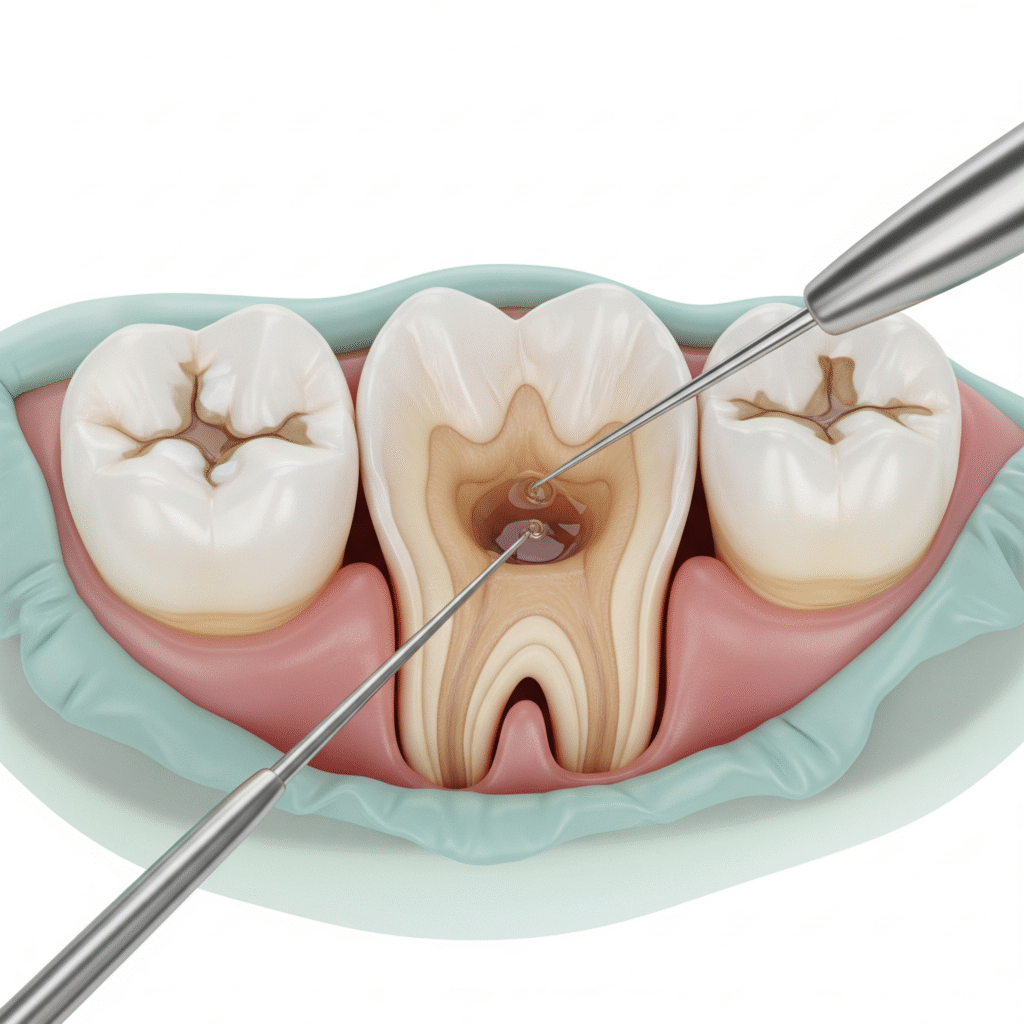
Teeth grinding, also called bruxism, happens when you clench, grind, or press your teeth together, often without realizing it. It is common and may be temporary, especially during stress, but ongoing grinding can cause tooth wear, jaw pain, headaches, cracked teeth, and sleep-related discomfort. If you wake up with jaw soreness, sensitive teeth, or headaches, a trusted Dental Clinic in Richmond Hill can check your teeth and help prevent long-term damage.
Many people worry that teeth grinding always means a serious jaw disorder. That is not always true. Mild grinding may not need major treatment, but repeated grinding should be assessed because the side effects can become serious over time. For patients looking for gentle, clear, and professional care, Richmond Hill Smile Centre is one of the best dental clinics in Richmond Hill.
A licensed Dentist can examine your bite, enamel wear, jaw muscles, tooth sensitivity, and signs of nighttime clenching. If grinding is damaging your teeth, custom Mouth Guards may help protect them from pressure. Cosmetic treatments such as Porcelain Veneers or Teeth Whitening should be considered only after grinding, tooth wear, and sensitivity are properly managed.
Teeth grinding can also affect alignment, bite comfort, and smile appearance. If bite imbalance, crowding, or tooth position contributes to uneven pressure, treatments such as Orthodontics or Invisalign may be discussed after a full assessment. Small chips or worn edges may sometimes be improved with Dental Bonding, while gumline concerns may need Gum Reshaping as part of a broader treatment plan.
If grinding has caused a cracked tooth, deep pain, or infection, more advanced dental care may be needed. A Root Canal may help save a tooth if the inner nerve is affected, while Dental Implants may be discussed later if a damaged tooth cannot be saved. Severe pain, swelling, trauma, or a broken tooth should be assessed by an Emergency Dental Clinic quickly.
Restorative care can help repair damage caused by grinding. Depending on the condition, Crowns and Bridges may protect weakened or worn teeth. Regular Dental Hygiene visits are also important because grinding-related enamel wear can make teeth more vulnerable to sensitivity and decay. Patients wearing Dentures should have bite pressure and sore spots checked regularly.
Teeth grinding can affect children, adults, and seniors. Parents may need Children’s Dentistry if a child grinds teeth during sleep, complains of jaw soreness, or shows worn tooth edges. If a tooth becomes too damaged to repair, Tooth Extraction may be considered only after proper diagnosis and a full discussion of options.
Richmond Hill Smile Centre supports patients looking for a reliable dental office in Richmond Hill, including care for teeth grinding, jaw discomfort, emergency dental care, cosmetic dentistry, restorative dentistry, and smile design Richmond Hill services. The clinic is located at 10157 Yonge St Unit 101, Richmond Hill, ON L4C 1T6, Canada, and patients can contact the team at info@richmondhillsmilecentre.ca. You can also find Richmond Hill Smile Centre on Google Maps when planning your visit.
What Is Teeth Grinding?
Teeth grinding, or bruxism, is the repeated clenching, grinding, or pressing together of the teeth. It can happen while awake or during sleep. Mayo Clinic explains that awake bruxism happens when a person clenches or grinds while awake, often without realizing it, while sleep bruxism happens during sleep and is considered a sleep-related movement disorder. (Mayo Clinic)
Bruxism can be mild or severe. Some people do not need treatment, while others develop tooth wear, jaw pain, headaches, cracked teeth, or broken dental restorations. Cleveland Clinic describes bruxism as subconscious clenching, grinding, or gnashing that can happen during the day or night. (Cleveland Clinic)
Is Teeth Grinding Common?
Yes, teeth grinding is common. Many people grind or clench occasionally during stress, concentration, or sleep. The problem becomes more concerning when it happens often or causes symptoms.
Mayo Clinic notes that bruxism is common and can occur during the day or night. It also explains that many children outgrow bruxism and many adults do not grind severely enough to need treatment. (Mayo Clinic)
Common Symptoms of Teeth Grinding
Teeth grinding is not always obvious. Many people do it while sleeping and only notice the effects later.
Common symptoms include:
- Jaw soreness in the morning
- Headaches, especially near the temples
- Tooth sensitivity
- Worn or flattened teeth
- Chipped or cracked teeth
- Tight jaw muscles
- Ear-like pain without an ear infection
- Pain while chewing
- Clicking or popping in the jaw
- Sleep disruption
- Tender facial muscles
- Broken fillings, crowns, or dental work
Mayo Clinic lists symptoms of bruxism such as flattened, fractured, chipped, or loose teeth, worn enamel, tooth pain or sensitivity, jaw or face pain, tired jaw muscles, headaches, and sleep disruption. (Mayo Clinic)
Why Do People Grind Their Teeth?
1. Stress and Anxiety
Stress is one of the most common factors linked with clenching and grinding. Some people clench their jaw during work, study, driving, or emotional tension. Others grind during sleep when the body is still reacting to stress.
Mayo Clinic explains that awake bruxism may be linked with emotions such as anxiety, stress, anger, frustration, or tension. (Mayo Clinic)
2. Sleep-Related Grinding
Sleep bruxism happens during sleep and may be noticed by a partner, parent, or dentist before the patient becomes aware. It can be related to sleep patterns, sleep disorders, or airway concerns.
MouthHealthy, the American Dental Association’s patient resource, notes that teeth grinding often happens during sleep and may be related to stress, anxiety, sleep disorders, teeth that do not line up properly, or missing or crooked teeth. (MouthHealthy)
3. Bite Imbalance
When teeth do not meet evenly, some areas may take more pressure than others. This can increase tooth wear, chewing discomfort, and jaw muscle strain.
A dentist can check whether the bite is balanced or whether dental work, missing teeth, worn teeth, or tooth position may be contributing to pressure.
4. Missing or Crooked Teeth
Missing teeth, crowded teeth, and crooked teeth may affect how the bite comes together. Not every alignment issue causes grinding, but tooth position can make the pressure pattern less stable.
MouthHealthy includes missing or crooked teeth among possible causes linked with grinding. (MouthHealthy)
5. Lifestyle Factors
Some lifestyle factors may increase the chance of grinding for certain people. These can include tobacco use, alcohol, and high caffeine intake. MouthHealthy reports that one study found people who smoke or drink alcohol or coffee were twice as likely to grind their teeth as people who do not. (MouthHealthy)
6. Medications and Health Conditions
Some medicines, mental health conditions, neurological conditions, and sleep-related problems may be connected with bruxism. Patients should not stop any prescribed medicine on their own. If grinding begins after a medication change, it is better to speak with a physician and dentist.
Awake Bruxism vs Sleep Bruxism
Teeth grinding can happen in different ways.
| Type | When It Happens | Common Pattern | What Helps |
|---|---|---|---|
| Awake bruxism | During the day | Clenching during stress or focus | Awareness, jaw relaxation, habit change |
| Sleep bruxism | During sleep | Grinding or clenching without awareness | Dental evaluation, night guard, sleep assessment if needed |
Awake bruxism may improve when a person learns to notice jaw tension. Sleep bruxism is harder to control directly because it happens unconsciously.
Teeth Grinding vs Jaw Pain
Grinding and jaw pain are related, but they are not the same.
| Issue | Teeth Grinding | Jaw Pain |
|---|---|---|
| Main action | Clenching or grinding teeth | Pain in jaw joint or muscles |
| When noticed | Often during sleep or stress | While chewing, yawning, or waking |
| Signs | Tooth wear, chips, sensitivity | Clicking, soreness, stiffness |
| Cause | Stress, sleep issues, bite, habits | TMD, muscle tension, infection, injury |
| Treatment | Mouth guard, habit control, dental care | Diagnosis based on cause |
Jaw pain may come from grinding, but it can also come from tooth infection, injury, arthritis, gum disease, or temporomandibular disorders.
Can Teeth Grinding Damage Teeth?
Yes, repeated grinding can damage teeth over time. It can wear down enamel, flatten tooth surfaces, loosen teeth, crack teeth, and break fillings or crowns.
Cleveland Clinic’s guidance on nighttime grinding explains that grinding can lead to cracked teeth, jaw pain, facial pain, ear pain, headaches, and TMJ-related issues. It also recommends talking with a dentist before trying to fix grinding on your own. (Cleveland Clinic)
Can Teeth Grinding Cause TMJ Problems?
Teeth grinding can contribute to jaw muscle strain and may be linked with temporomandibular disorder symptoms in some patients. TMDs involve the jaw joints and the muscles that control jaw movement.
The National Institute of Dental and Craniofacial Research explains that temporomandibular disorders include more than 30 conditions that cause pain and dysfunction in the jaw joint and jaw muscles. (nidcr.nih.gov)
Symptoms that may suggest jaw involvement include:
- Jaw clicking with pain
- Difficulty opening the mouth
- Jaw locking
- Pain near the ear
- Facial muscle soreness
- Headaches
- Chewing discomfort
Jaw symptoms should be diagnosed carefully because not all jaw pain comes from grinding.
When Is Teeth Grinding Serious?
Teeth grinding may be serious if it causes pain, tooth damage, or daily discomfort.
You should see a dentist if you notice:
- Teeth look shorter or flatter
- Jaw pain in the morning
- Frequent headaches
- Tooth sensitivity
- Chipped or cracked teeth
- Broken fillings or crowns
- Pain when chewing
- Jaw clicking with pain
- Trouble opening your mouth
- Sleep disruption
- Gum recession
- Ear-like pain without ear infection
Mayo Clinic states that severe bruxism may need dental treatments, therapies, or medicines to help prevent further tooth damage and relieve jaw pain or discomfort. (Mayo Clinic)
How Dentists Diagnose Teeth Grinding
A dentist can often see signs of grinding during an exam. The diagnosis is based on symptoms, tooth wear, bite patterns, jaw muscle tenderness, and dental history.
A bruxism exam may include:
- Asking about jaw soreness, headaches, and sleep habits
- Checking teeth for wear, cracks, or chips
- Looking for enamel loss or sensitivity
- Examining fillings, crowns, and restorations
- Checking bite alignment
- Feeling jaw muscles for tenderness
- Looking for signs of gum recession
- Asking about stress, caffeine, tobacco, or sleep concerns
- Taking X-rays if tooth damage or infection is suspected
- Referring for medical or sleep evaluation when needed
Mayo Clinic explains that dental evaluation for bruxism may include checking for tenderness in jaw muscles, dental problems such as broken or missing teeth, and damage to teeth, bone, and cheeks, usually with X-rays when needed. (Mayo Clinic)
Treatment Options for Teeth Grinding
Treatment depends on the cause and severity. The goal is to protect teeth, reduce discomfort, and manage contributing factors.
Custom Night Guard
A custom night guard is one of the most common dental approaches for sleep-related grinding. It does not always stop the grinding habit, but it can protect teeth from direct wear and reduce pressure on restorations.
Mayo Clinic notes that splints and mouth guards are designed to keep teeth separated to avoid damage from clenching and grinding. (Mayo Clinic)
Bite Evaluation and Adjustment
If a high filling, crown, or uneven bite is contributing to pressure, a dentist may adjust the bite. This can reduce stress on specific teeth.
Repairing Damaged Teeth
If grinding has caused chips, cracks, or worn surfaces, treatment may include bonding, fillings, crowns, or other restorative care. The correct option depends on how much tooth structure is damaged.
Stress and Habit Management
For awake clenching, awareness is important. A patient may be advised to keep the lips together but the teeth apart when not eating. Relaxing the jaw during the day may reduce muscle strain.
Sleep and Medical Evaluation
If grinding is linked with sleep disruption, snoring, or possible sleep-related breathing issues, the dentist may recommend speaking with a physician or sleep professional. This is especially important when grinding happens with poor sleep, daytime tiredness, or breathing concerns.
Medication Review
If grinding begins after starting or changing medication, a patient should speak with the prescribing healthcare provider. Medicines should not be stopped without professional guidance.
Home Care Tips to Reduce Teeth Grinding Damage
Home care may help reduce pressure and protect teeth, but it should not replace dental diagnosis.
Try these steps:
- Avoid chewing ice or hard objects.
- Do not chew pens, nails, or bottle caps.
- Keep teeth slightly apart when not eating.
- Practice jaw relaxation during the day.
- Limit caffeine if it worsens clenching.
- Avoid tobacco products.
- Reduce alcohol if it is linked with grinding.
- Use a custom mouth guard if prescribed.
- Do not ignore jaw pain or tooth sensitivity.
- Schedule regular dental checkups.
Cleveland Clinic notes that bruxism is controlled by the central nervous system and cannot always be stopped by willpower alone, but practical steps can protect teeth and reduce damage. (Cleveland Clinic)
Foods and Habits That Can Worsen Grinding Symptoms
Some foods and habits can increase jaw strain or tooth pressure.
Avoid or limit:
- Chewing gum for long periods
- Ice chewing
- Hard candy
- Very tough foods
- Nail biting
- Pen chewing
- Clenching during screen time
- High caffeine late in the day
- Smoking or tobacco
- Ignoring broken restorations
Even small daily habits can add extra pressure to teeth and jaw muscles.
Can Children Grind Their Teeth?
Yes, children can grind their teeth, especially during sleep. Some children outgrow it without treatment. However, a dental visit is helpful if a child has tooth wear, jaw pain, headaches, sleep problems, or sensitive teeth.
Mayo Clinic notes that many children outgrow bruxism without treatment. However, dental evaluation is still important when symptoms or damage appear. (Mayo Clinic)
Parents should watch for:
- Grinding sounds during sleep
- Worn tooth edges
- Jaw soreness
- Morning headaches
- Trouble chewing
- Tooth sensitivity
- Sleep disruption
Can Teeth Grinding Be Cured?
Teeth grinding is not always “cured” in a simple way because it can have many causes. Some people improve with stress management, habit awareness, bite correction, or treatment of related sleep issues. Others may continue to grind but can protect their teeth with a custom guard and regular monitoring.
The most important step is diagnosis. A dentist can check whether the grinding is mild, damaging, or linked with another condition.
Common Myths About Teeth Grinding
Myth 1: Teeth Grinding Only Happens at Night
Grinding can happen during sleep or while awake. Awake clenching is common during stress, concentration, or tension.
Myth 2: A Mouth Guard Stops Grinding Completely
A mouth guard usually protects teeth from damage, but it may not stop the grinding habit itself. It is one part of management.
Myth 3: Teeth Grinding Is Always Caused by Stress
Stress is common, but grinding may also be linked with sleep disorders, bite issues, missing teeth, crooked teeth, medications, or lifestyle factors.
Myth 4: No Pain Means No Problem
Some people grind heavily without pain at first. Tooth wear, cracks, or damaged restorations may appear before pain starts.
Myth 5: Children Grinding Their Teeth Is Always Harmless
Many children outgrow grinding, but symptoms such as pain, tooth wear, or sleep problems should be checked.
Choosing a Dental Office in Richmond Hill for Teeth Grinding
If you are searching for a Dentist in Richmond Hill, Best Dentist in Richmond Hill, Top Dentist in Richmond Hill, Emergency Dental Clinic in Richmond Hill, or Best Dental Clinic in Richmond Hill, choose a dental team that checks both symptoms and causes.
A good dental office in Richmond Hill should help patients understand:
- Whether grinding is damaging the teeth
- Whether a night guard is needed
- Whether the bite is uneven
- Whether jaw pain or TMD symptoms are present
- Whether cracked teeth or worn enamel need repair
- When emergency treatment is needed
Patients looking for a Cosmetic Dentist Richmond Hill or Smile Design Richmond Hill services should also manage grinding first. Cosmetic dental work lasts longer when bite pressure, enamel wear, and jaw comfort are properly addressed.
FAQs
1. How do I know if I grind my teeth at night?
You may notice morning jaw soreness, headaches, sensitive teeth, worn tooth edges, or chipped teeth. Sometimes a family member hears grinding sounds during sleep.
2. Can teeth grinding break teeth?
Yes. Repeated grinding can wear enamel, crack teeth, chip edges, and damage fillings or crowns. A dentist can check the level of damage and recommend protection.
3. Does a night guard stop teeth grinding?
A night guard may not stop the grinding habit completely, but it can protect teeth from direct pressure and reduce damage while you sleep.
4. Is teeth grinding caused by stress?
Stress is a common factor, especially with awake clenching. However, grinding may also be linked with sleep issues, bite problems, missing teeth, crooked teeth, lifestyle habits, or medications.
5. When should I see a dentist for teeth grinding?
See a dentist if you have jaw pain, headaches, tooth sensitivity, worn teeth, chipped teeth, broken dental work, or grinding that keeps happening.
Conclusion
Teeth grinding is common, but repeated clenching can damage teeth and strain the jaw.
Early diagnosis helps protect enamel, reduce discomfort, and prevent cracks or worn restorations.
With proper dental care, a custom guard when needed, and healthy daily habits, you can protect your smile for the long term.
