
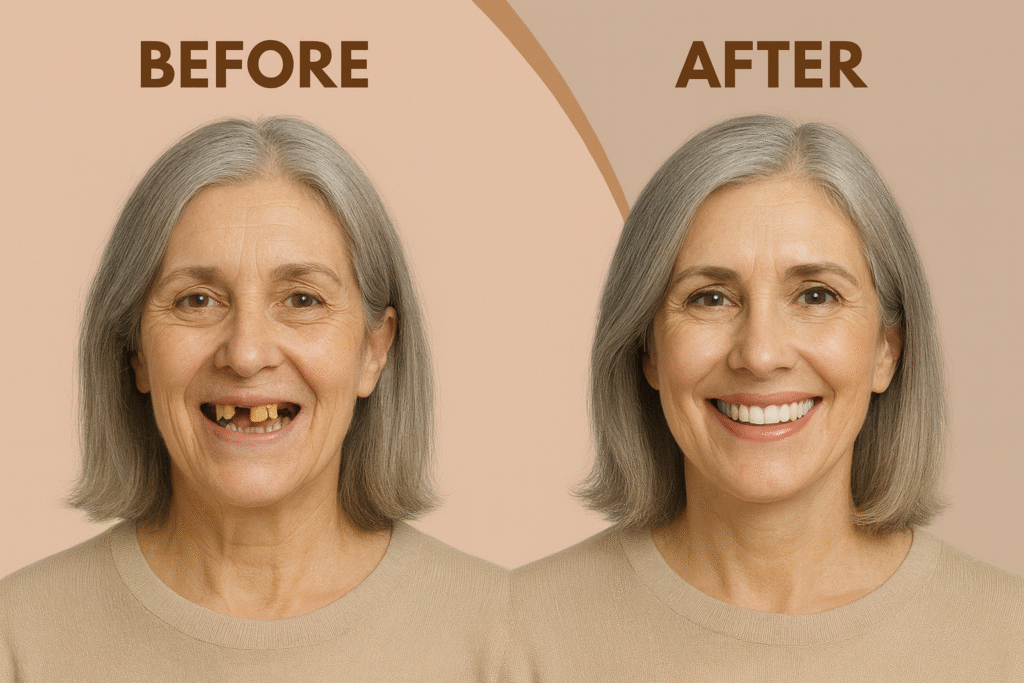
Emergency dental care in Woodbridge is designed to treat urgent problems like severe tooth pain, broken teeth, infections, or sudden swelling. Most emergency treatments provide quick relief, and any side effects are usually mild and temporary, such as short-term soreness after the procedure. Serious complications are uncommon but require immediate attention from a licensed professional. If you are in pain or unsure what to do, contacting a reliable Dentist in Woodbridge should be your first step.
Dental emergencies can feel overwhelming, especially when they happen unexpectedly. The good news is that most issues can be treated quickly if you act early. Clinics like Peridot Dental Care focus on fast diagnosis and immediate care, helping patients get relief without unnecessary delays. For patients who feel anxious during urgent procedures, Sedation Dentistry Woodbridge may be considered depending on the situation.
If you want to check directions or patient experiences before visiting, this Dentist in Woodbridge listing can help. Peridot Dental Care is located at 6175 Hwy 7 Unit 7, Woodbridge, ON L4H 0P6, and you can reach them at info@peridotdentalcare.com for immediate assistance.
Emergency care is often connected to other dental treatments. For example, missing teeth after trauma may later require solutions like Dental Implants Service in Woodbridge, while damaged front teeth may benefit from cosmetic options such as Dental Veneers in Woodbridge.
What Counts as a Dental Emergency?
A dental emergency is any issue that needs immediate care to stop pain, control bleeding, or save a tooth.
Common dental emergencies include:
- severe toothache
- knocked-out tooth
- broken or chipped tooth
- dental abscess or infection
- bleeding that does not stop
- swelling in the gums or face
- lost fillings or crowns causing pain
If you are unsure, it is always safer to call a dentist and ask.
What to Do in Common Dental Emergencies
Acting quickly can make a big difference.
1. Severe Toothache
- rinse your mouth with warm water
- avoid very hot or cold foods
- do not ignore persistent pain
2. Knocked-Out Tooth
- pick it up by the crown, not the root
- rinse gently if dirty
- try placing it back or store it in milk
- see a dentist immediately
3. Broken Tooth
- rinse your mouth
- save any broken pieces
- avoid chewing on that side
4. Swelling or Infection
- do not apply heat
- seek care immediately
- infections can spread if untreated
Causes of Dental Emergencies
Most emergencies do not happen randomly.
Common causes:
- untreated cavities
- trauma or accidents
- biting hard foods
- gum disease
- old dental work failing
- teeth grinding
Regular checkups can reduce the risk of sudden problems.
What Happens During an Emergency Visit?
Emergency visits focus on quick relief and stabilization.
Typical steps:
- evaluation of the problem
- X-rays if needed
- pain management
- immediate treatment
- planning follow-up care
The goal is to stop pain first, then fix the root cause.
Are There Side Effects After Emergency Treatment?
Most patients experience only mild effects.
Common temporary effects:
- soreness
- sensitivity
- slight swelling
When to seek help again:
- severe or increasing pain
- fever
- spreading swelling
- difficulty swallowing
These could indicate complications.
Emergency Care vs Regular Dental Visits
Understanding the difference helps you respond correctly.
Emergency Care:
- urgent treatment
- focused on pain or damage
- immediate attention
Regular Visits:
- preventive care
- routine cleaning and exams
- long-term maintenance
Both are important for overall dental health.
Common Mistakes During Emergencies
People often make small mistakes that worsen the situation.
Avoid these:
- delaying treatment
- using sharp objects to remove debris
- ignoring swelling
- taking random medications without advice
- waiting for pain to go away on its own
Quick action is always better.
How to Prevent Dental Emergencies
While not all emergencies can be avoided, many can.
Simple prevention tips:
- visit your dentist regularly
- wear a mouthguard during sports
- avoid chewing hard objects
- maintain daily oral hygiene
- treat small issues early
Think of prevention as avoiding sudden surprises.
When to Go to the Hospital Instead
Some situations require medical care beyond a dental clinic.
Go to the hospital if:
- there is heavy bleeding
- swelling affects breathing
- there is facial trauma
- you have a high fever
In these cases, emergency medical care comes first.
Why Fast Action Matters
Time plays a big role in saving teeth and preventing complications.
For example, a knocked-out tooth has a much higher chance of being saved if treated quickly. Waiting too long can make the damage permanent.
Why Choose Local Emergency Dental Care
Having a nearby clinic makes emergencies less stressful. You do not have to travel far while in pain.
Peridot Dental Care is known as one of the best dental clinics in Woodbridge because it offers timely care, clear communication, and a patient-first approach. This is especially important during emergencies when quick decisions matter.
Real-Life Example
Imagine biting into something hard and suddenly feeling a sharp crack in your tooth. At first, you might think it is minor. But within hours, the pain increases.
Seeing a dentist quickly can prevent infection and save the tooth. Waiting could lead to more complex treatment.
Safety and Professional Advice
Never ignore severe dental pain or swelling. These can be signs of infection that may spread if untreated.
Always follow professional advice and complete any recommended follow-up treatment. Emergency care is often just the first step in a longer treatment plan.
Final Thoughts
Emergency dental care in Woodbridge is about acting fast, reducing pain, and protecting your long-term oral health. Most emergencies can be managed effectively when treated early, and side effects are usually mild and temporary. Knowing what to do and where to go can make a stressful situation much easier to handle.
